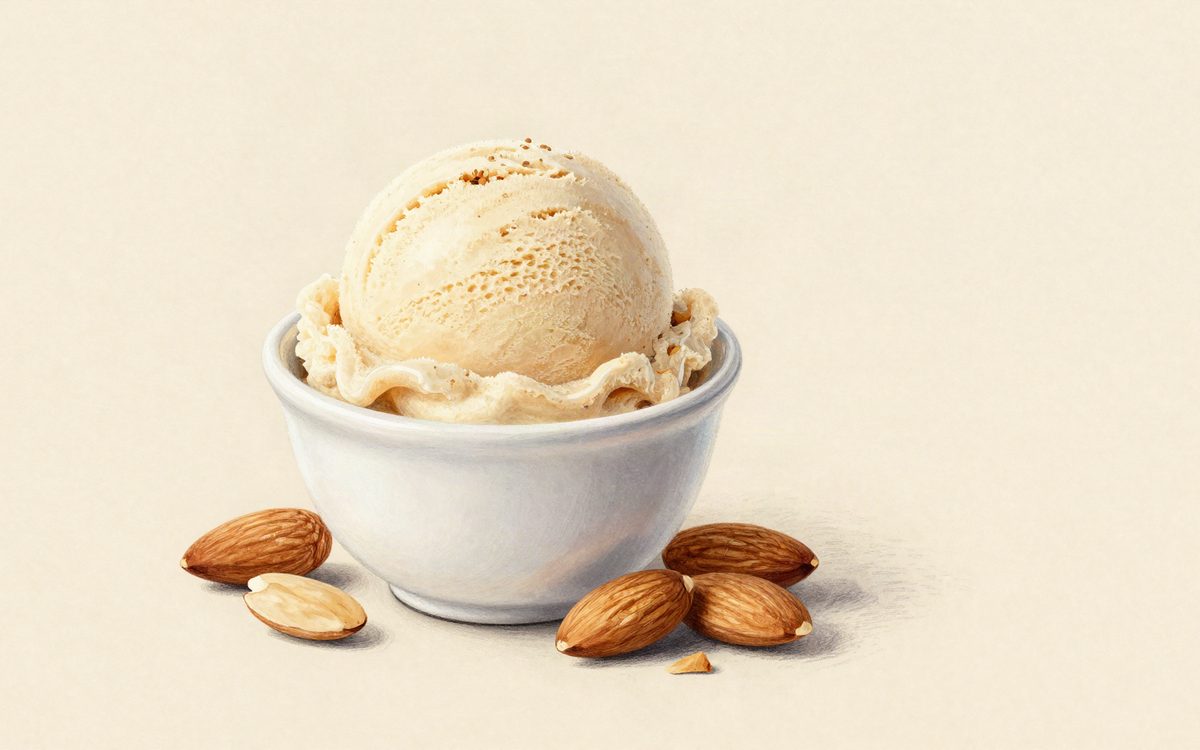
Milk Gelato13 h
Almond Gelato
Cold and smooth on the first spoon, then roasted almond opens up and holds, closing faintly bitter with a saline edge that stops the sweetness going flat.
Every recipe here is balanced to 1000 g and checked against the professional target range for its base type. The numbers are computed, not copied.
Each card is one flavour. The balanced recipe gives the grams and the full panel; the article, when there is one, explains why the formula works.
174 balanced recipes and 70 recipe articles
Calculators by base: Frozen yogurt calculatorVariegato calculatorVegan gelato calculatorBalancing ranges by base
Milk gelato is the classic base: milk, cream, sugars and skim milk powder balanced to 36 to 42% total solids. The flavour rides on the fat and the MSNF, so the scoop stays soft straight from a home freezer.
Cold and smooth on the first spoon, then roasted almond opens up and holds, closing faintly bitter with a saline edge that stops the sweetness going flat.
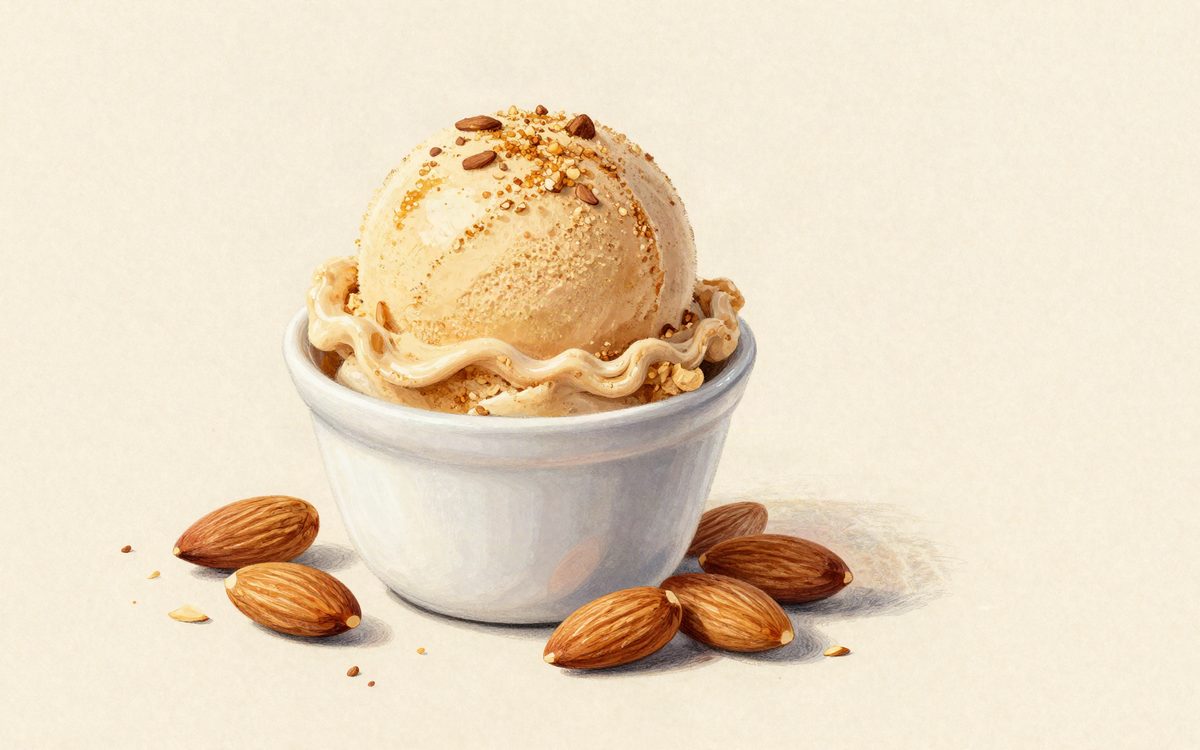
Halfway through the spoonful the toasted nut turns bittersweet, and the finish comes up dry where sugar would usually take over, all of it cold and close textured.
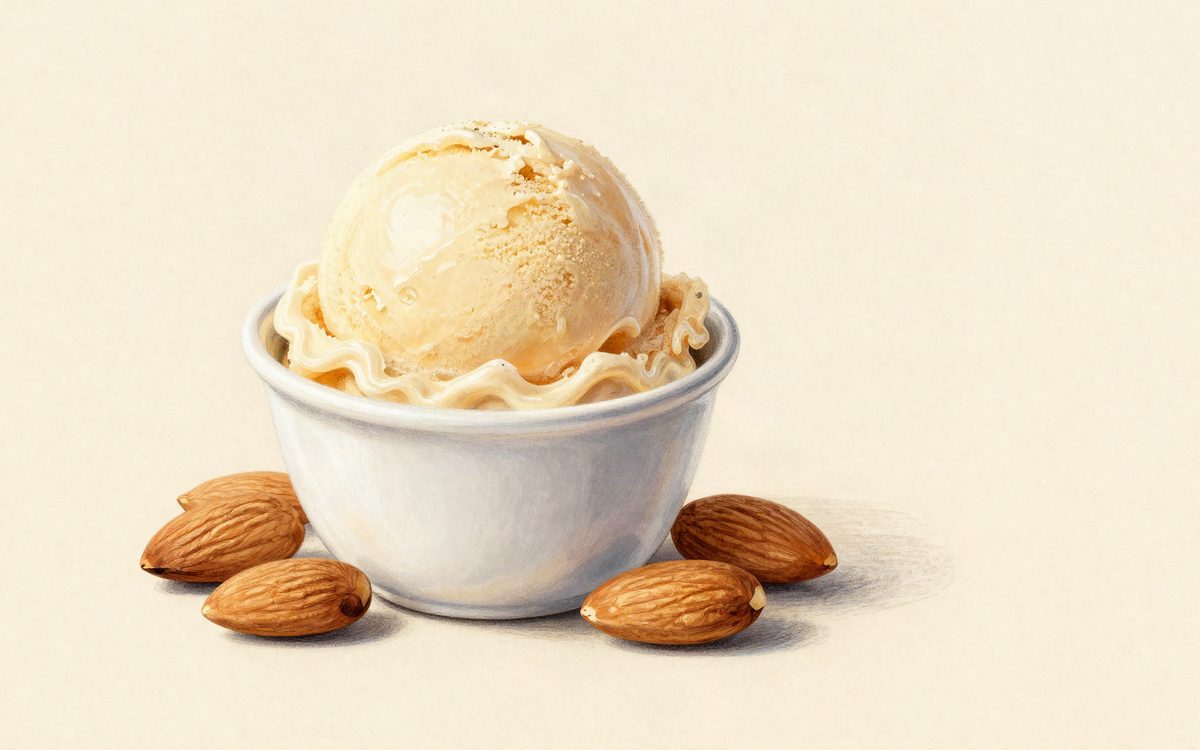
Cold and quiet on the first spoon, then the marzipan lift arrives, and what stays is an apricot-kernel bitterness that keeps the sweetness from turning cloying.
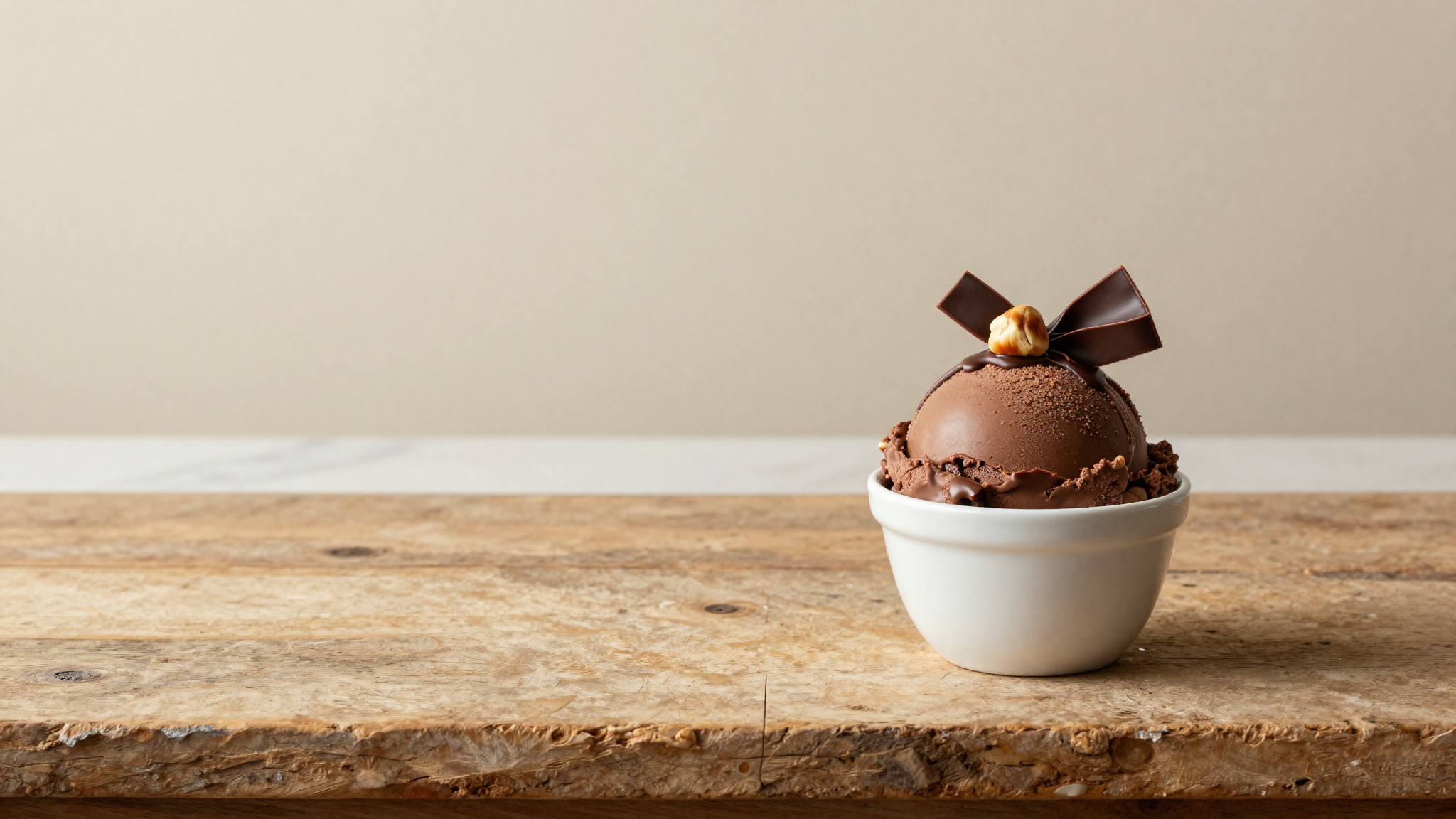
Roasted nuttiness arrives first and stays warm on the tongue, bitter cocoa signing underneath it, and the finish reads far closer to praline than to chocolate.
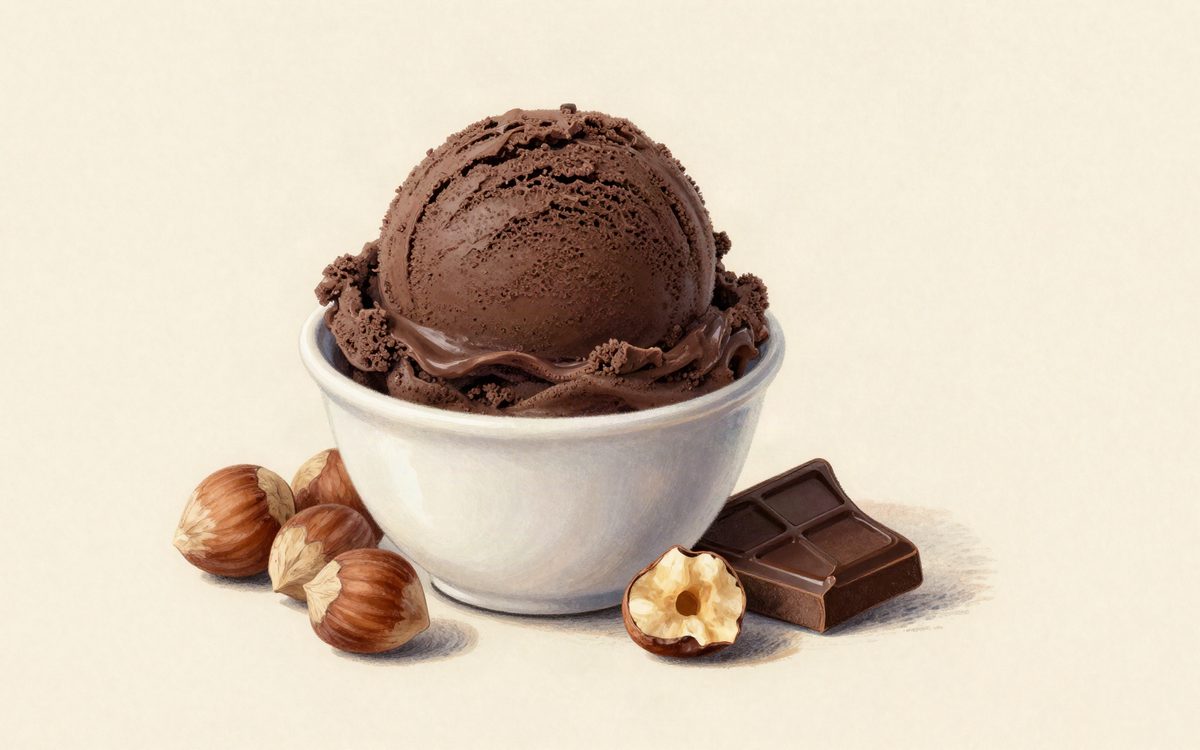
Heavier on the spoon than most, it leads with bitter cocoa and lets roasted hazelnut climb up underneath, closing toasted, faintly salted and long.
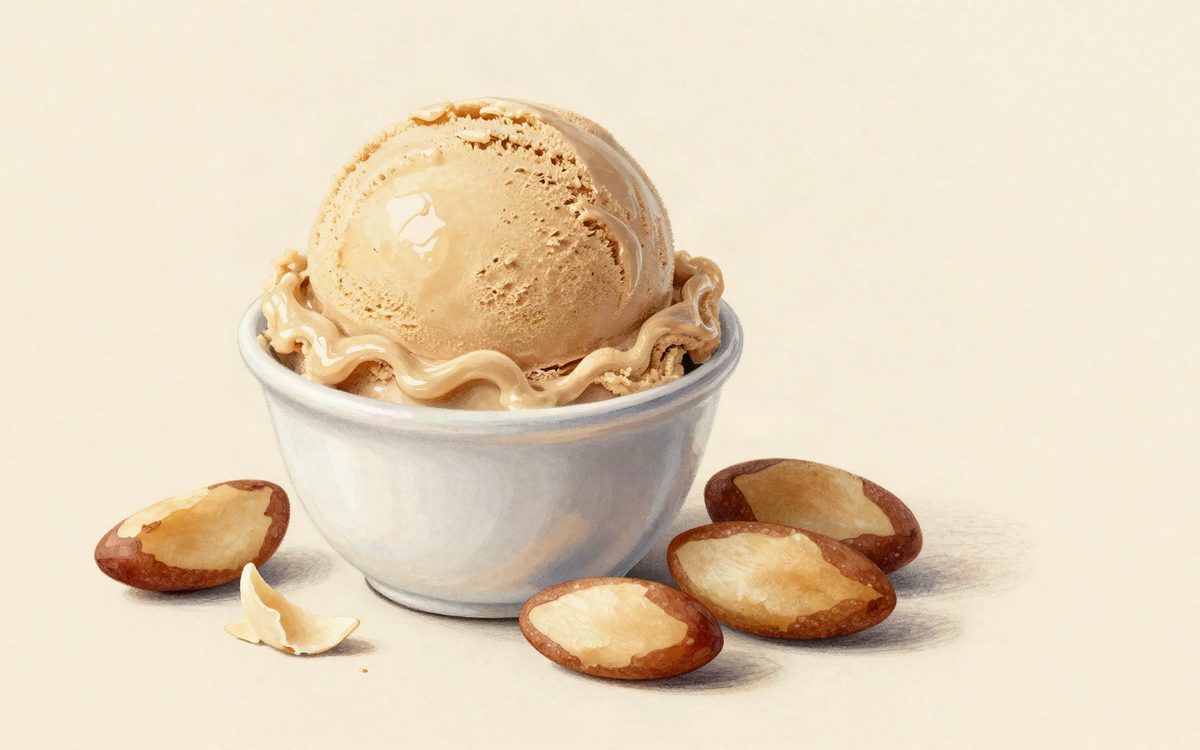
Rich and oily on the tongue, milky rather than sweet, with a faint sulphurous note behind the nut and a pinch of salt that keeps the finish clean.
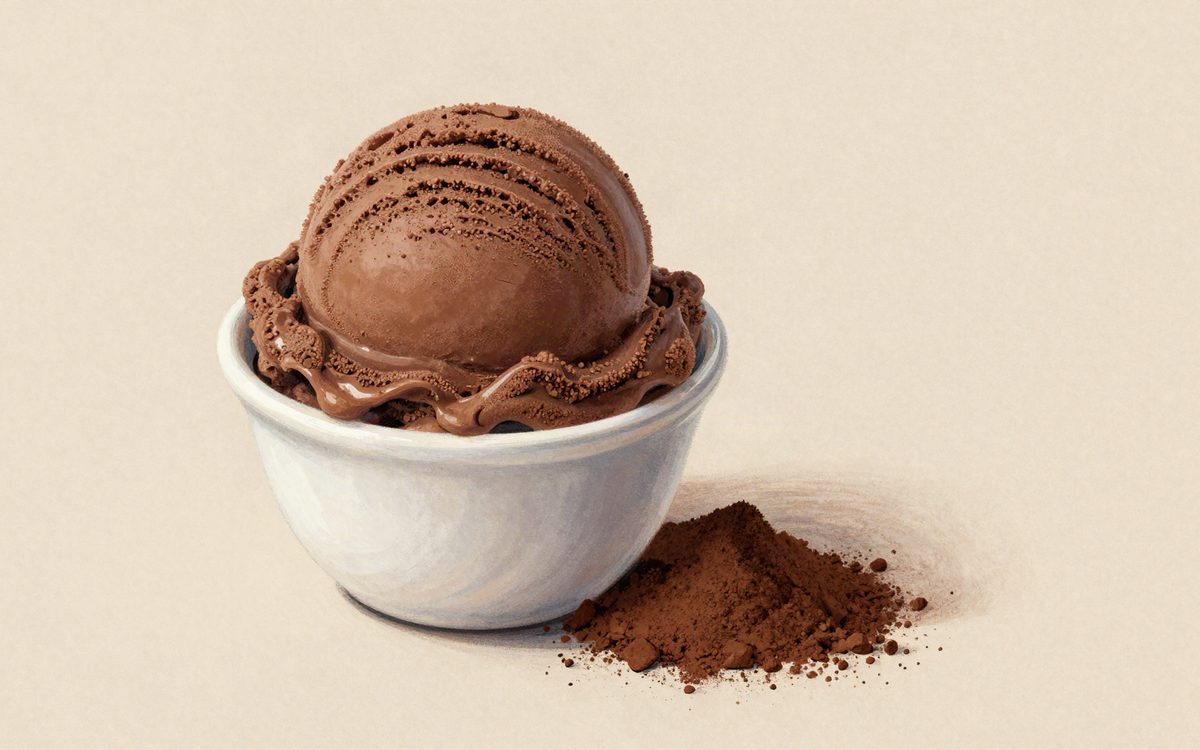
Softer and chewier than a plain chocolate scoop, it tastes of cooked milk first, then bitter cocoa, with a salt edge that stops the sweetness closing in.
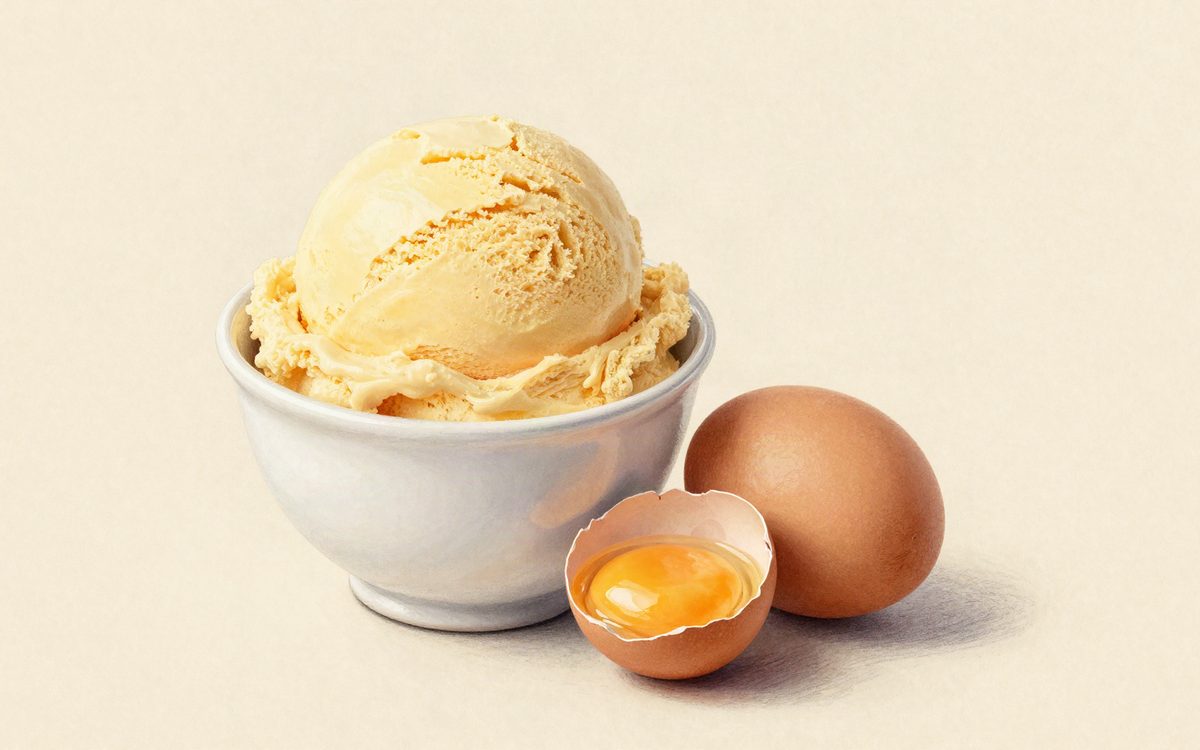
Thick and pale yellow on the spoon, tasting of cooked milk and egg, finishing clean because there is nothing perfumed standing in front of it.
What leads is the dairy: soft, almost foamed, sweet ahead of the roast, with bitterness turning up only at the finish and cinnamon sitting at the edge.
Warm spice arrives through the milk instead of sitting on top of it, the body is full and clean, and a cool resinous trail stays after the cold fades.
You taste the spice before you taste the sugar, cinnamon leading with nutmeg underneath, on a base thick enough to carry that warmth against the cold.
Thicker on the spoon than a nut gelato and drier on the finish, with a roasted sweetness that arrives late and holds, rounded out by vanilla and cream.
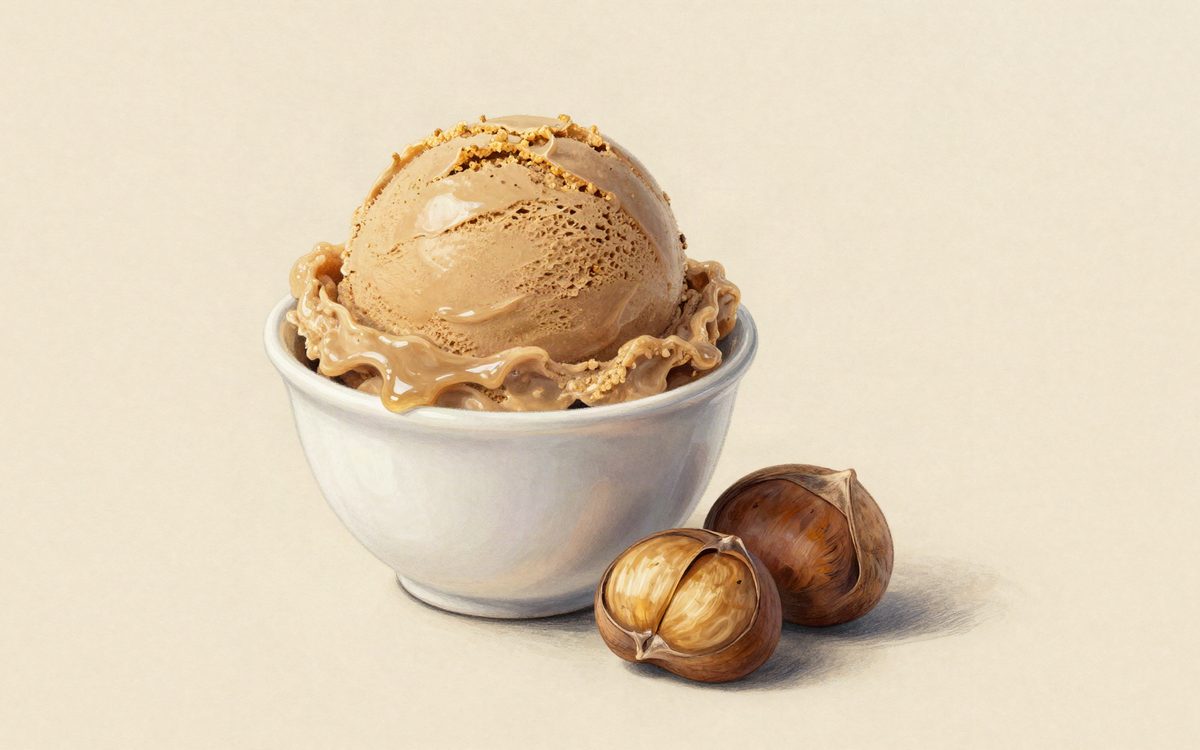
Dense and sweet on the tongue, cut across by a resinous honey bitterness, with a warm spirit lift that keeps the finish from turning sticky.
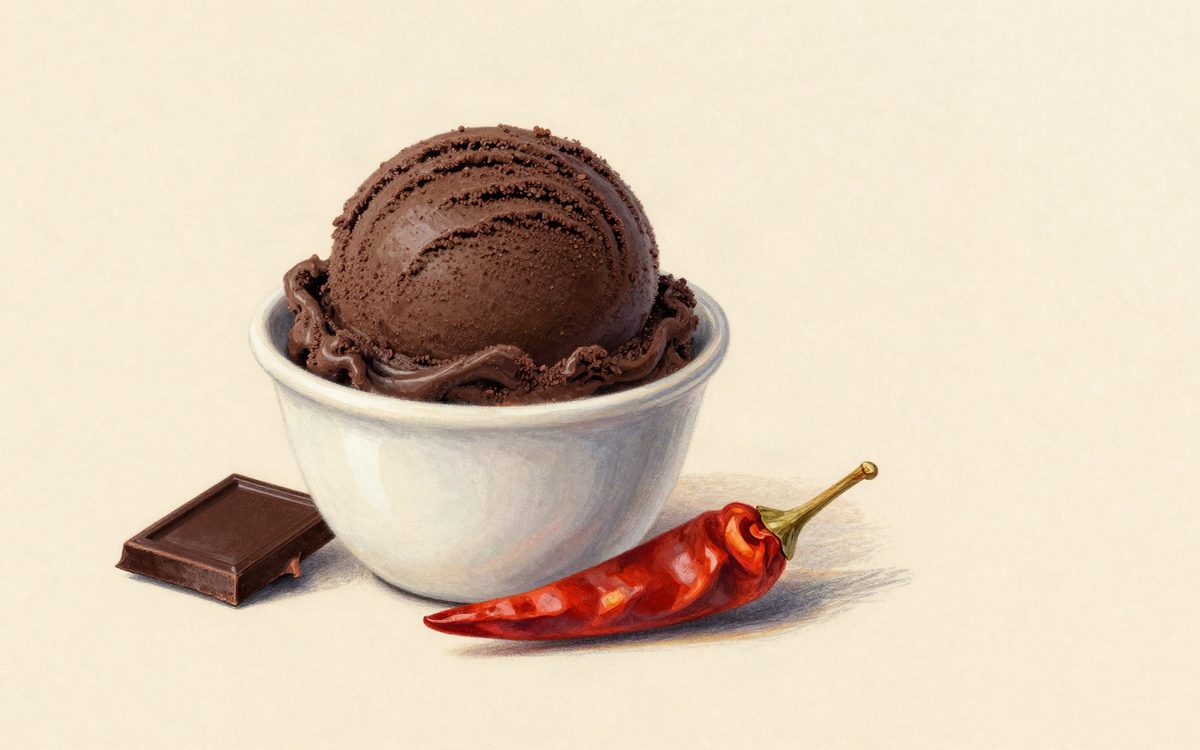
Bitterness lands first and sits low, then a slow warmth climbs the back of the throat, arriving after the cold has gone and staying well past it.
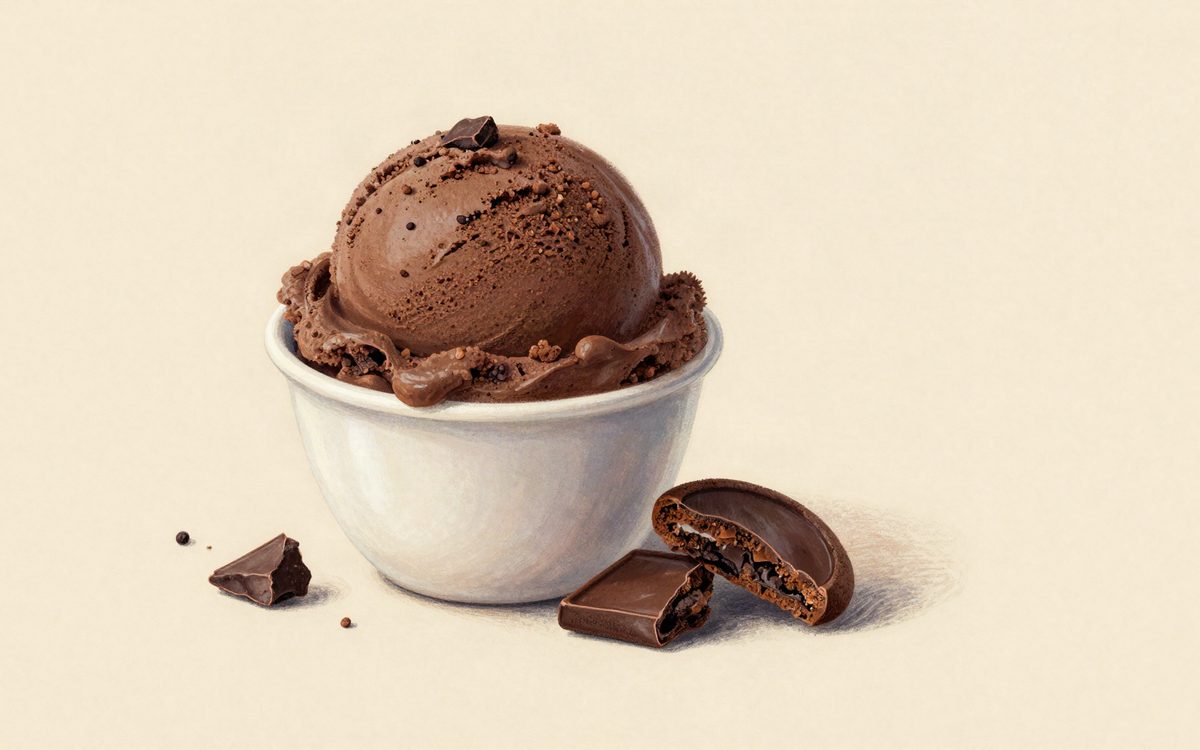
It eats darker than it looks, with dry baked crumbs that break between the teeth while everything around them melts soft and slow.
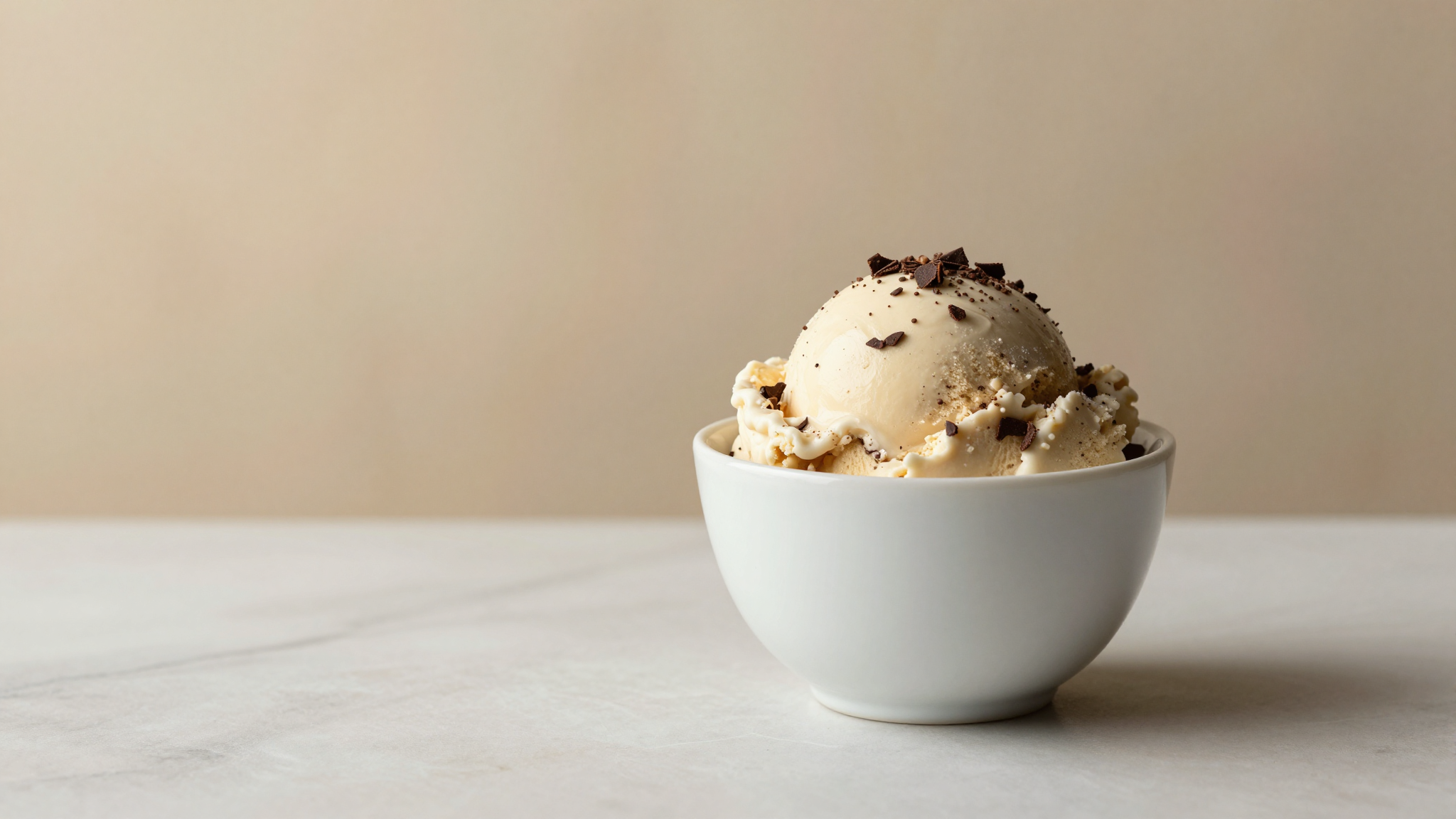
Each spoon breaks into small cold shards of dark chocolate against a rounded vanilla base, bitter and sweet arriving separately instead of blurring into one.
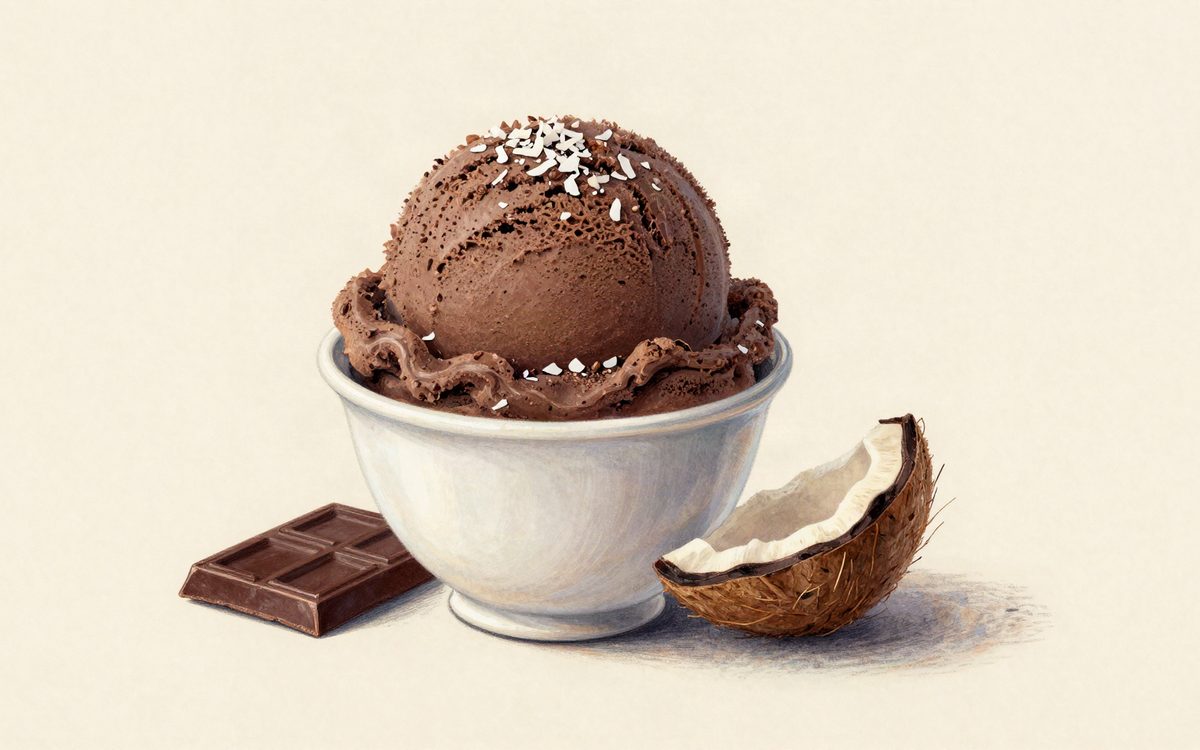
Bitterness leads, the fat rounds it off, and shreds of fruit stay chewy right through the cold, so the last thing on the tongue is not the cocoa.
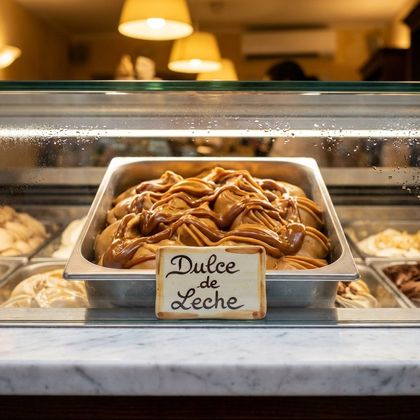
Warm, lactic caramel arrives ahead of everything else, and the cocoa settles in underneath it, dark enough to cut the sweetness without turning bitter.
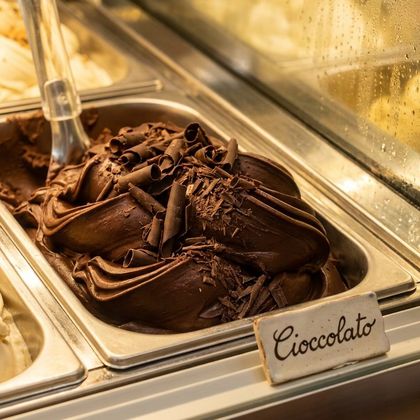
Expect bitterness before sweetness: dry, dark cocoa on the front of the tongue, then a slow fatty melt that carries the flavour on past the cold.
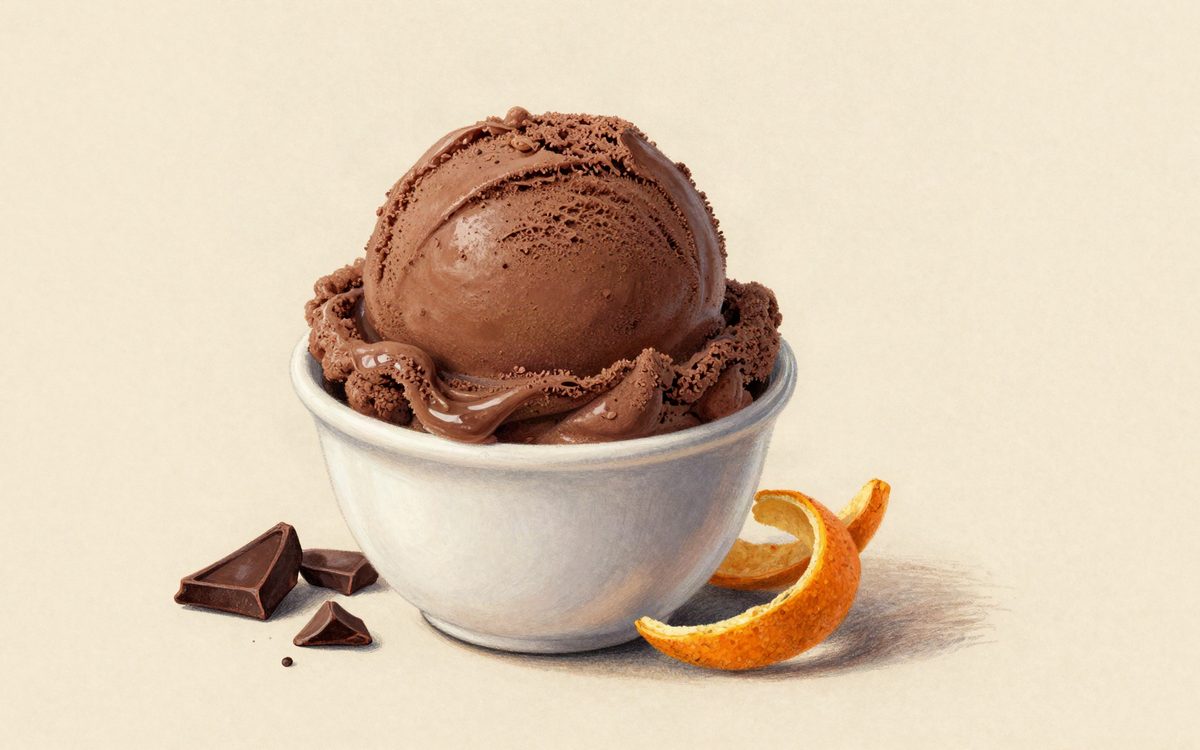
Dry and deep before it is sweet, with a citrus-oil lift riding over the top and a peel note that holds on well after the chocolate has faded.
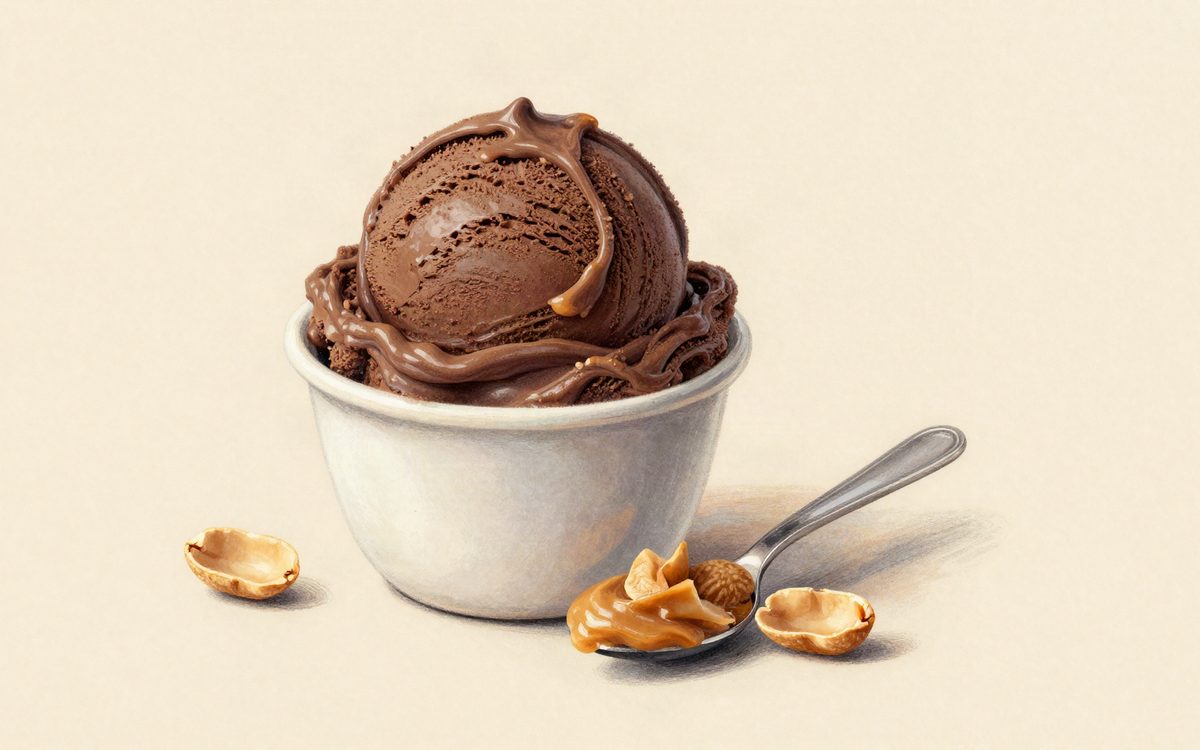
Roast and salt land first, chocolate closes in behind, and the body is thick without being rich, holding the nut on the tongue after the cold has gone.
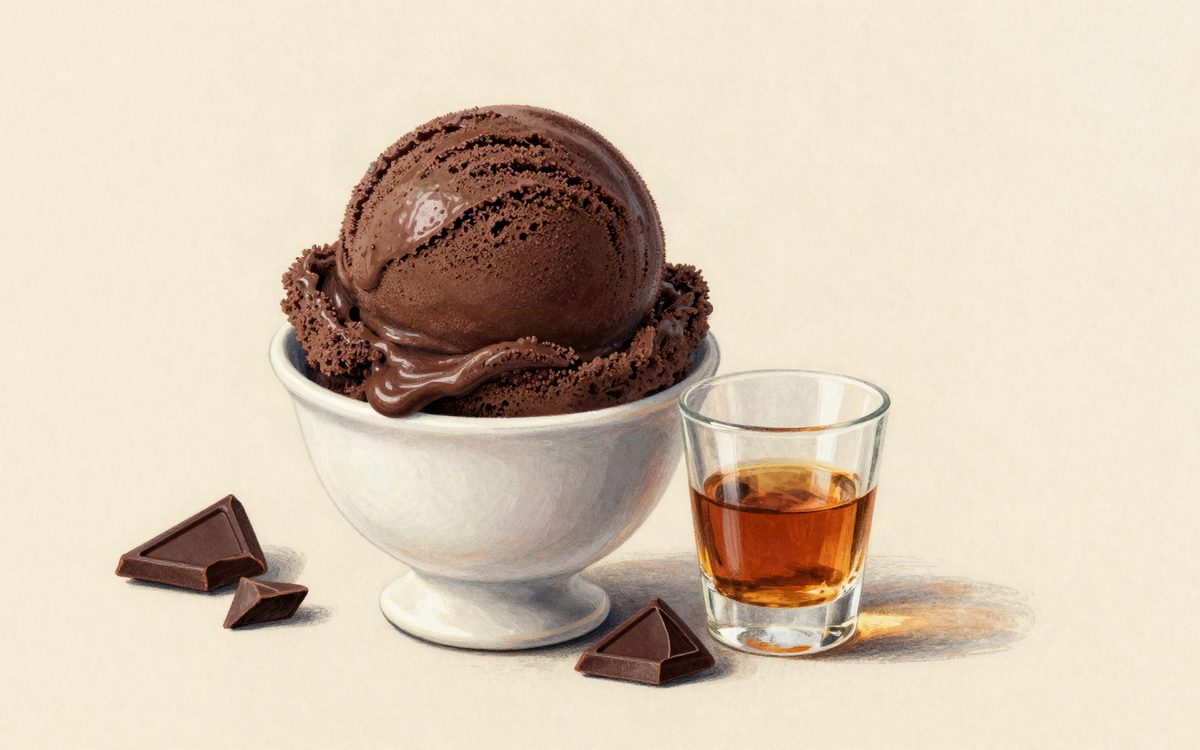
Dry cocoa bitterness lands first, then the warmth of the spirit rises behind it, molasses and vanilla, still there long after the cold has gone.
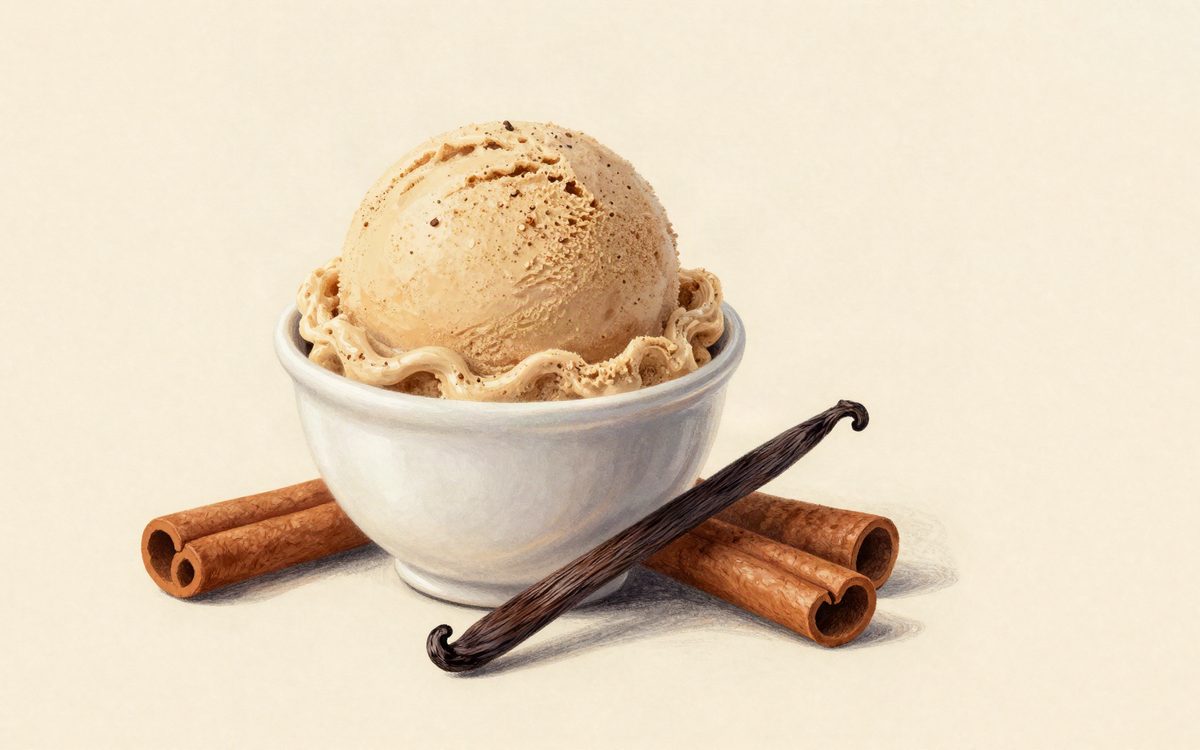
Warm spice blooms slowly through a rich dairy base, sweet at the front, faintly woody at the back, and it sits on the palate long after the cold has gone.
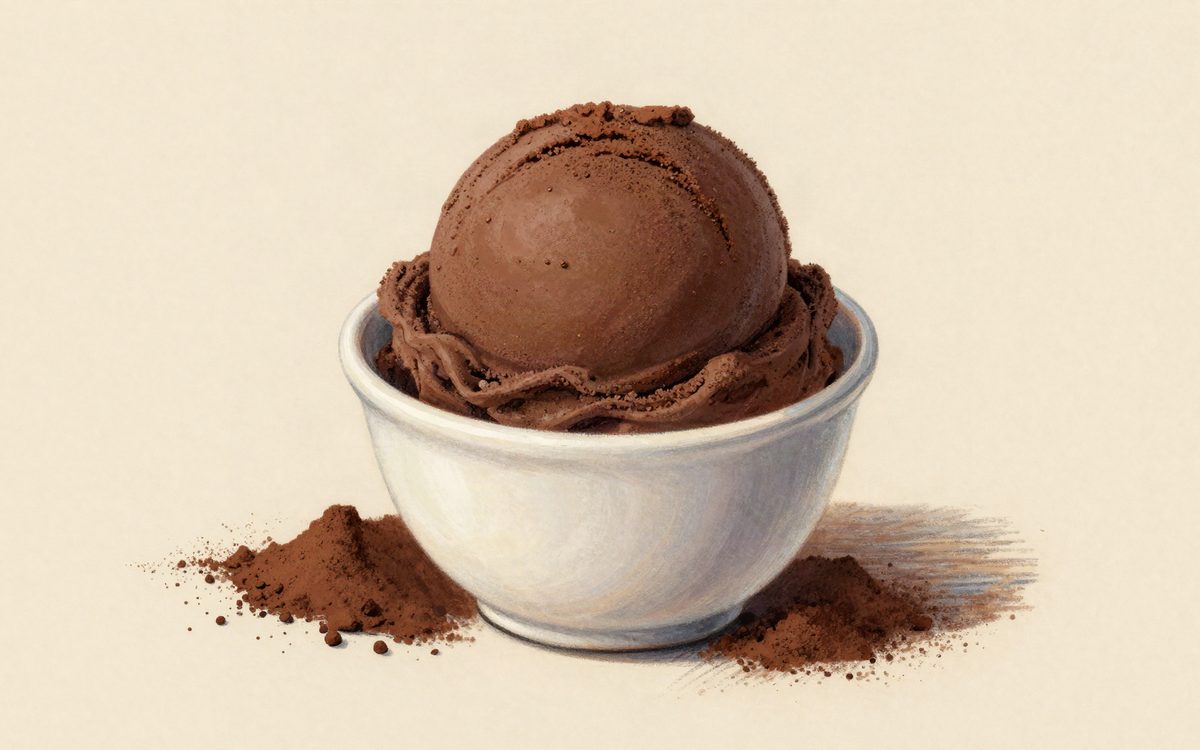
Bitterness up front with none of the roundness a bar would bring, dry and dark through the middle, and a cocoa finish that hangs on after the cold has gone.
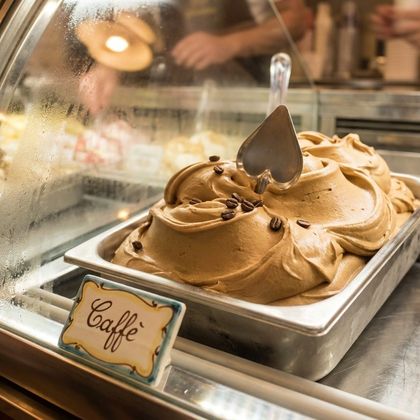
Roast bitterness arrives first, milk rounds it off a beat later, and what stays is the toasted, faintly smoky end of the cup instead of sweetness.
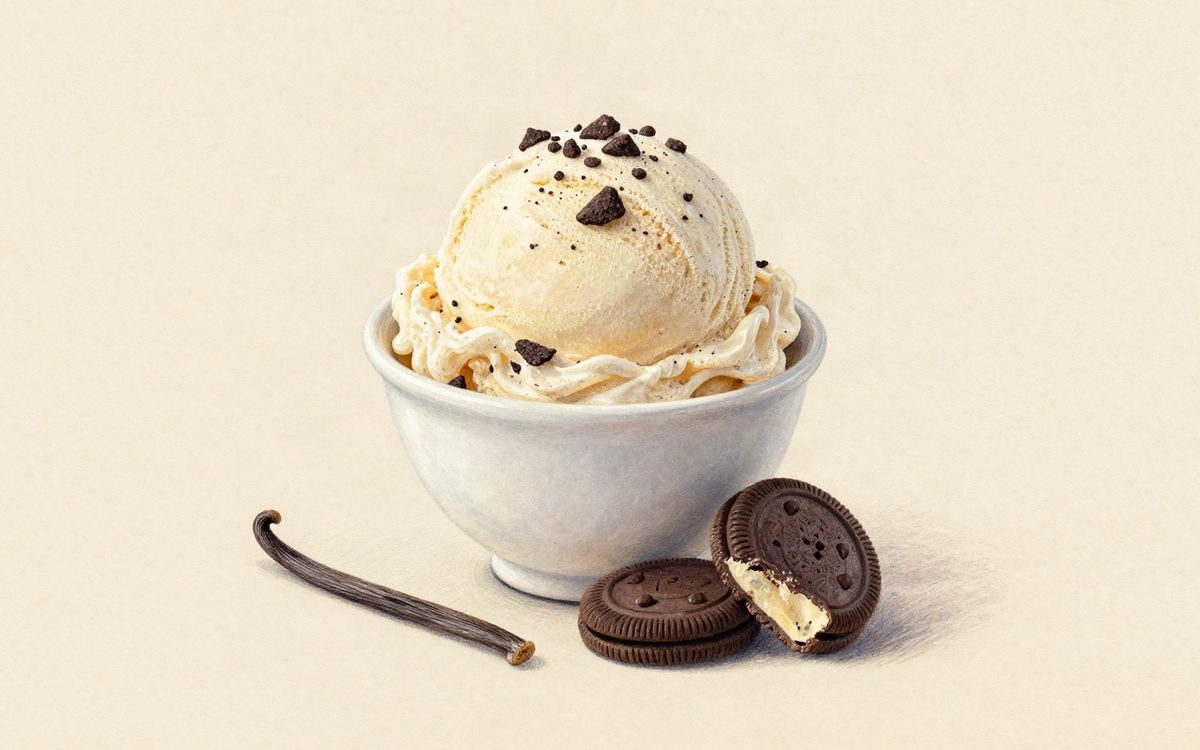
The crumb is the point here: dark, faintly bitter, softening on the tongue against a vanilla base that stays smooth from the first spoonful to the last.
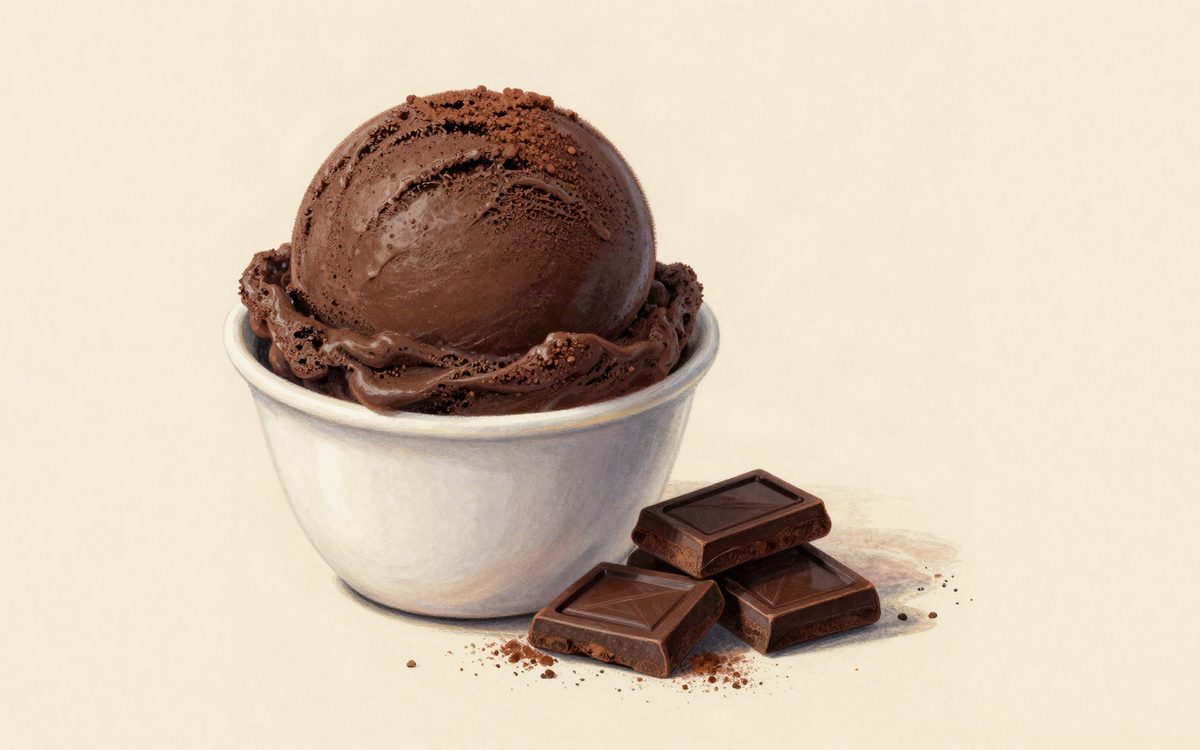
Every spoon lands thick without being greasy, bitter at the edges, and slow to fade, with cocoa still sitting in the mouth well after the chill.
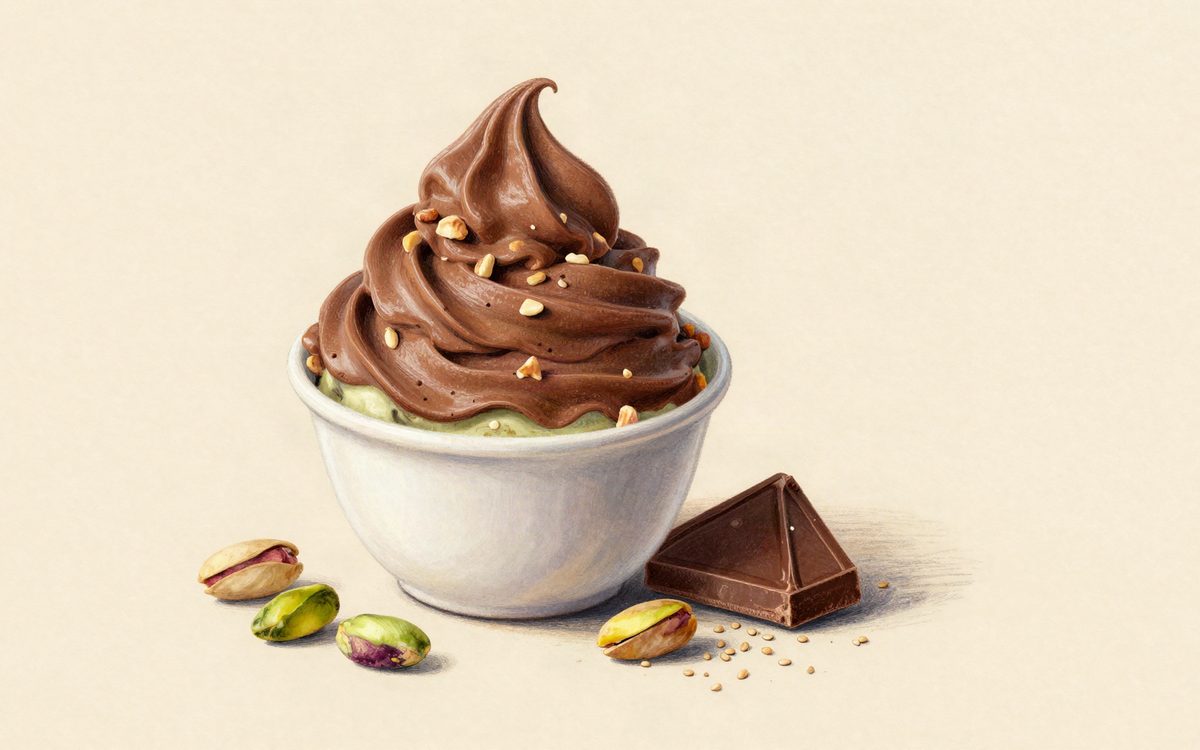
Roast comes first, sesame a step behind, and the pastry keeps snapping long after the cold has softened everything else on the spoon.
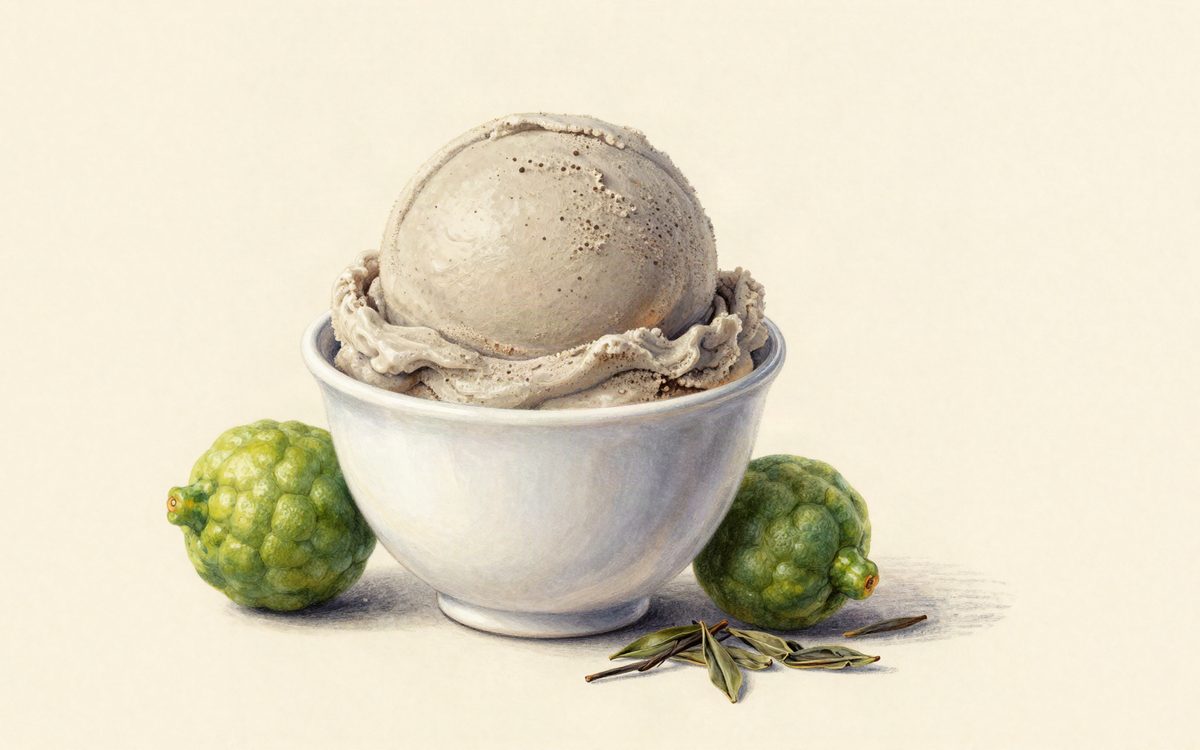
The perfume lands before the taste does: bergamot over cold cream first, then tea tannin closing in behind it and leaving the finish dry rather than sweet.
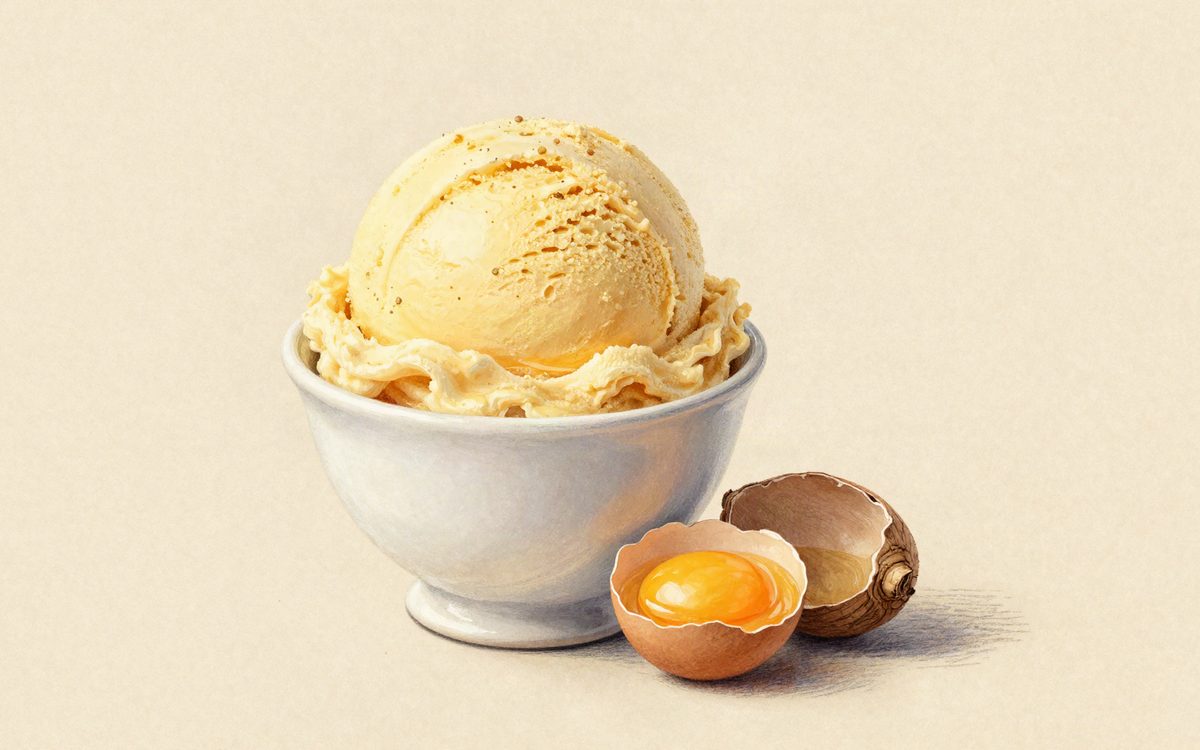
There is nutmeg on the nose and cold custard underneath, thick with yolk, and the rum only turns up at the end, warm against the chill.
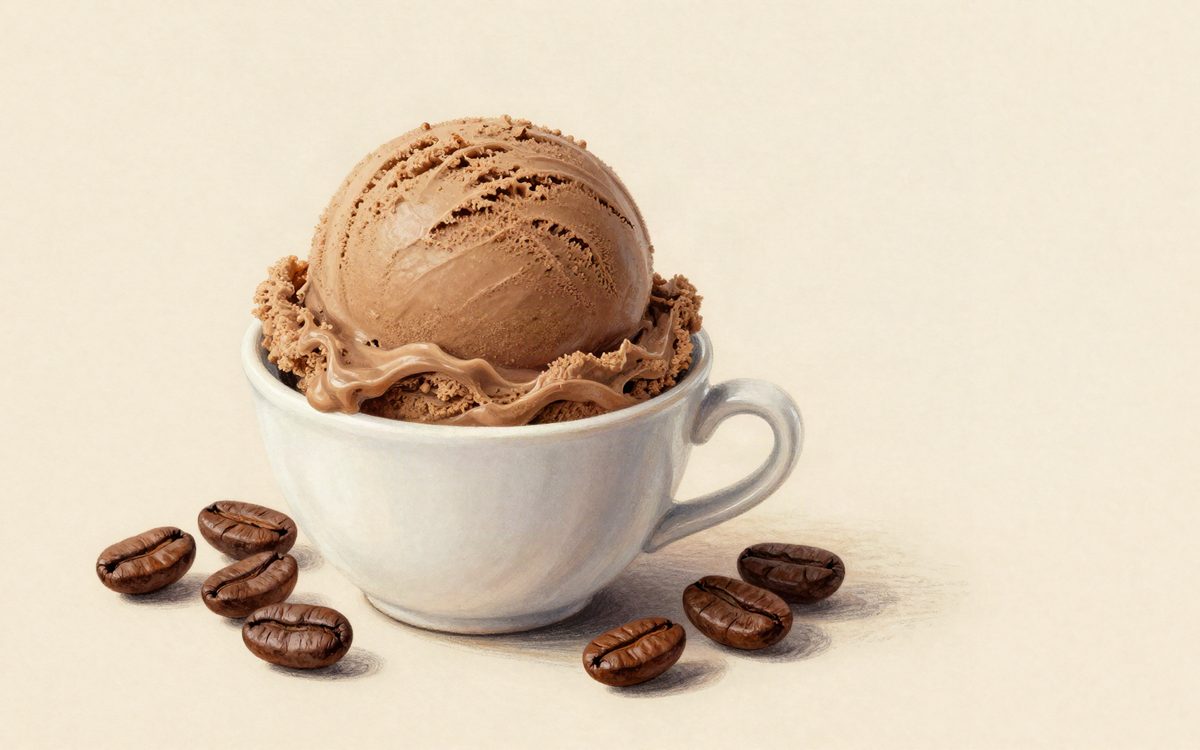
Roast bitterness comes through first, warm and dry, then the milk rounds it off, and what lingers is the finish an espresso leaves without the heat.
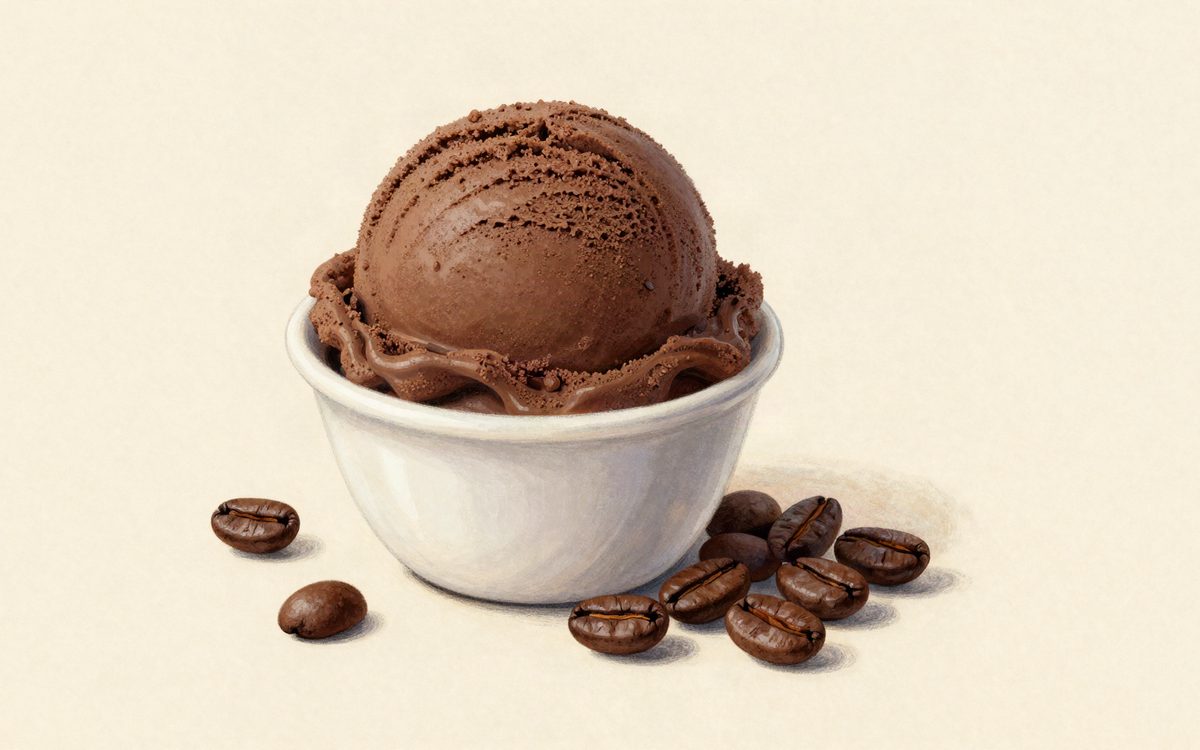
Lean where a coffee gelato is usually creamy, it hits bitter and bright at the same moment and keeps the roast going well past the last of the melt.
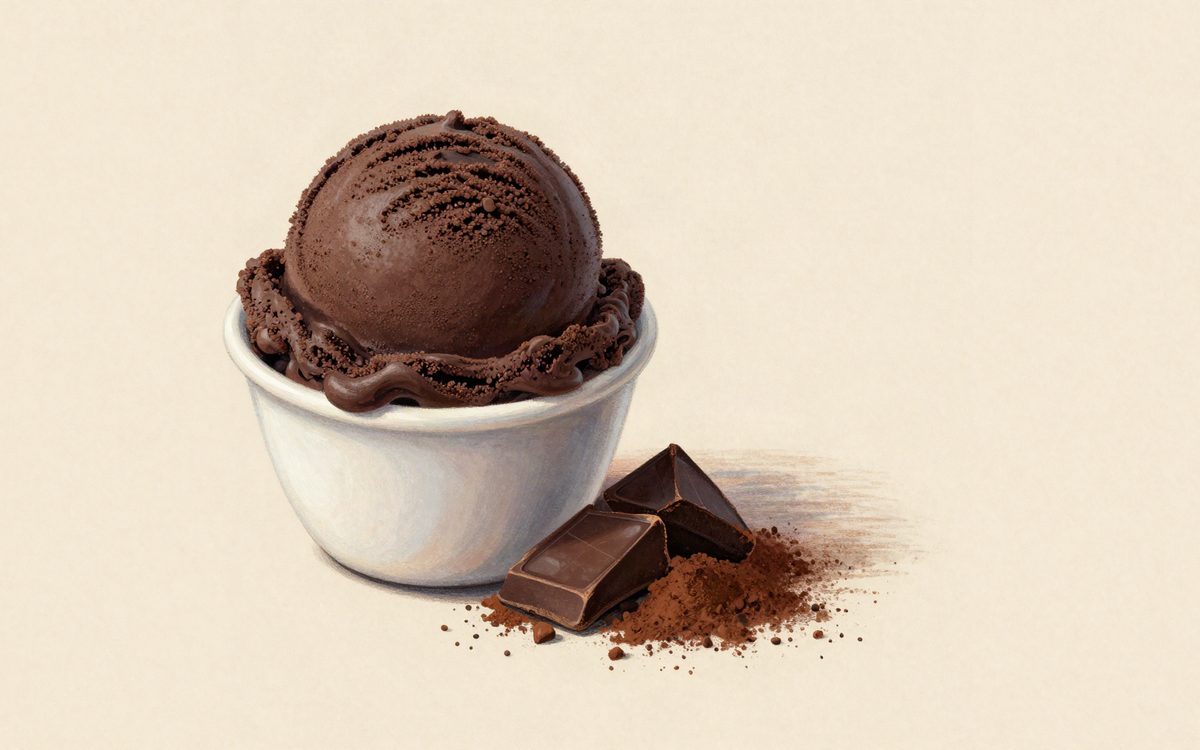
Dry and almost savoury at the front, it turns round in the middle as the milk sugars catch up, then finishes long and dark with nothing sweet chasing it.
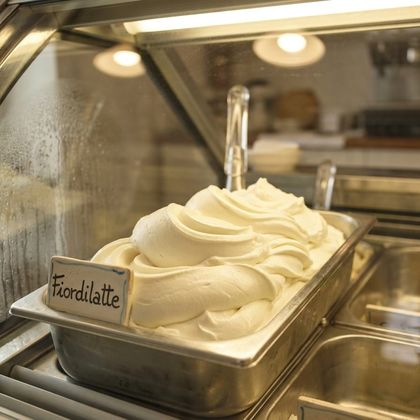
Plain cold dairy with nowhere to hide: dense on the spoon, gently sweet, carrying a whisper of salt that makes the milk read milkier before the finish clears.
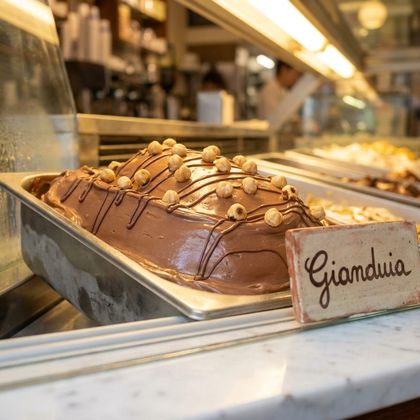
Expect roasted hazelnut in front and milk chocolate a step behind it, sweet, buttery and rounded, with the nut still there long after the spoonful is gone.
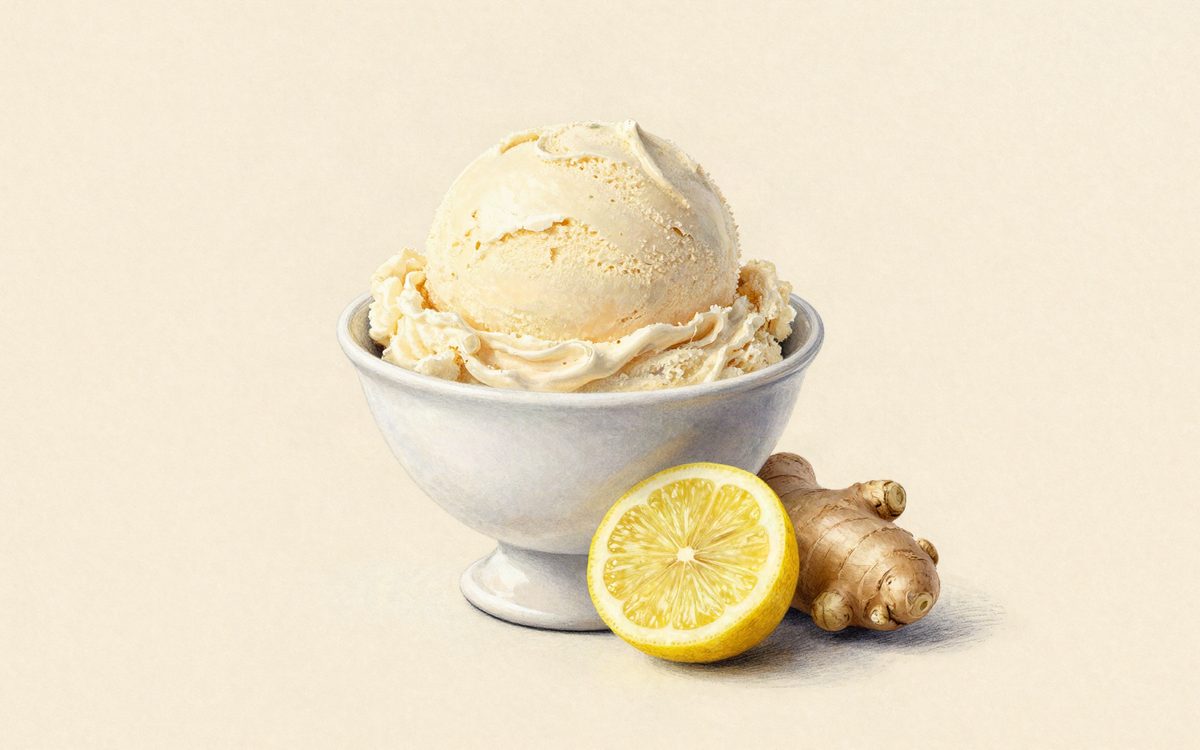
You taste the cold before the burn, and then the warmth climbs slowly at the back of the throat, kept bright by lemon instead of turning heavy.
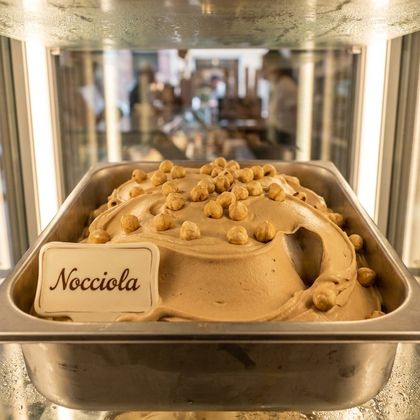
Toasted aroma arrives late and stays late, the body is round and warm, and the bite finishes short instead of coating the palate.
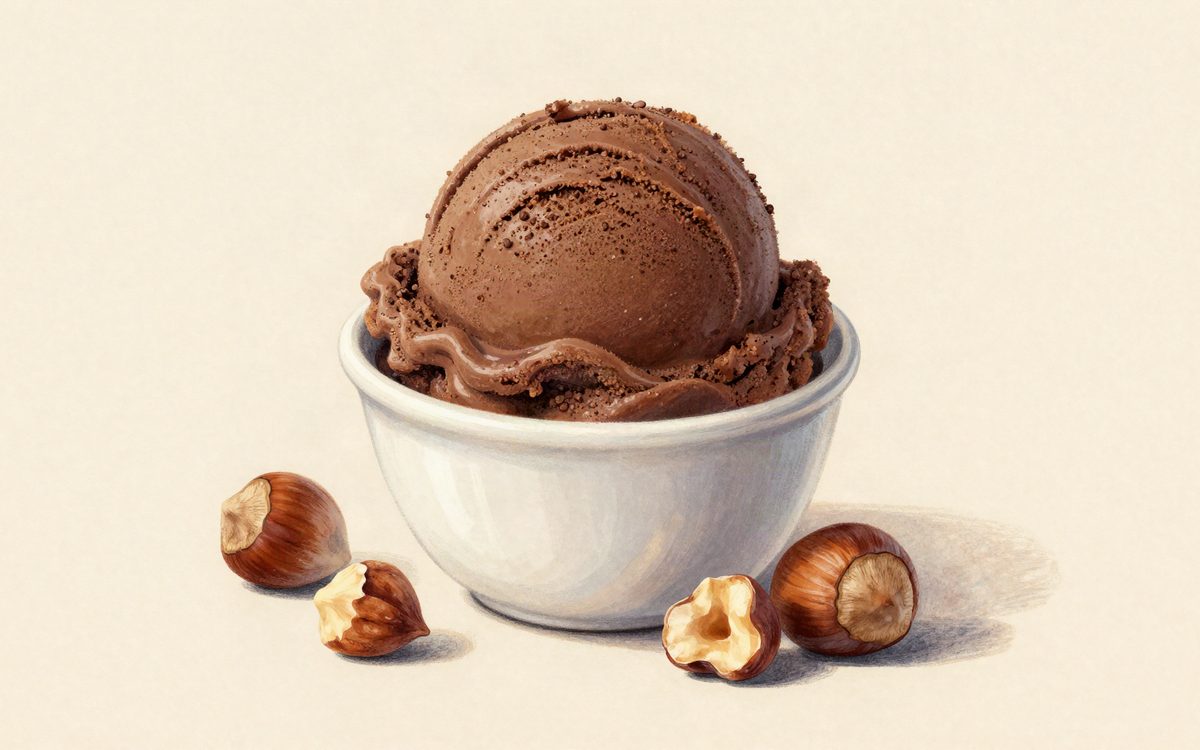
Roast arrives before sweetness, then a warm dark caramel note settles in and lingers well past the spoon, with salt keeping the finish clean instead of cloying.
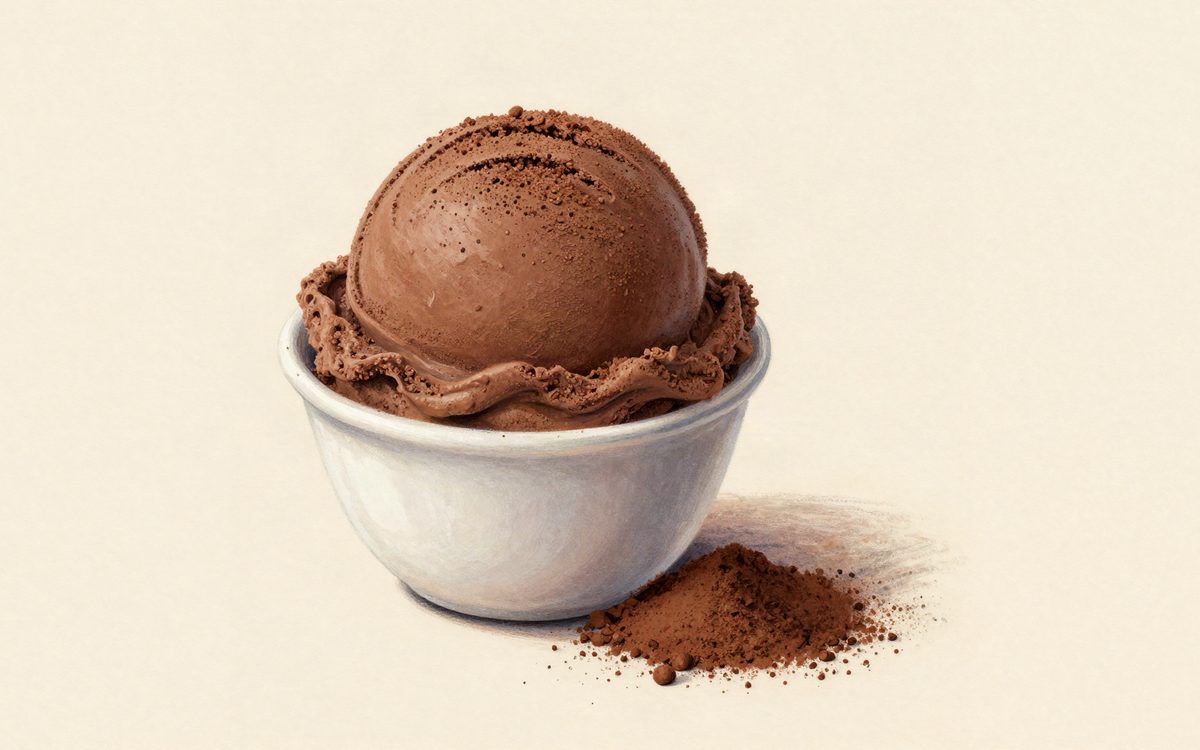
Resistance under the spoon comes first, then bitter cocoa well ahead of any sweetness, and a finish that stays smooth instead of drying to chalk.
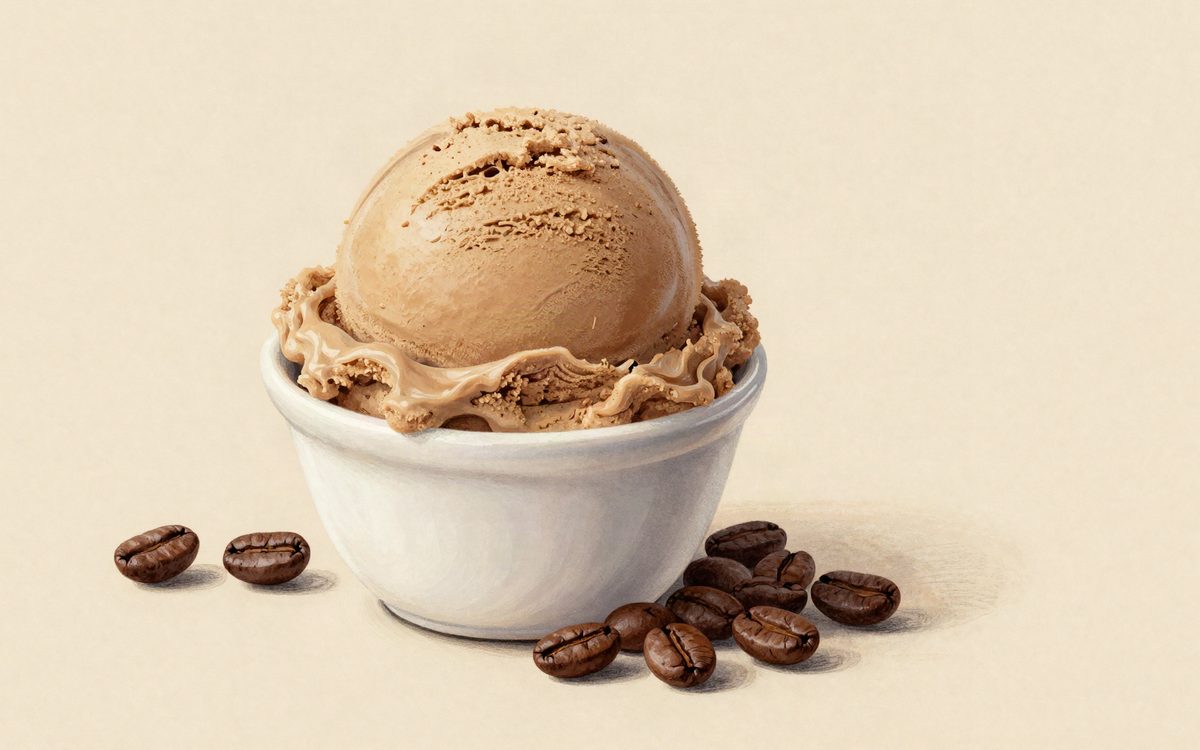
Where the ordinary version thins out, this one holds its body: roast and bitterness up front, a chewier scoop, and a finish that dries a touch.
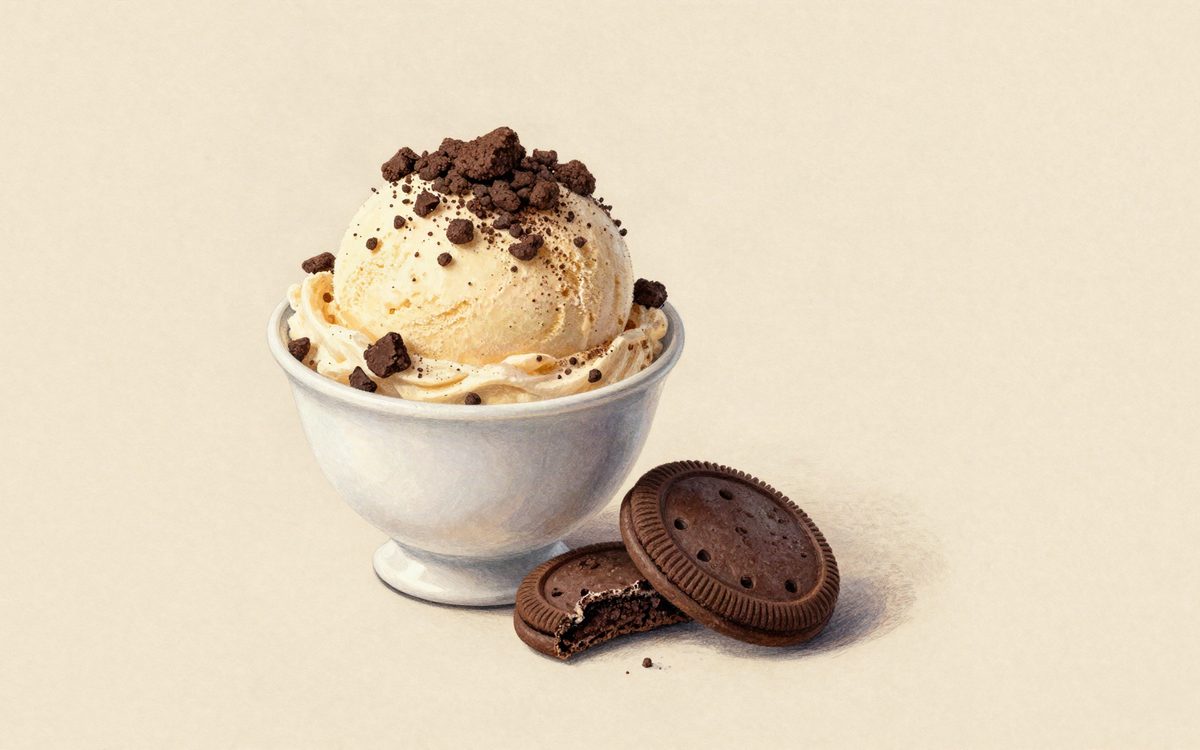
Sweet dairy reaches the palate first, then dark crumbs that soften instead of crunching, and a cocoa-bitter tail that stops the whole thing reading as plainly sweet.
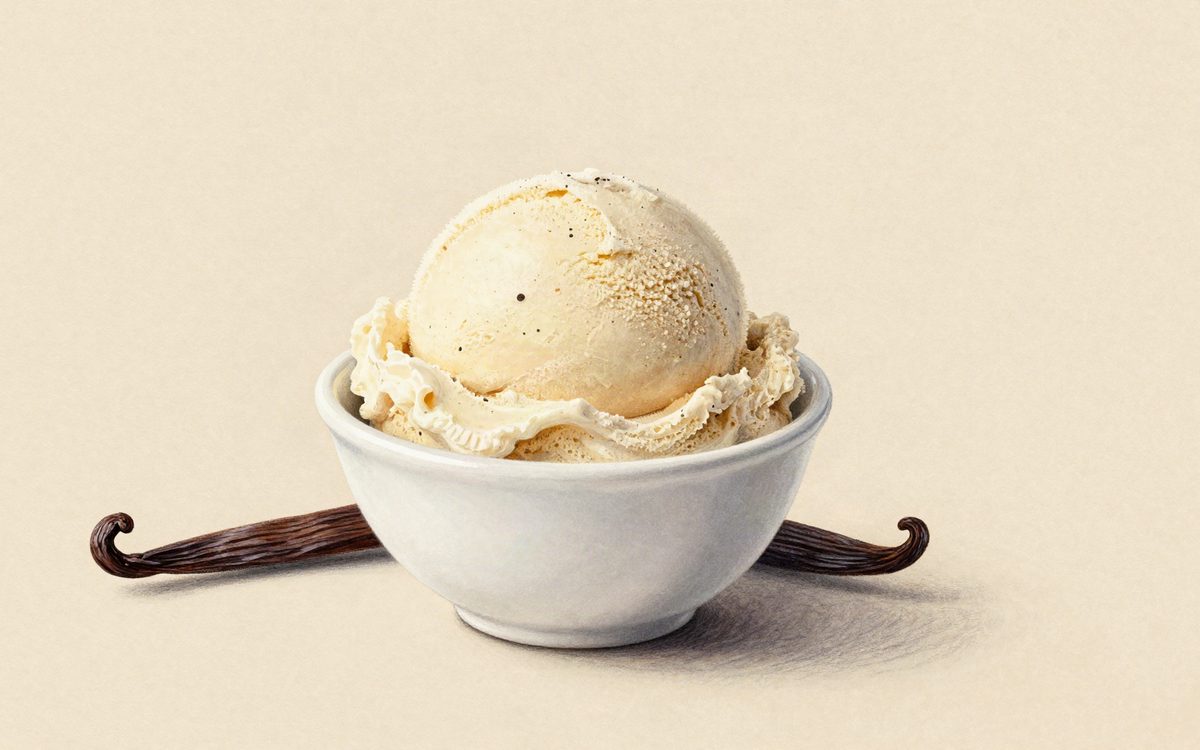
Where the usual protein pudding turns chalky, this one stays cold and clean, vanilla seed visible in the flecks and a milky finish that never goes heavy.
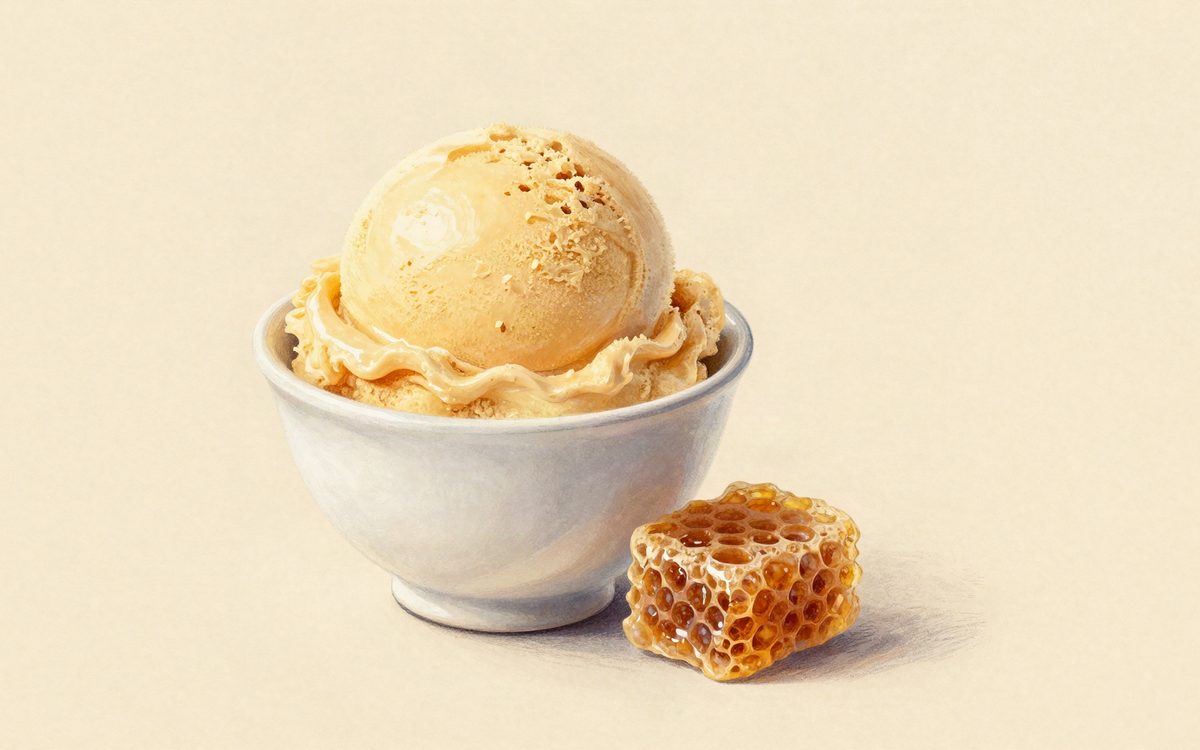
The spoon goes in without resistance, floral sweetness spreading ahead of the cream, and a warm blossom note is the last thing to leave the palate.
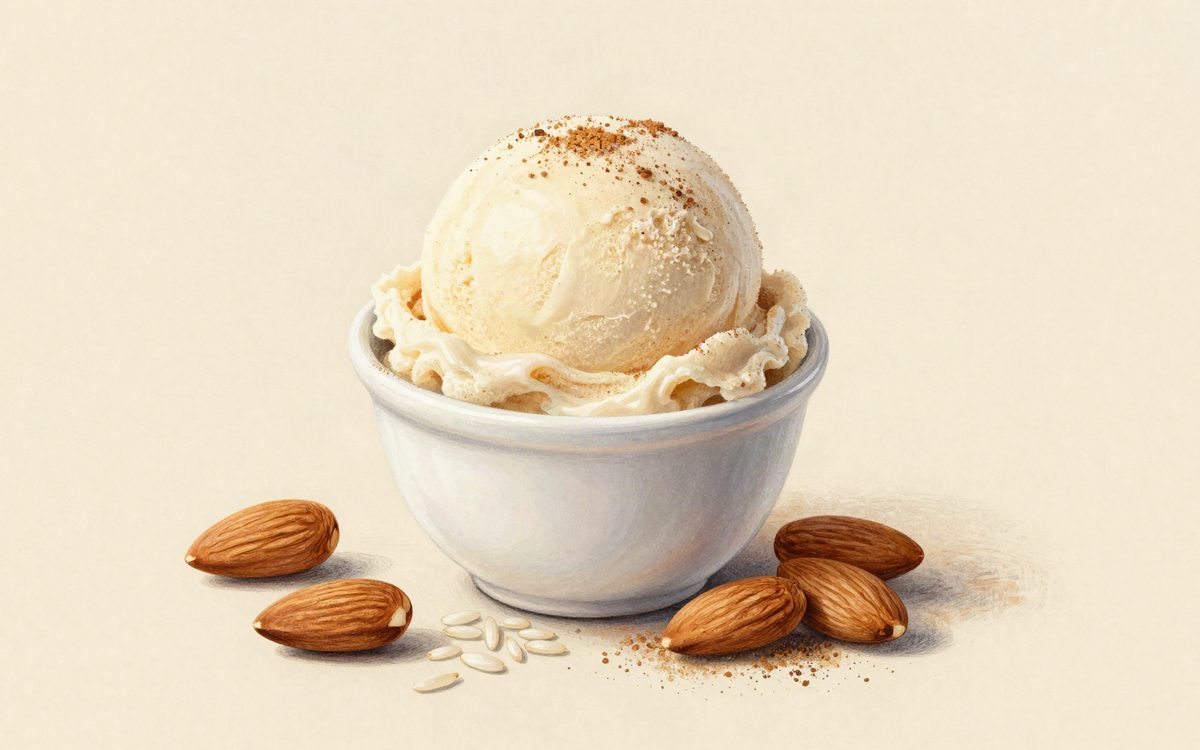
Starts silky and faintly starchy rather than rich, warm with cinnamon over a soft almond backdrop, and finishes clean instead of coating the mouth.
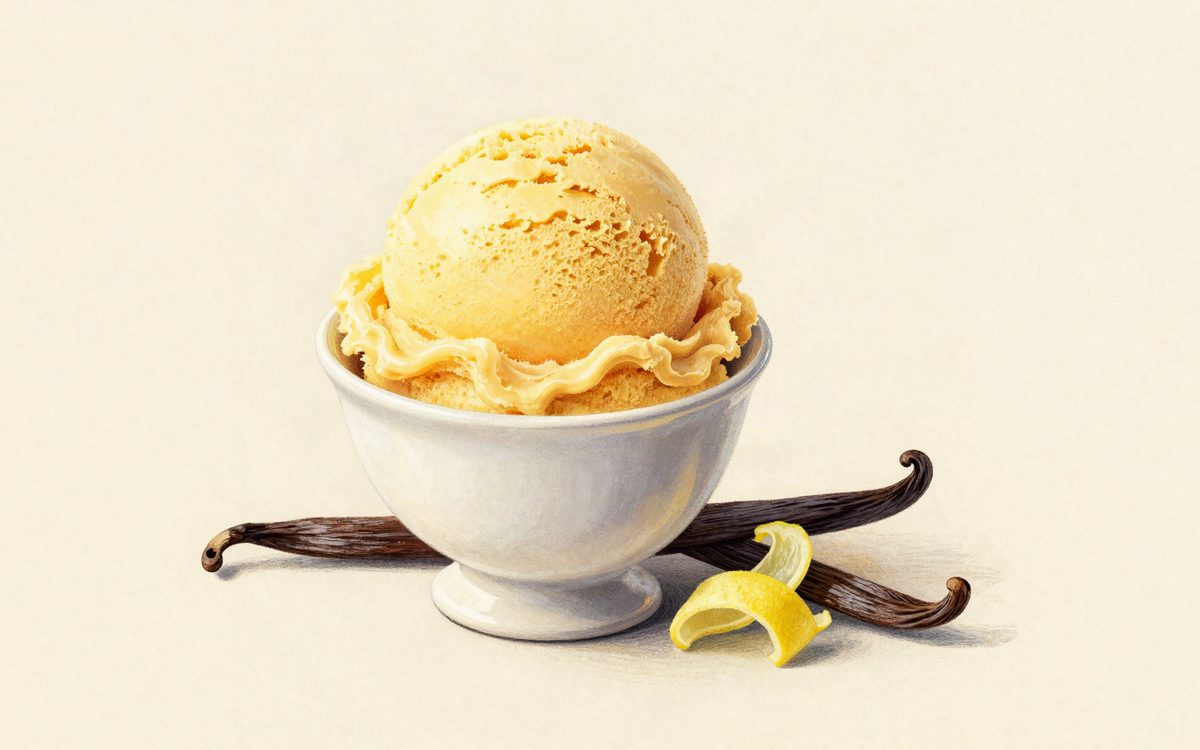
There is a warm, eggy weight to it that the zest cuts just as it settles, and vanilla carries what is left of the flavour well past the cold.
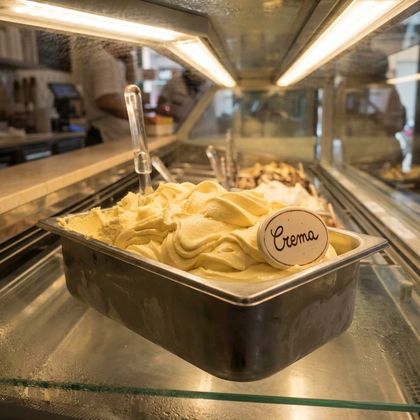
Spoons like cold custard, vanilla out in front, egg richness underneath, and a lemon zest lift at the end that keeps it from eating heavy.
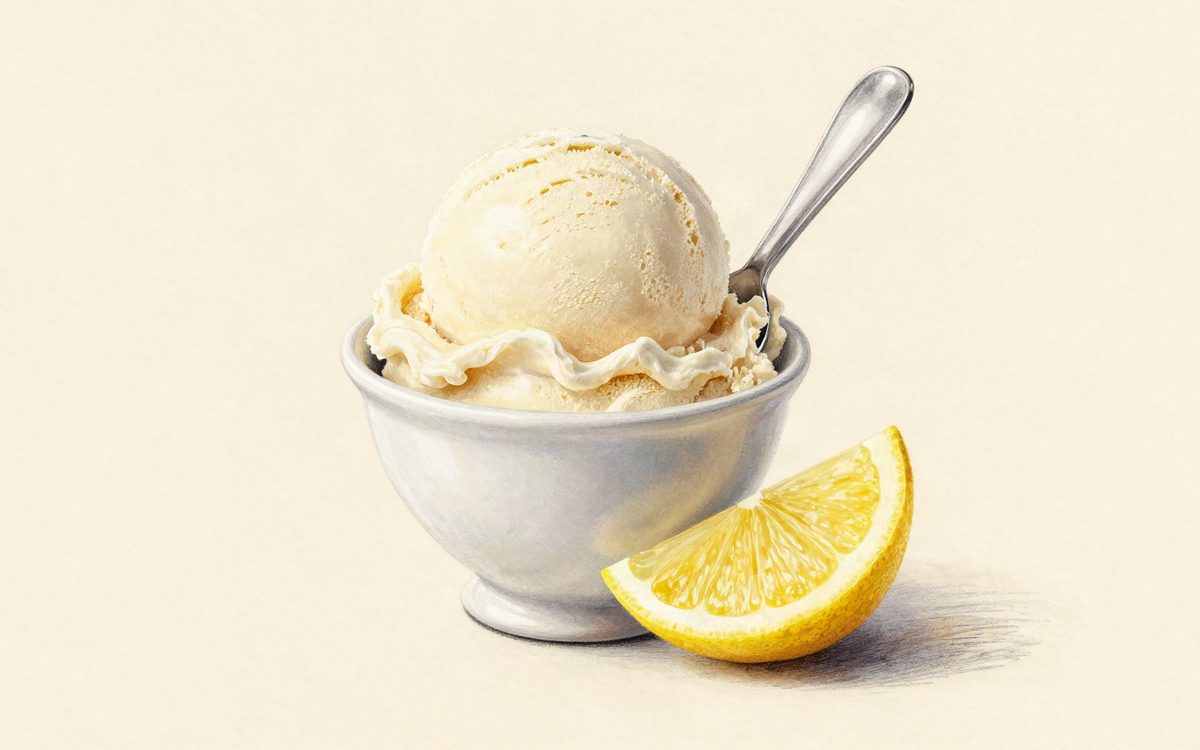
Sour arrives before sweet, over a dense, cool body that coats the tongue, and the salted edge at the end fades clean instead of clinging.
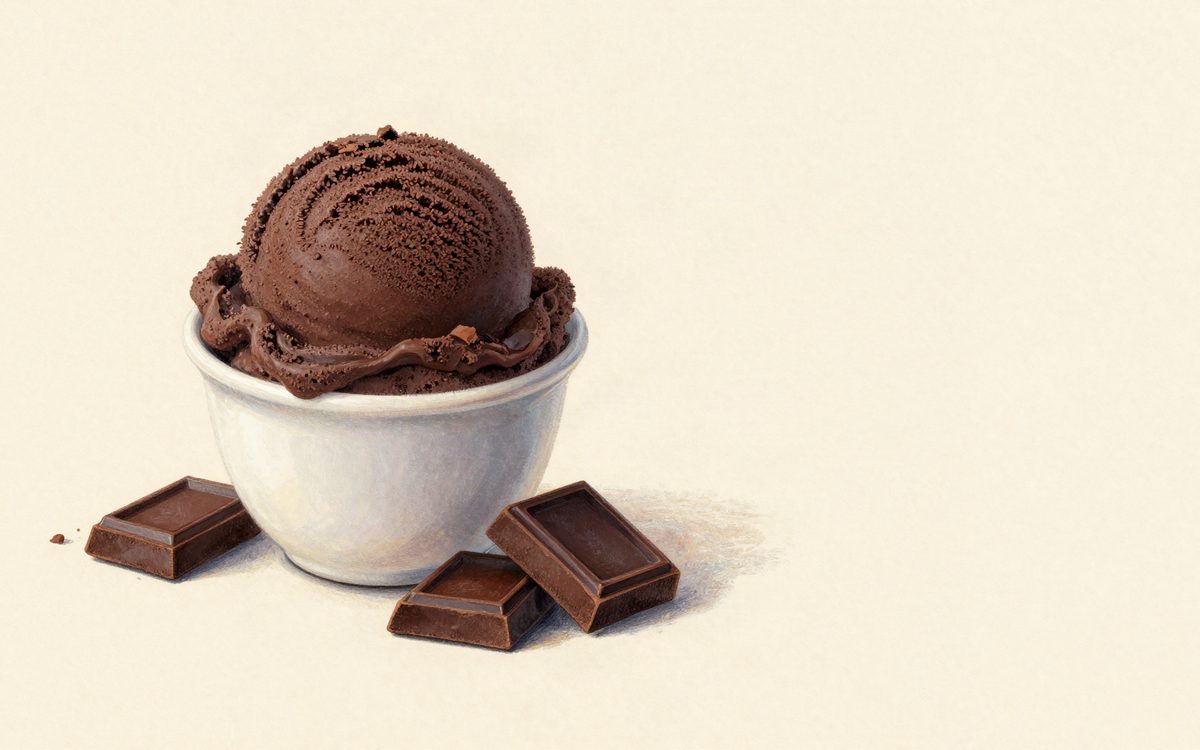
Bitterer and drier than a sugared chocolate gelato, with cocoa landing hard and clean, a faint cooling finish and none of that sweet weight left behind.
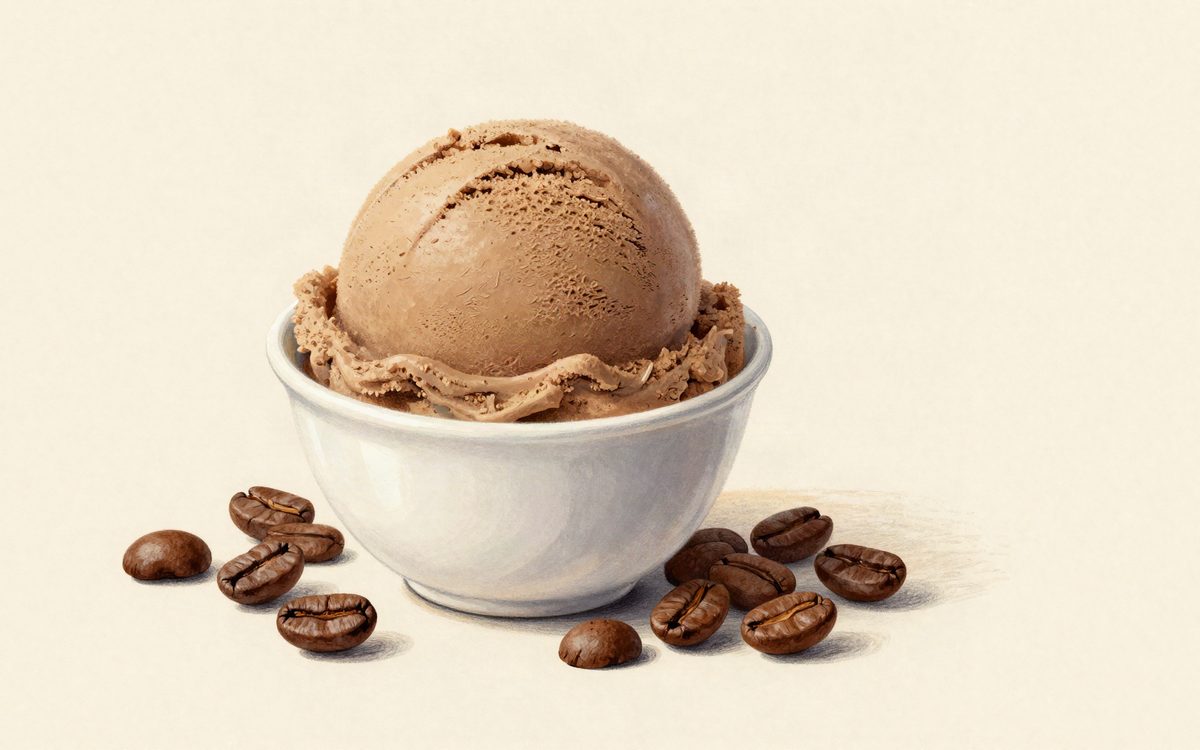
Bitter and properly cold, it opens on espresso aroma and closes on roast, fuller in the mouth than most no added sugar versions manage without going dry.
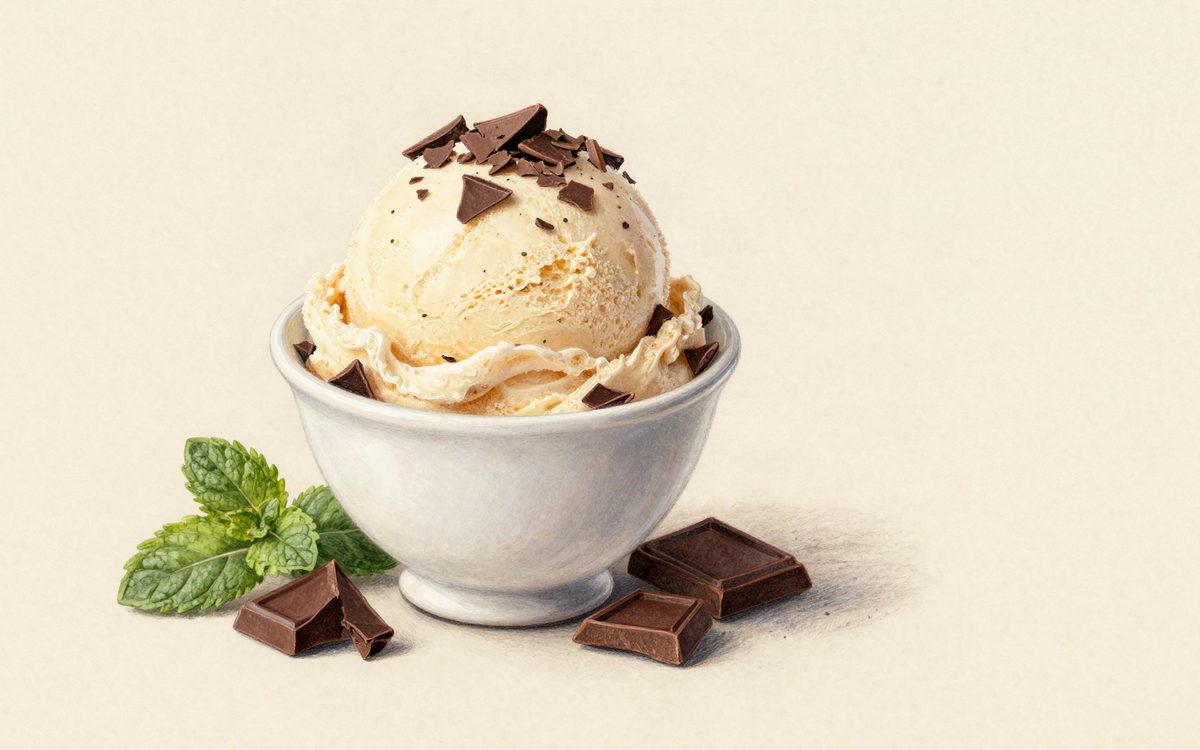
A leafy chill lands alongside the cold one, sweet without sucrose doing any of the work, and the chocolate turns up as brittle flakes that snap instead of chew.
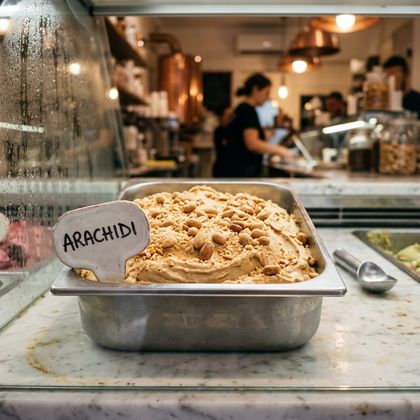
Roast and salt land first, the sweetness a step behind them with a faint cooling edge, and a body that reads firm rather than soft on the spoon.
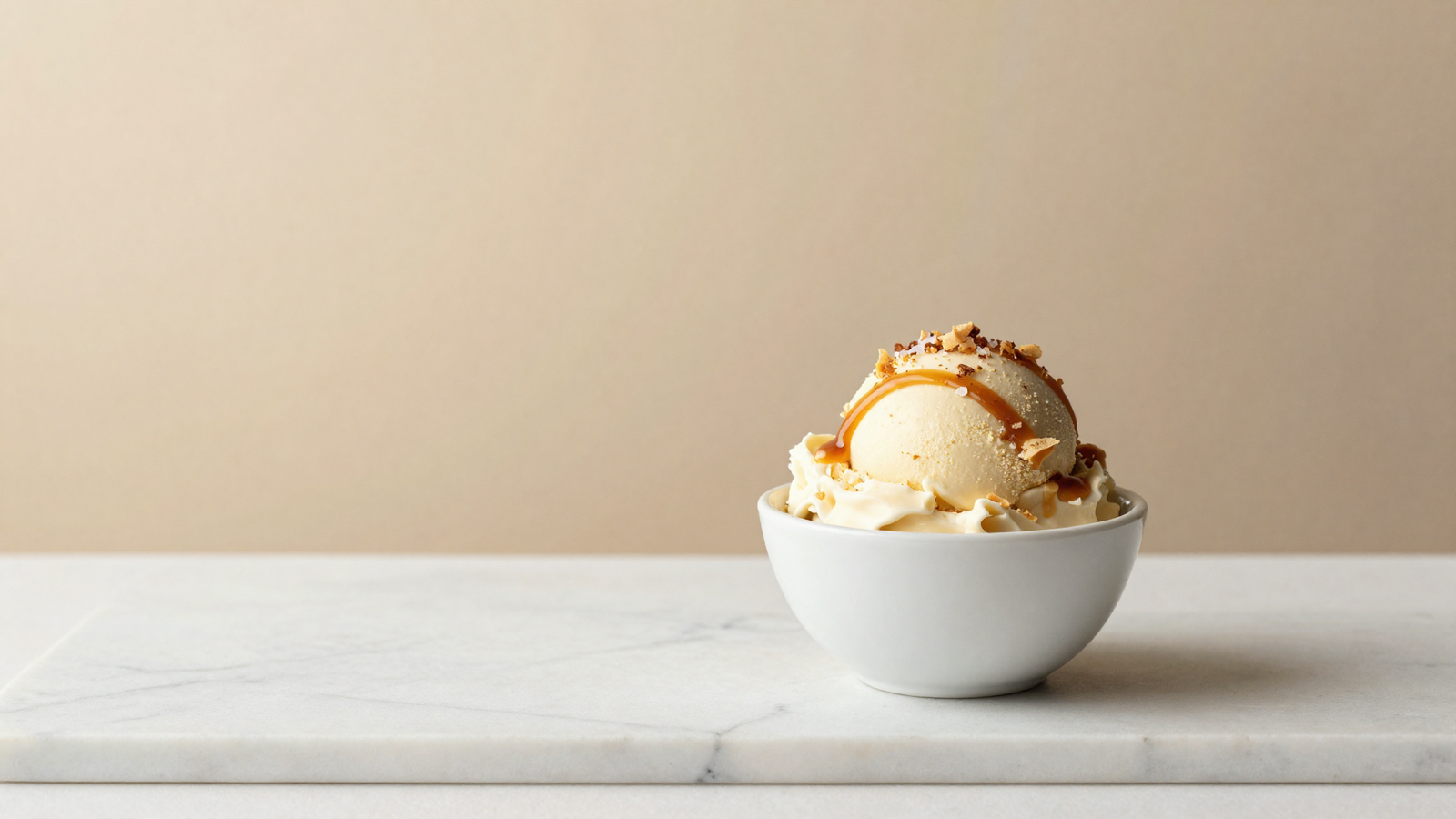
Closer to butterscotch than to clean caramel, soft on the spoon and quietly savoury, with a sweetness that arrives after the salt and stays well past the cold.
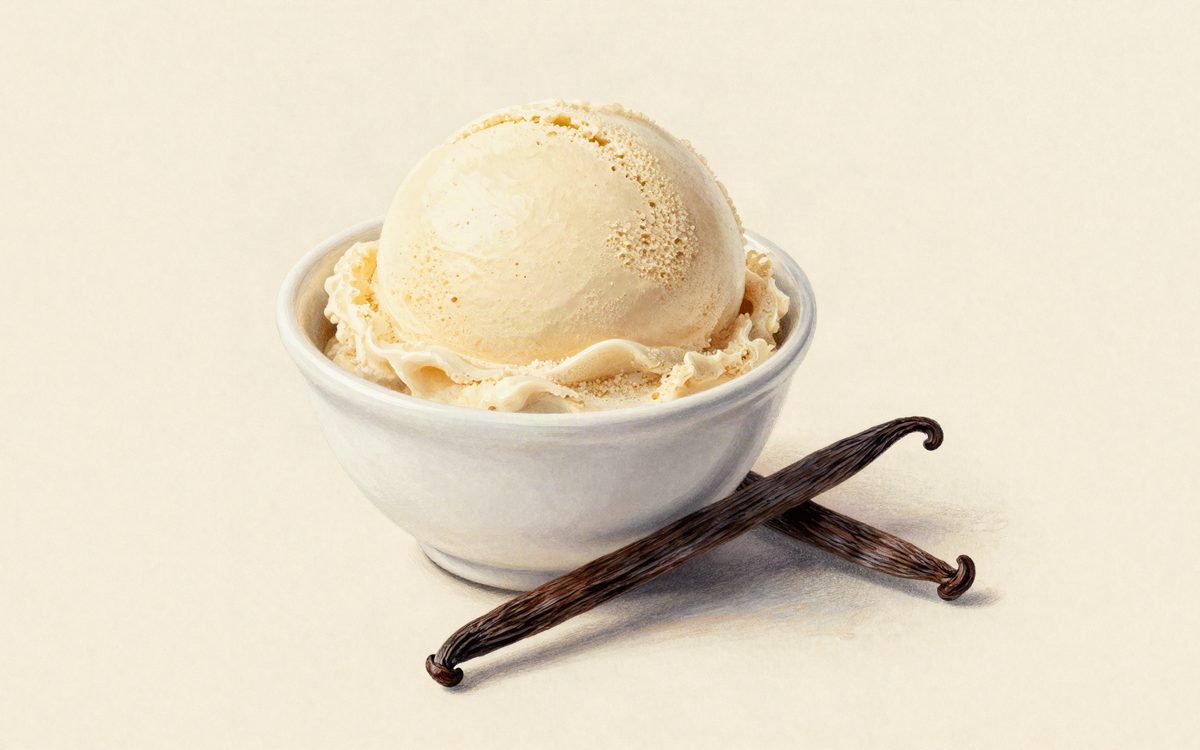
The chill bites a shade harder than a sugar base would, the body stays dense and smooth, and vanilla builds late and lingers long after the cold.
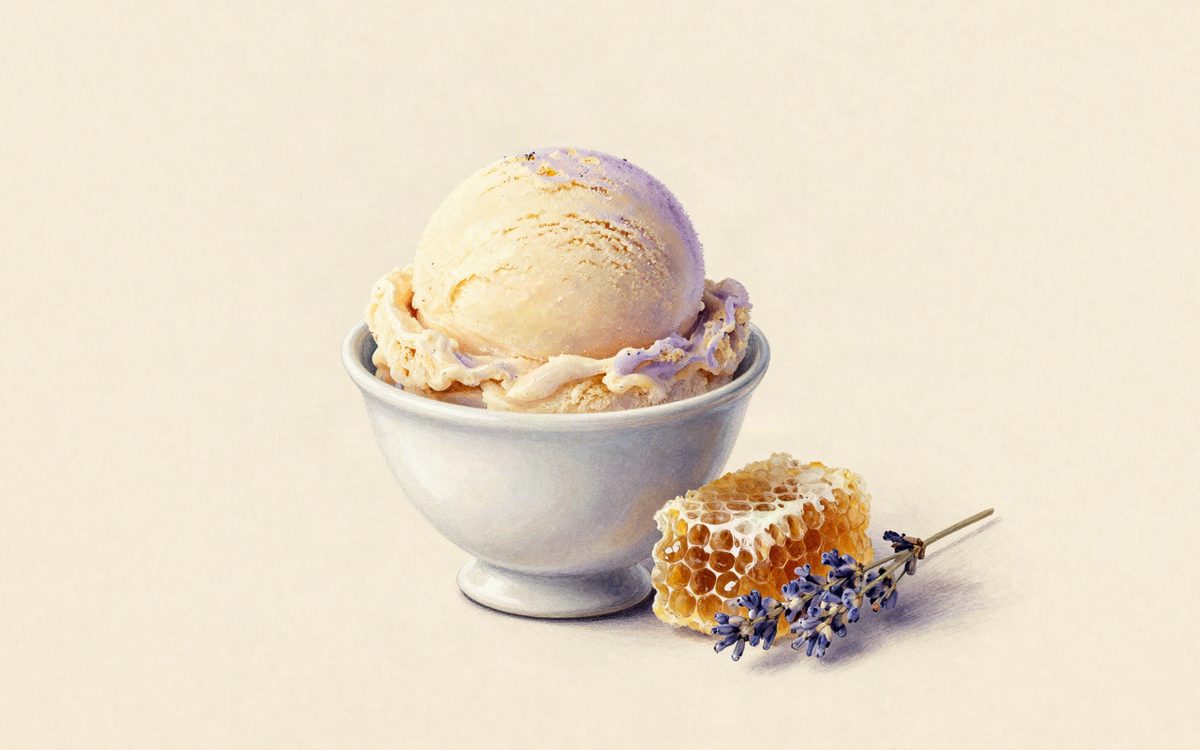
Soft under the spoon even straight from the cold, a light floral lift on the way in, then a rounded honey sweetness that settles and stays put.
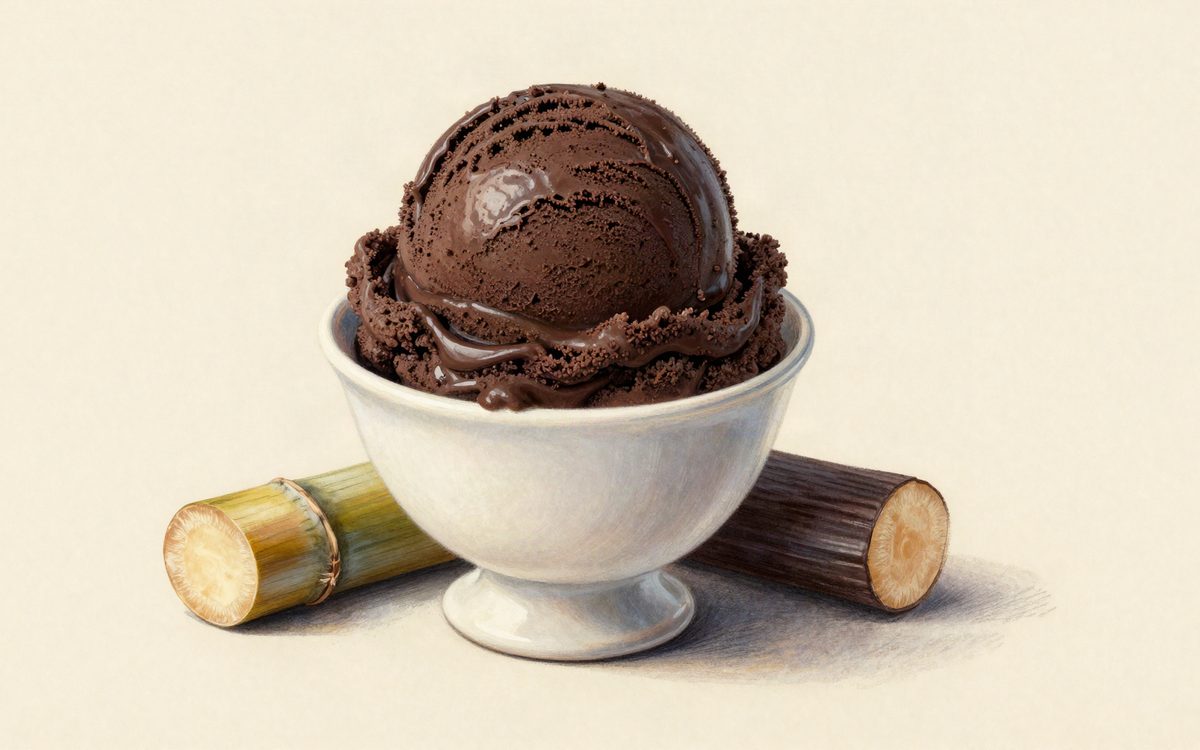
Sweetness lands first and briefly, then a dark salty resin builds up behind it and takes over, holding on long after the cold has faded.
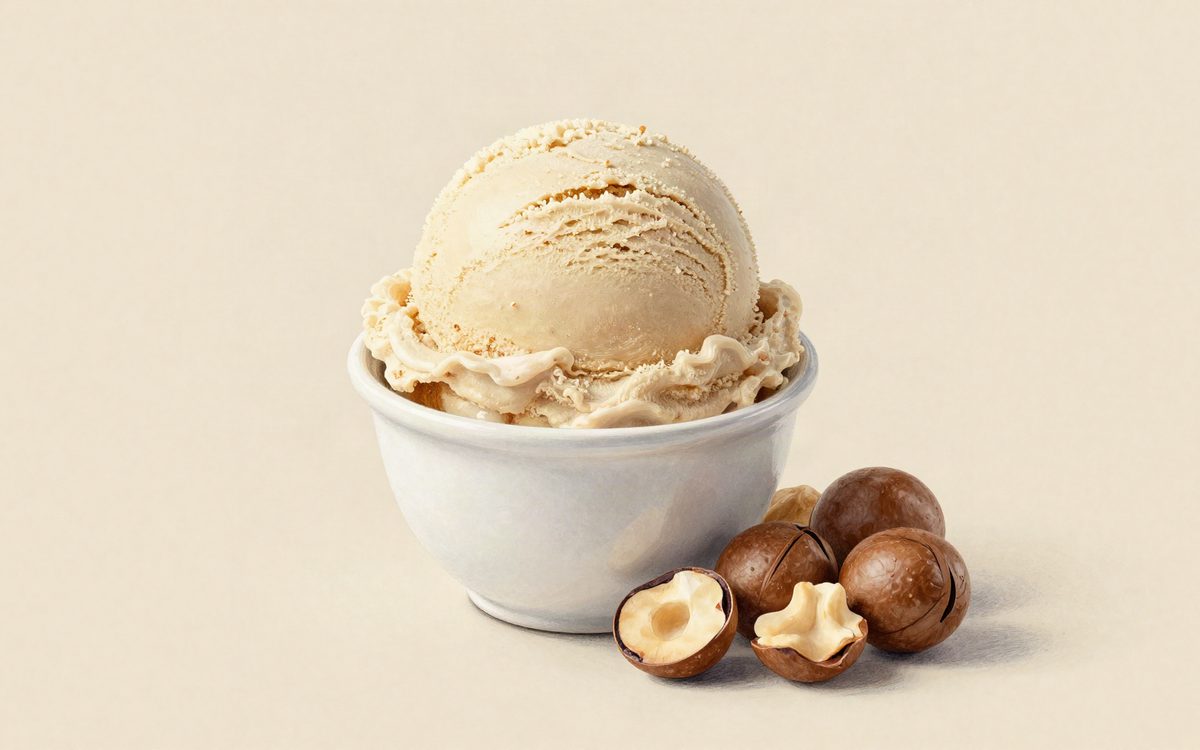
Softer out of the freezer than most nut gelati, buttery rather than greasy, with a delicate aroma that survives the cold instead of vanishing in it.
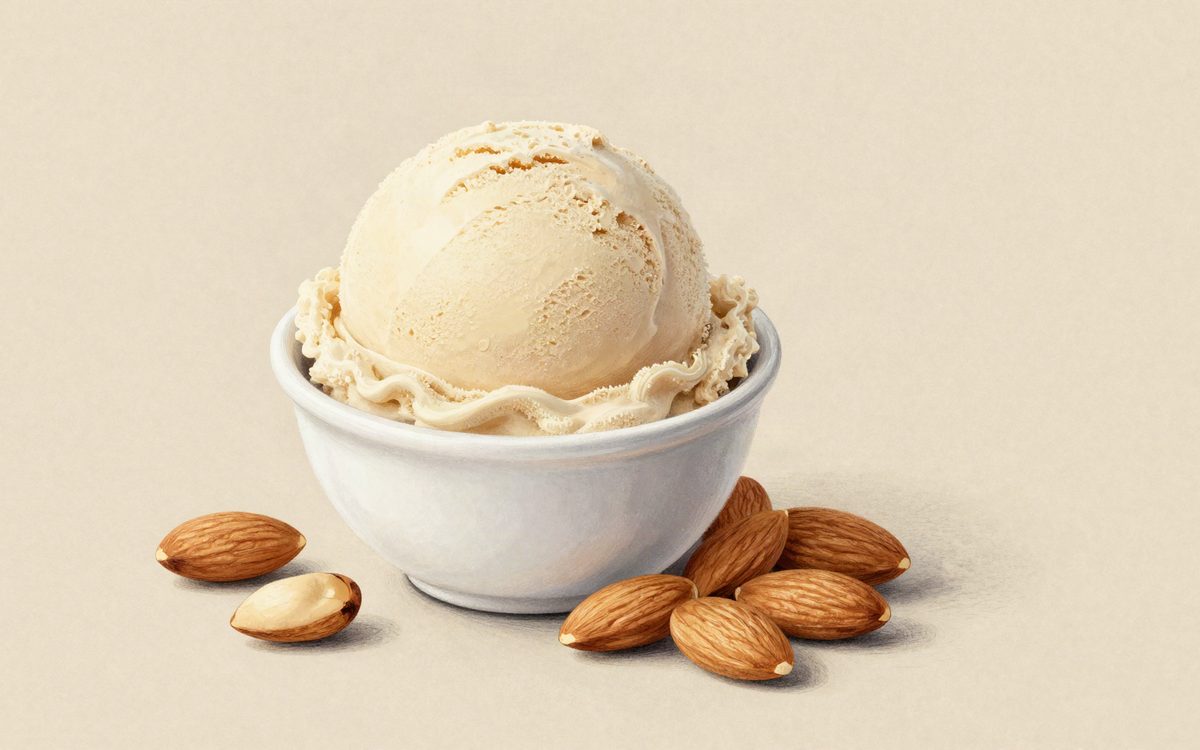
Denser and plainly sweeter than most milk gelati, with almond through the body and a bitter-almond lift on top that stops it from reading as syrup.
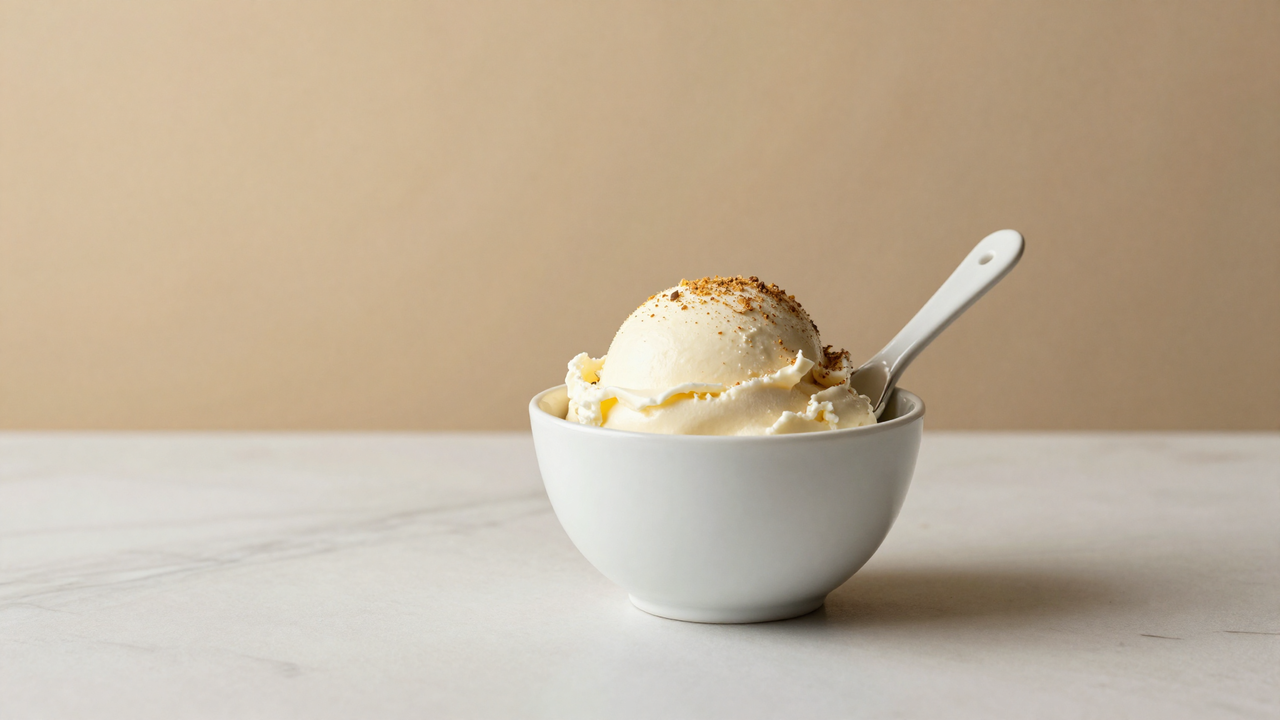
The tang of fresh curd sits under the sugar, the body is thick without turning greasy, and the finish clears the mouth instead of coating it.
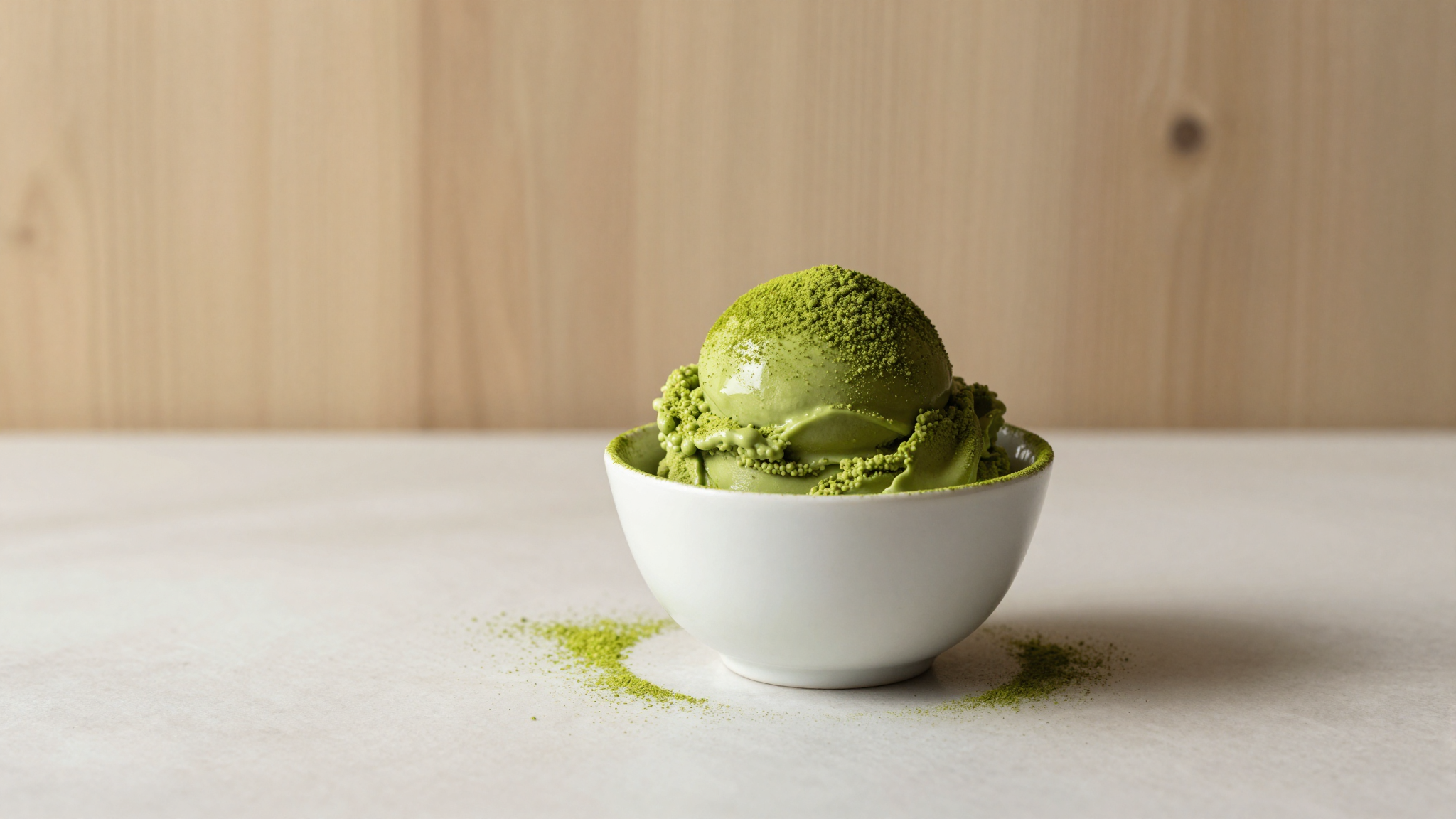
Grassy bitterness on the first spoon, umami close behind it, carried by a base kept lean on purpose so nothing fatty sits between the tea and your tongue.
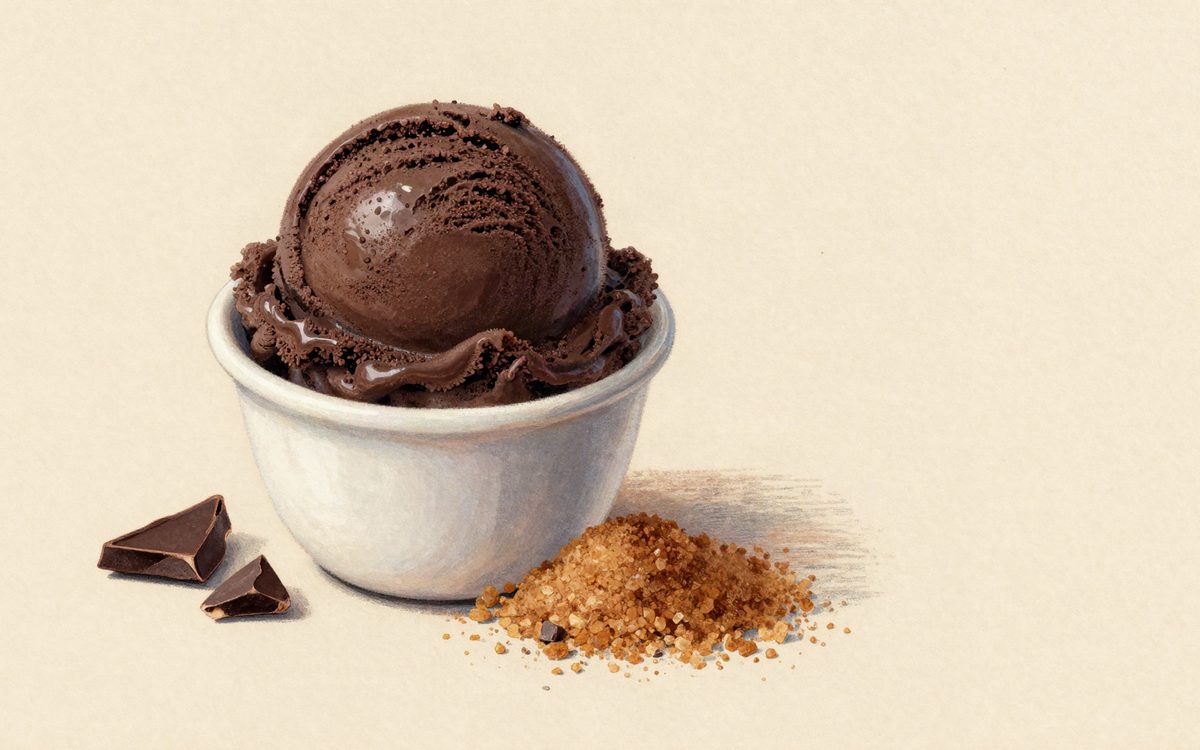
There is molasses under the spice and cocoa under both, dry and toasty, so the last thing left on the palate is warmth rather than sweetness.
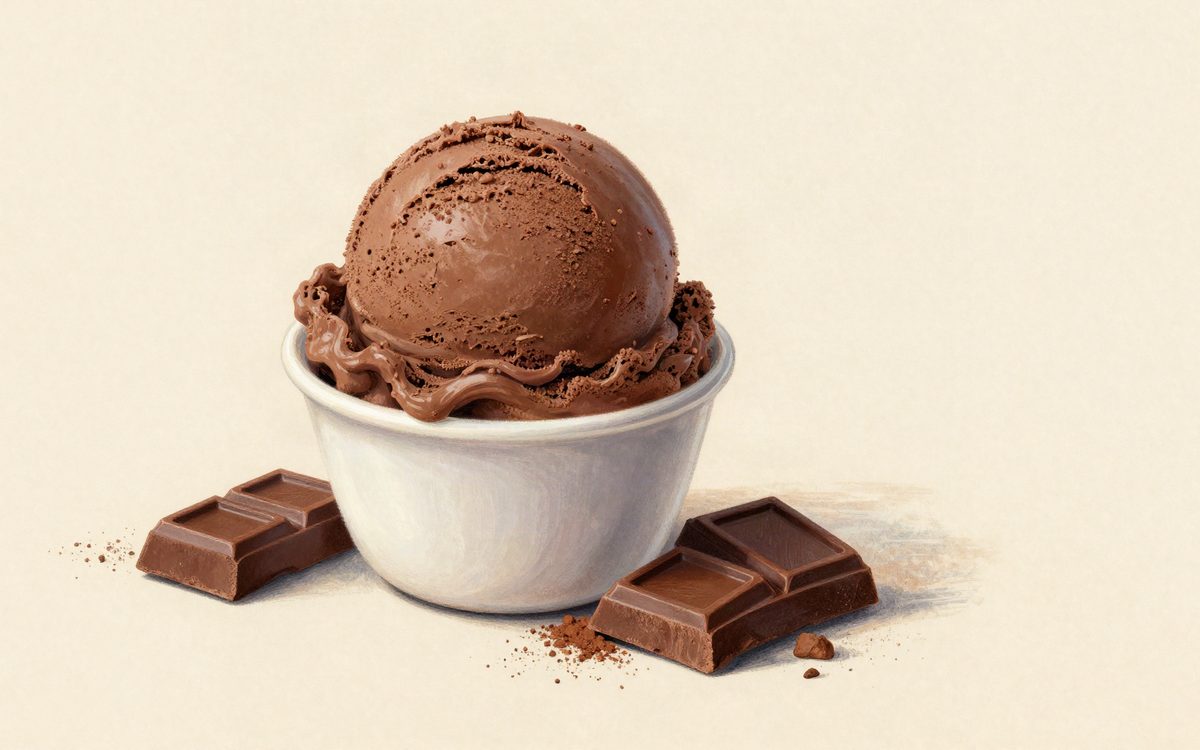
Milky sweetness at the front, a toasted cocoa shadow underneath it, and a fat-coated finish that keeps going long after the spoon is empty.
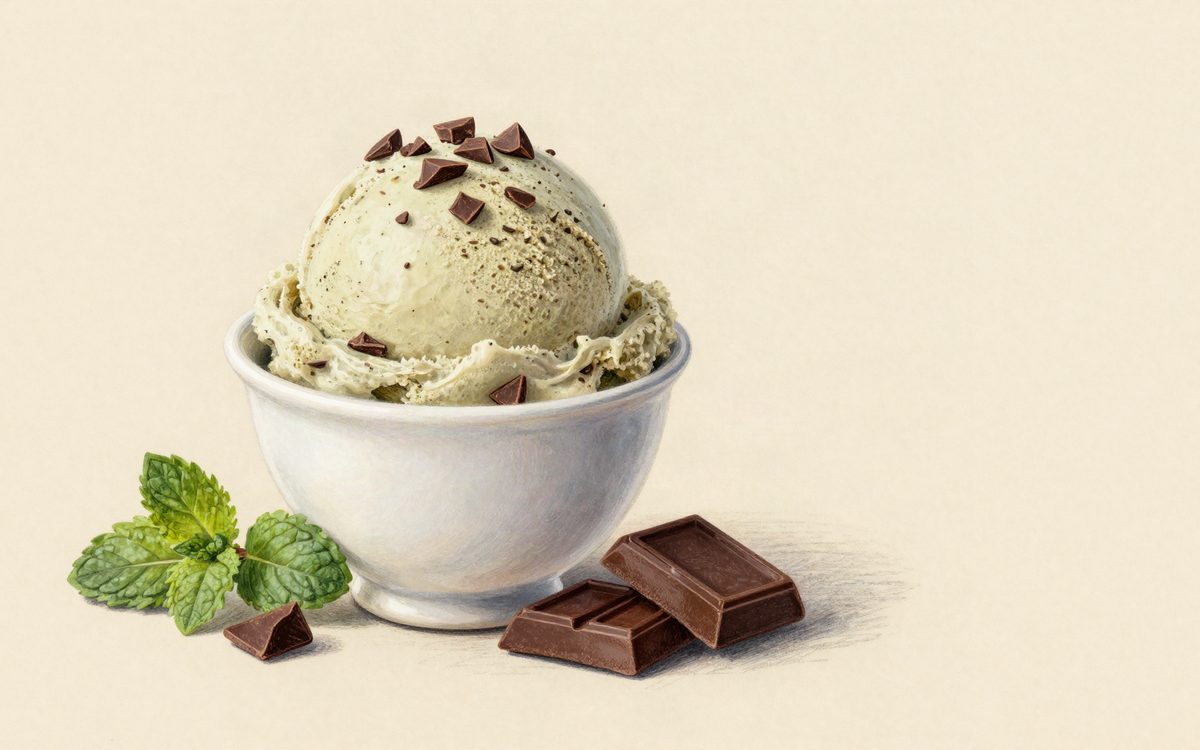
Cooling green lift first, then hard flakes that snap under the teeth and melt down into a bitterness sitting where the mint has just been.
What you get is cool, green and properly herbal rather than sweet, on a rich base that keeps releasing the leaf well after the spoon has gone.
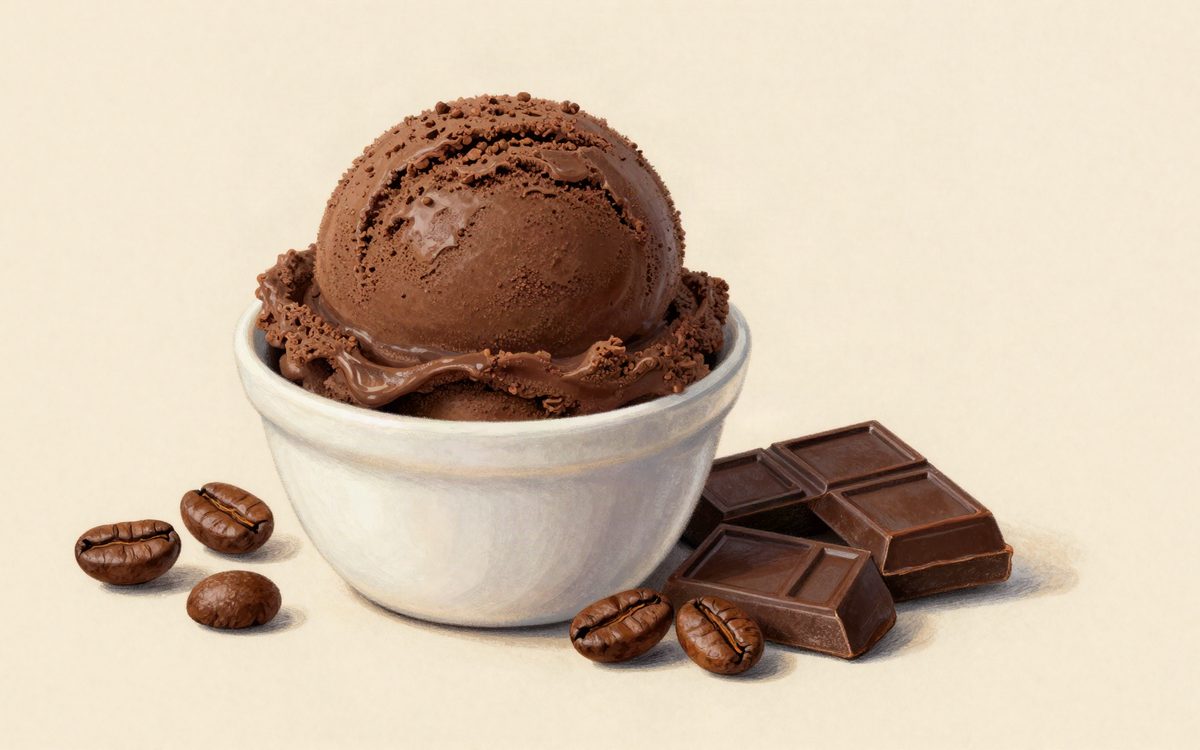
Roast and bitterness lead, cocoa fills in underneath, and the finish keeps the long, faintly acidic tail that properly extracted coffee leaves behind.
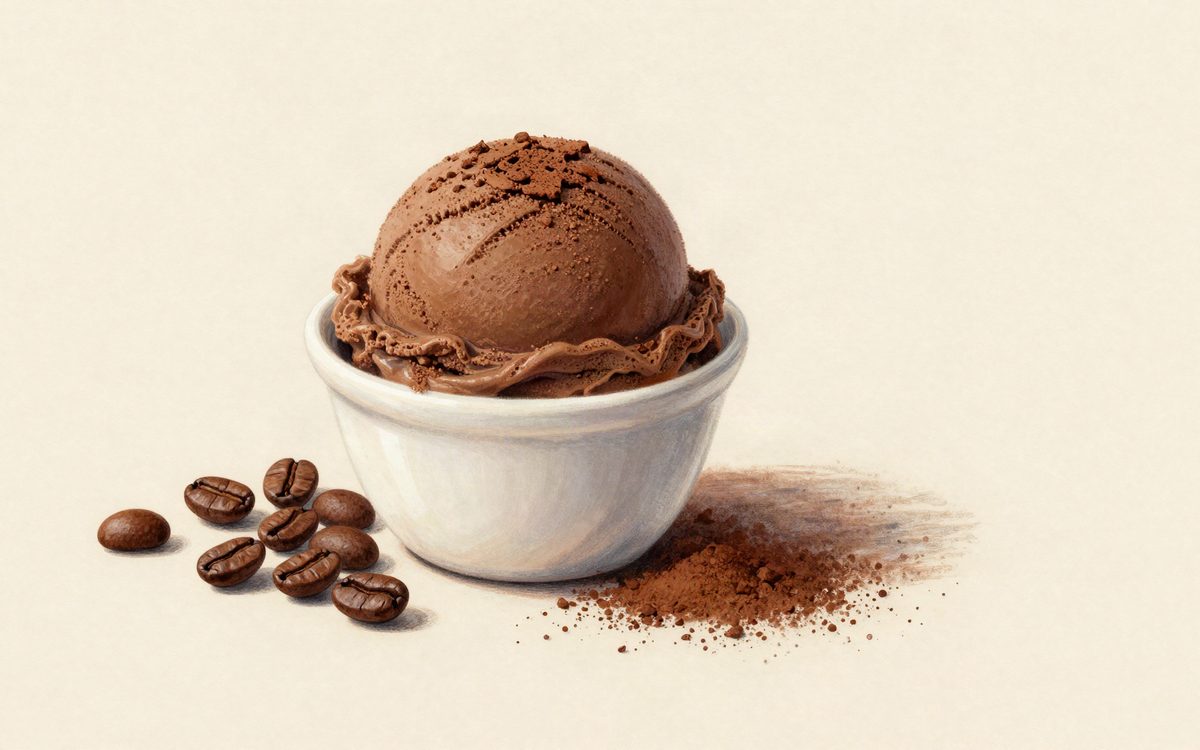
Roast and cocoa arrive together without stacking up, milk rounds the middle, and a coffee bitterness stays on the palate long after the cold has gone.
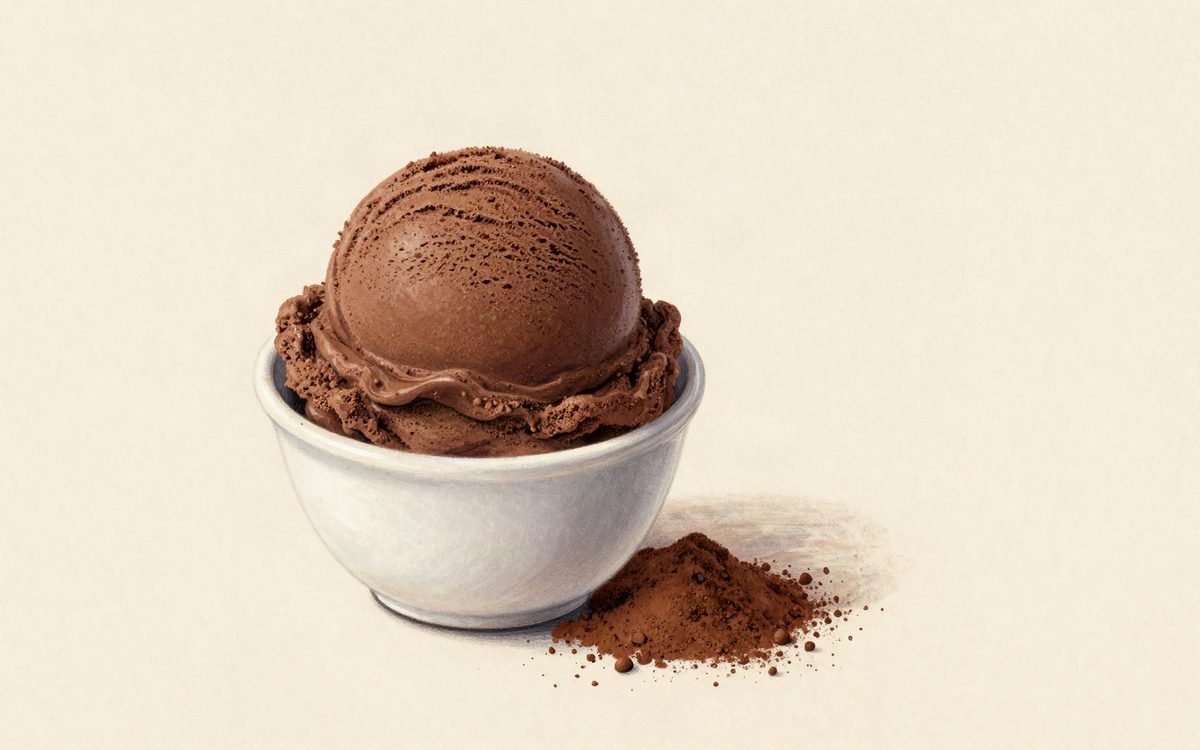
Deep and frankly bitter, cocoa first with sweetness a step behind, and it still scoops soft after the fridge rest the method calls for instead of setting into the usual sugar free block.
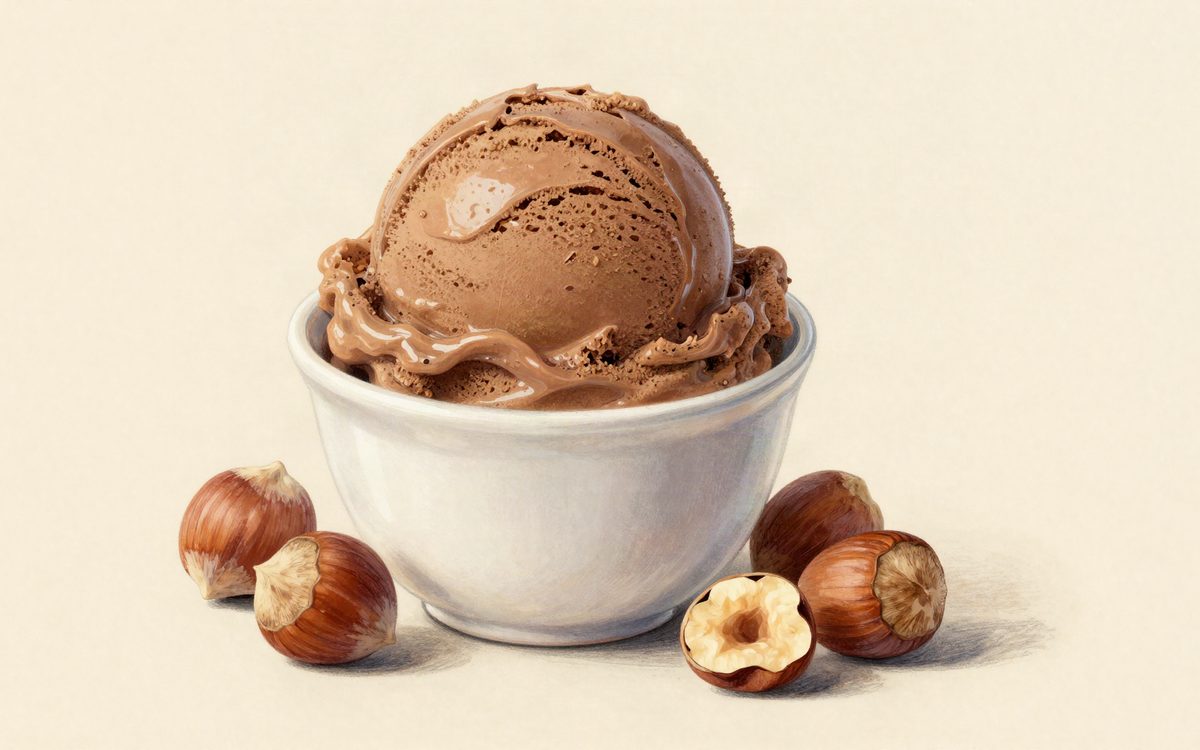
Sweetness hits hard and quits early; what stays is a long roasted-nut finish, with enough salt in it to keep the whole thing honest.
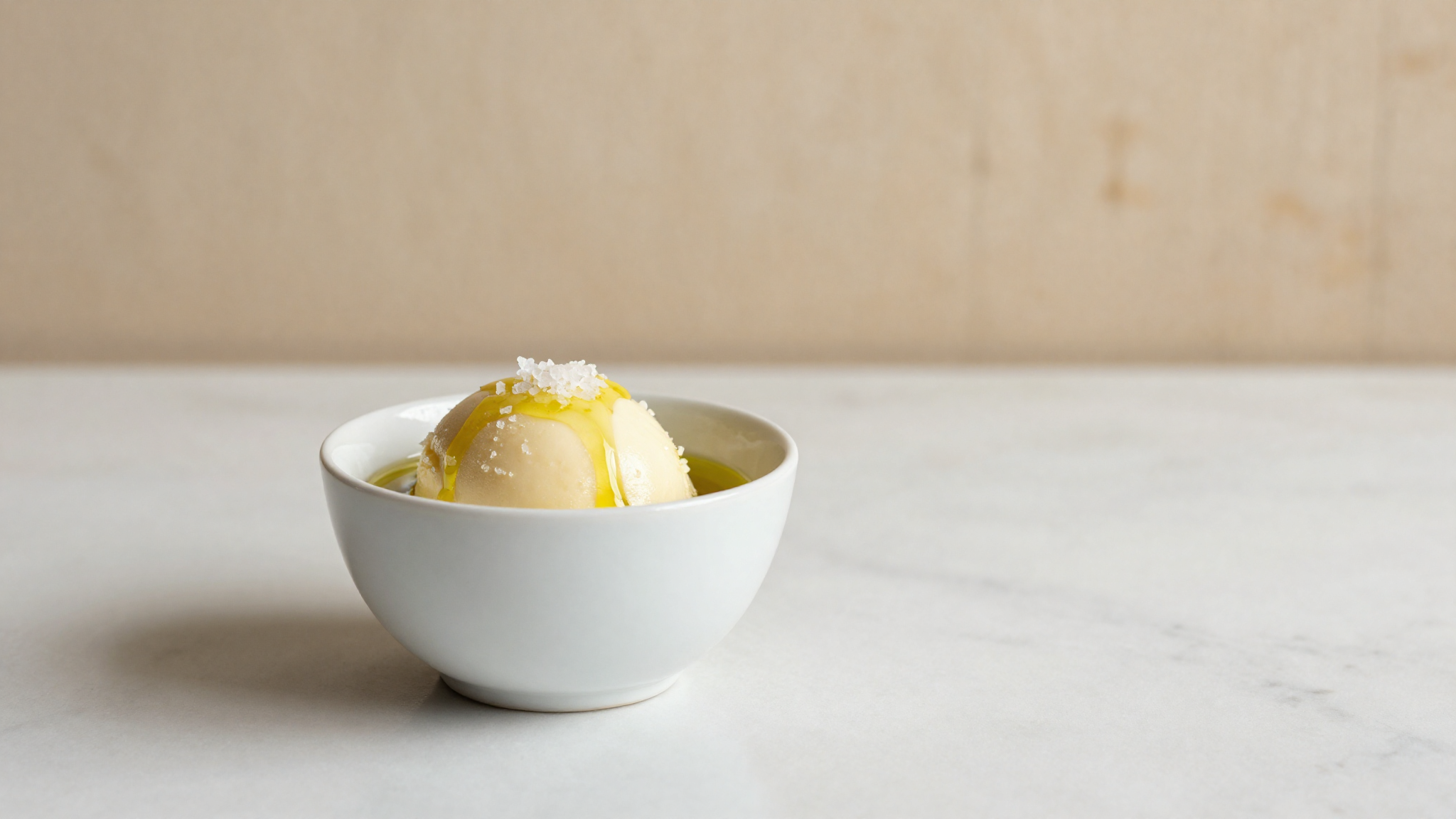
Under the milk sweetness runs something grassy and faintly peppery, the melt is thin and clean, and the fruit of the oil stays on the palate.
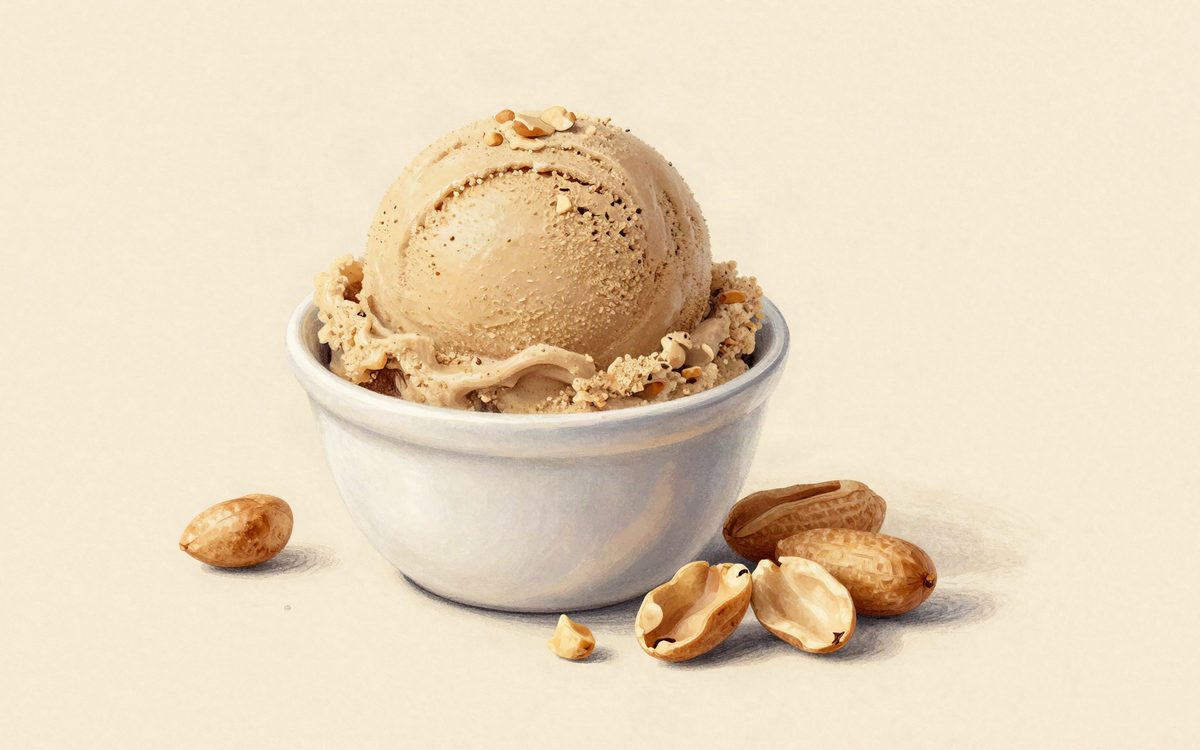
Somewhere between a sweet and a gelato in feel, dry and salted at the edge, with toasted nut and raw sugar that keep going after the cold has left.
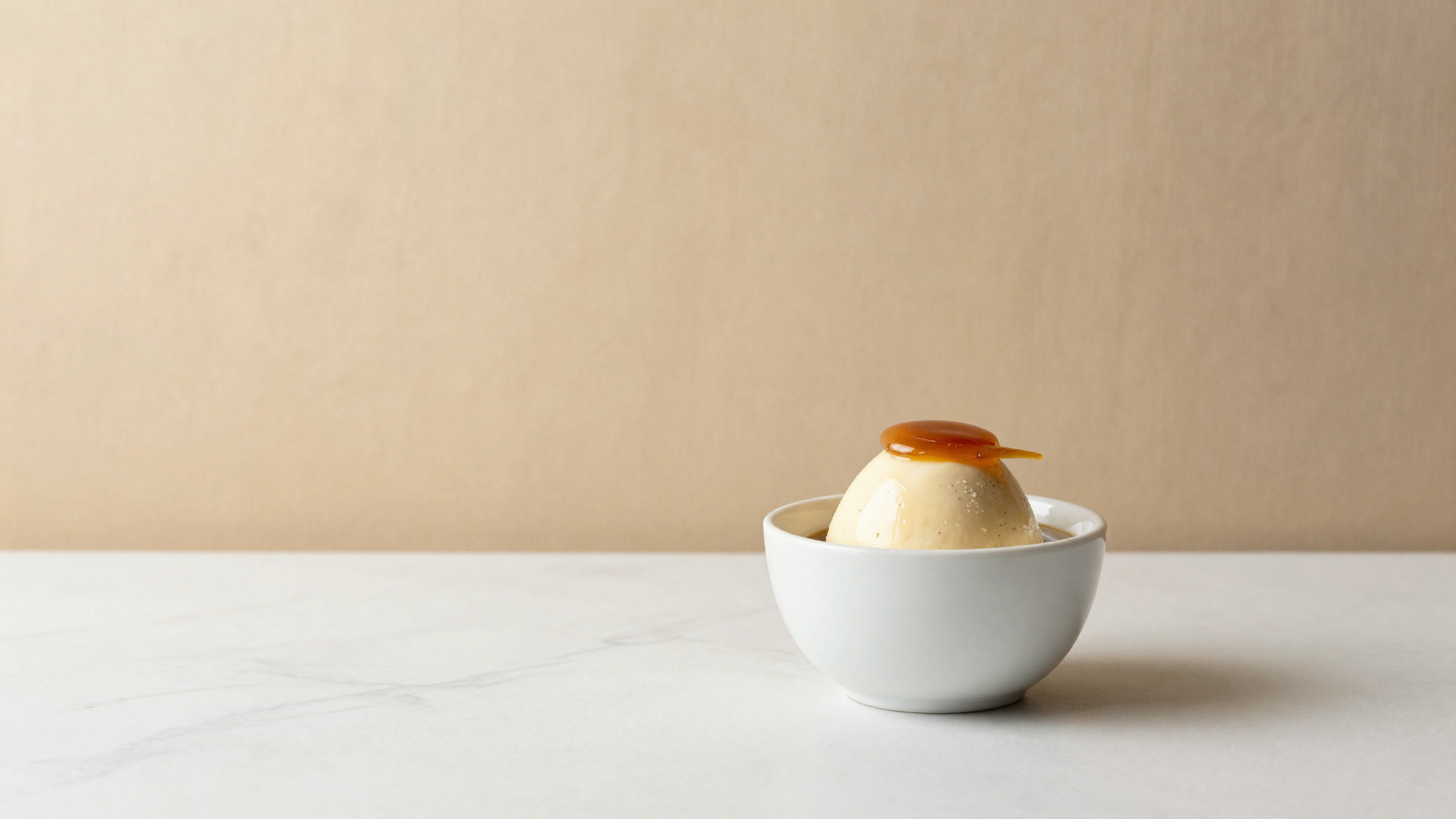
Short and elastic on the spoon, rich without turning waxy, sweet cream first and then a slow vanilla that keeps going after the cold has faded.
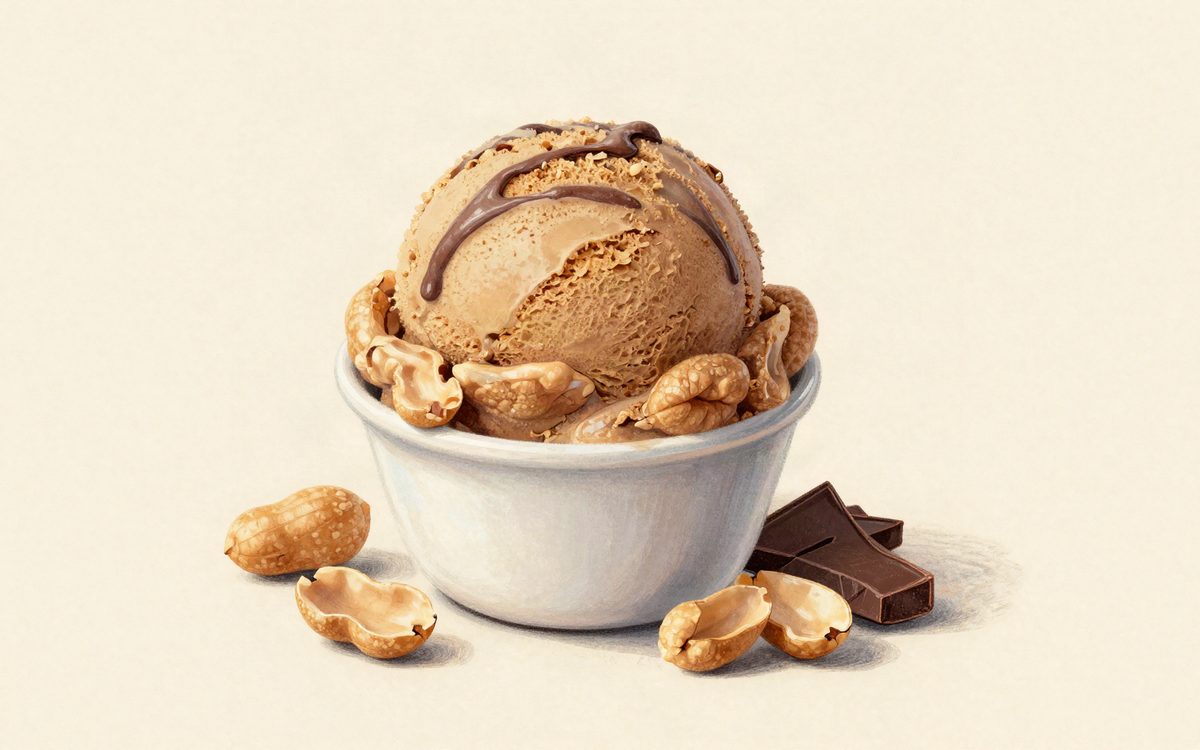
Salt and roast arrive first, the chocolate settles in behind them, and the spoonful clings to the roof of the mouth the way nut paste always does.
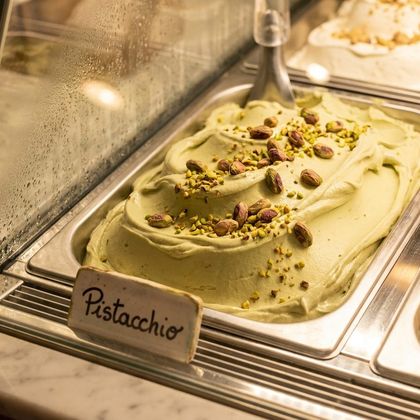
You taste savoury before you taste sweet, then green resin, then a fat that coats slowly and keeps the nut going long after the spoon is empty.
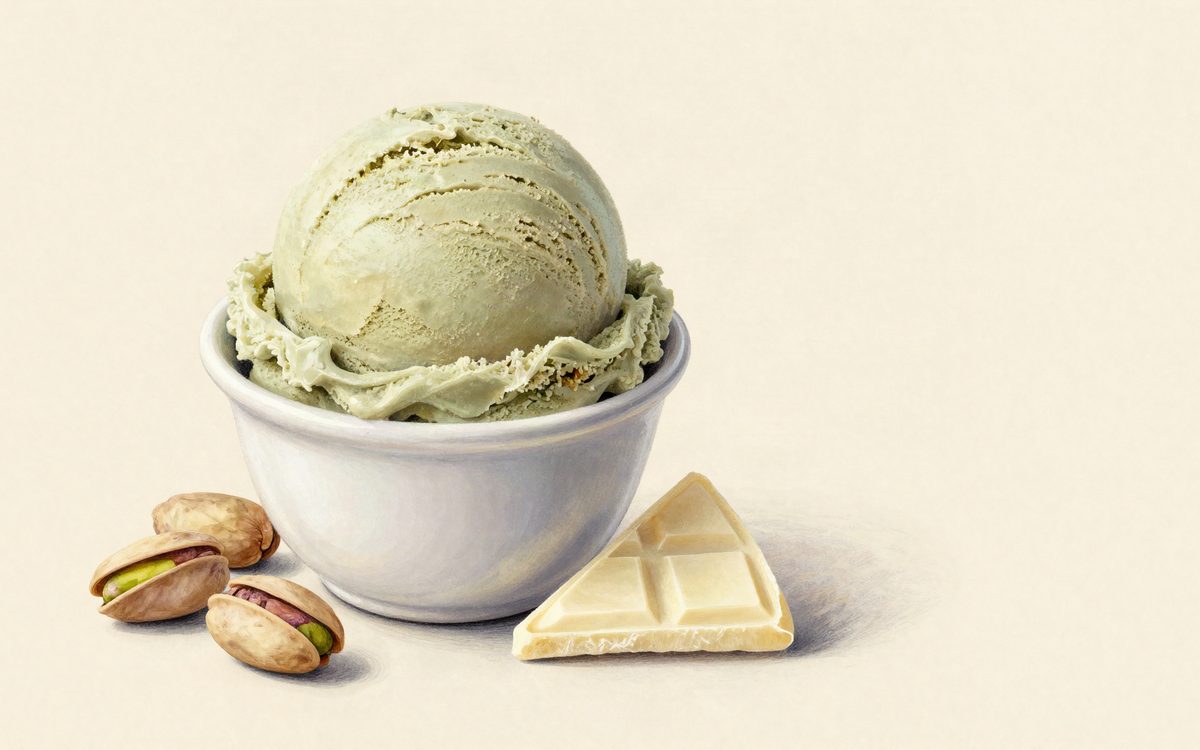
Green oil and toasted nut come forward before the sugar does, over a dense milky body, with a finish that stays savoury rather than sweet.
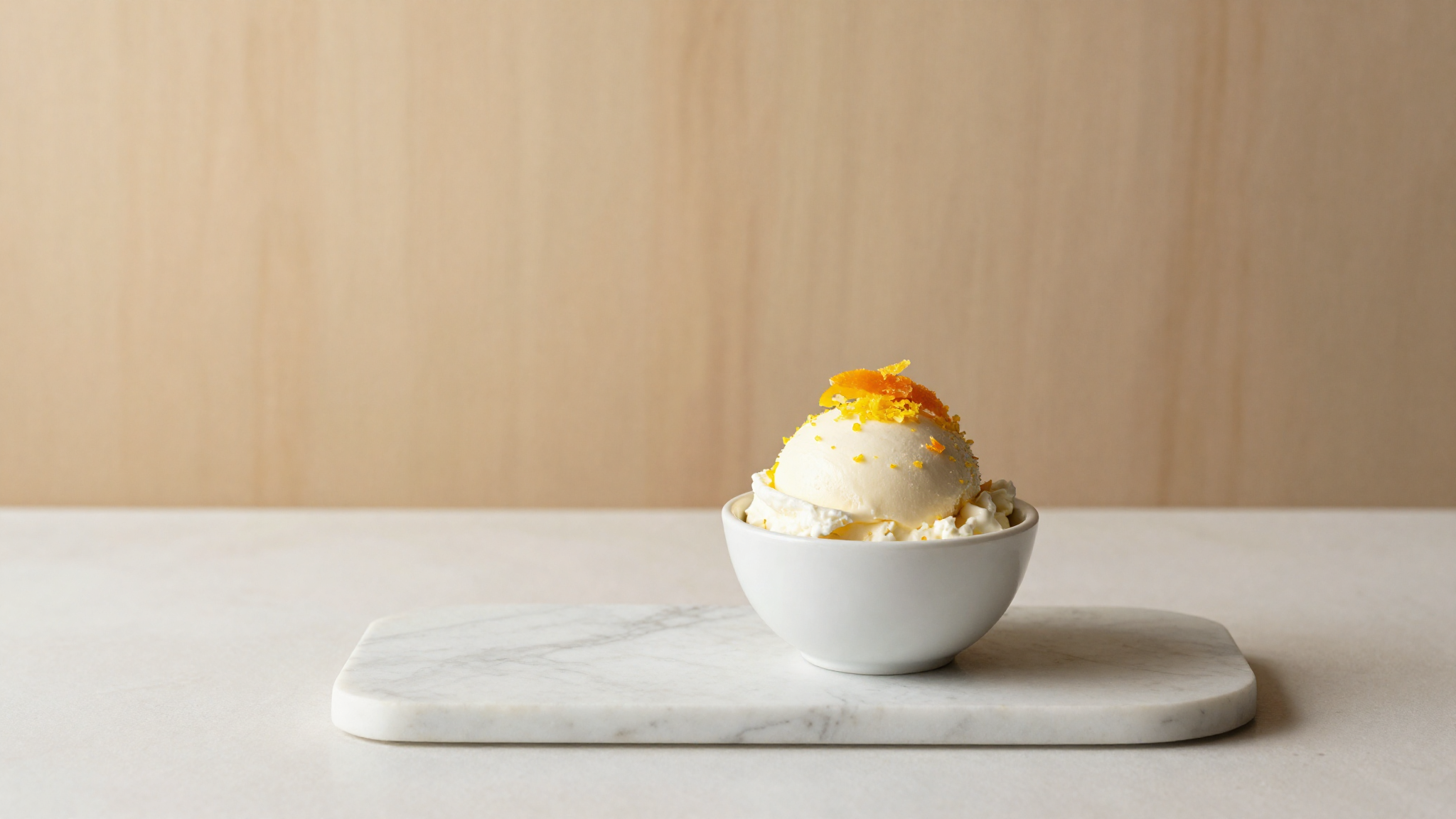
Milky, fresh and gently tangy rather than rich, with honey warmth underneath and a lift of lemon peel at the end that keeps it from sitting heavy.
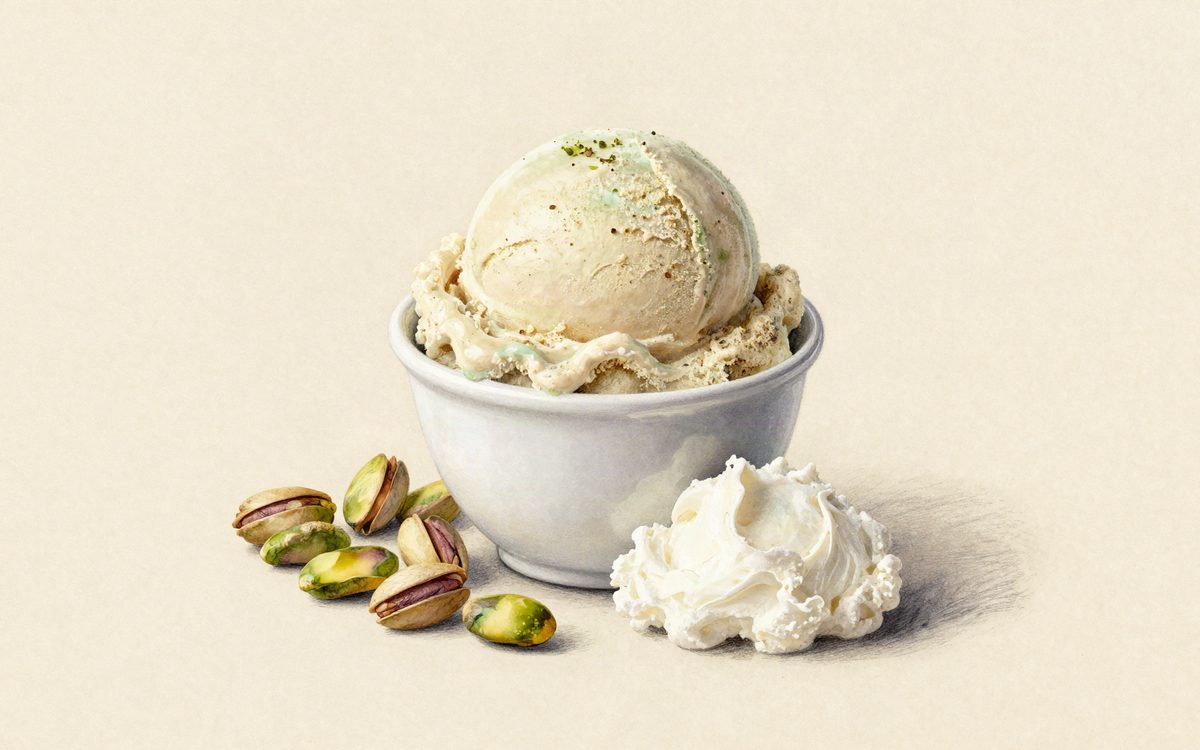
Tangier and less sweet than the colour suggests, tasting of fresh dairy instead of cream, with the nut lingering as fat and salt once the cold has gone.
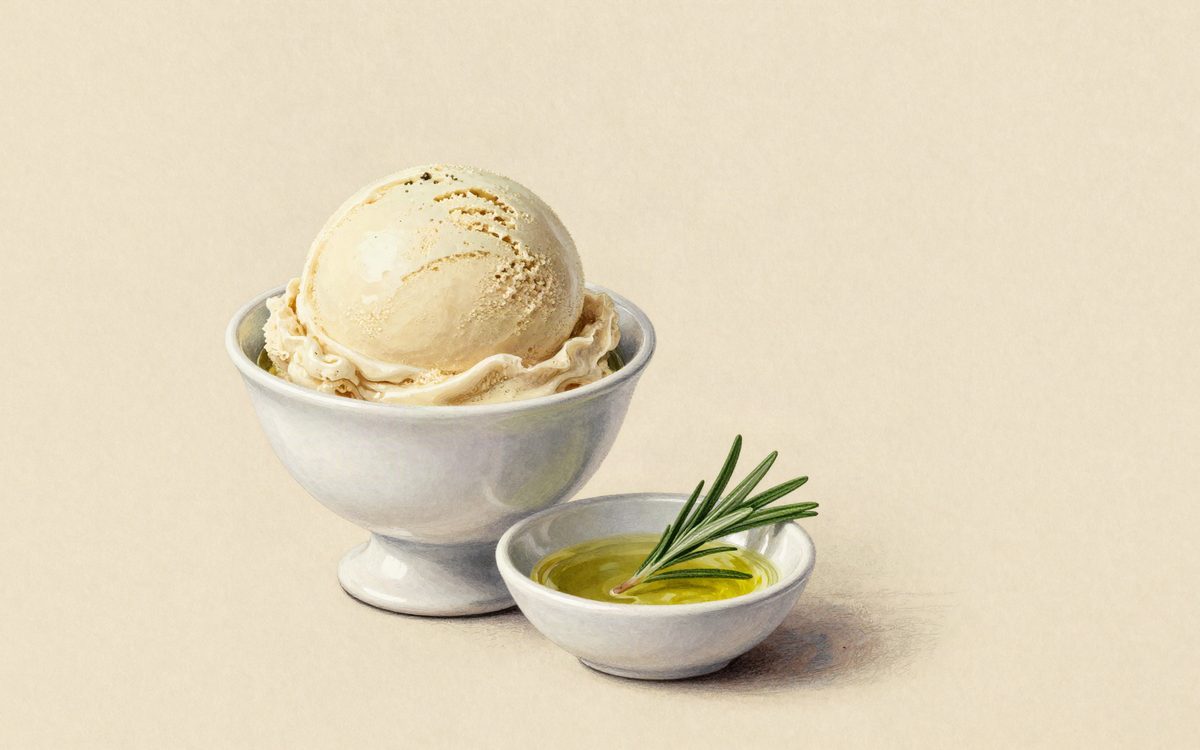
Silky where a cream base would be heavy, a green peppery warmth arriving after the cold, herbal and resinous right the way through the finish.
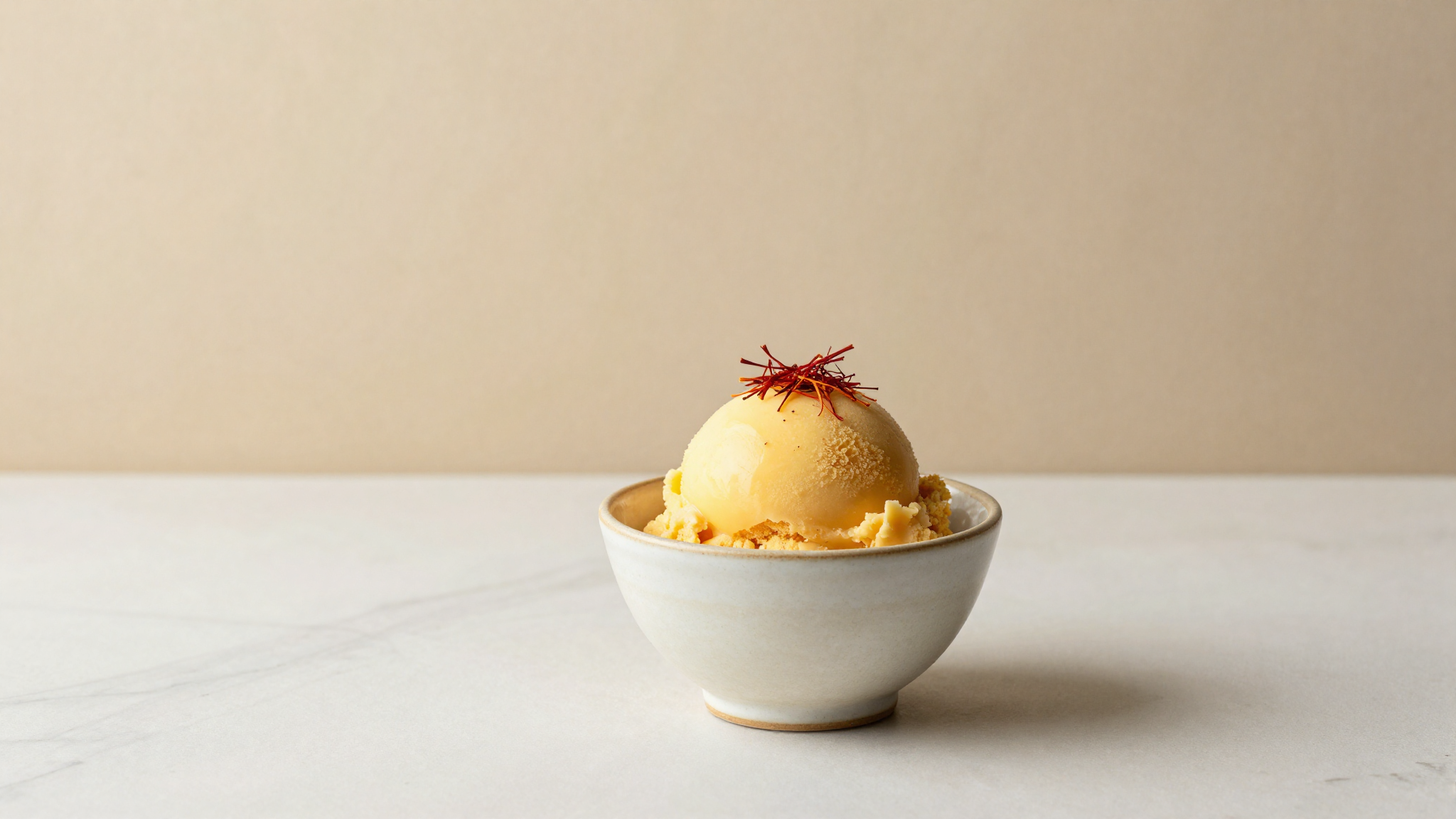
Honeyed and faintly medicinal, more perfume than sugar, riding on a yolk-thickened body that turns the whole scoop gold and keeps the scent going after the swallow.
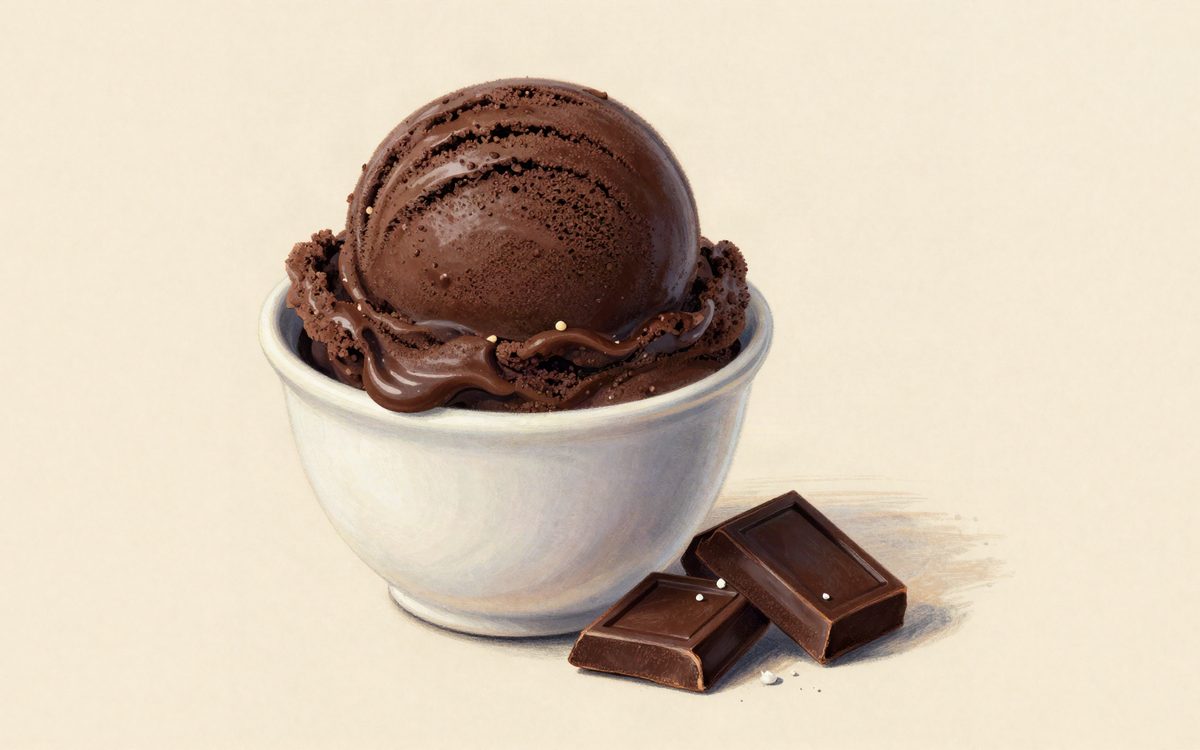
A saline edge runs under the cocoa from the first spoonful, rounding the bitterness, sharpening the sweetness and leaving a long, dry finish behind it.
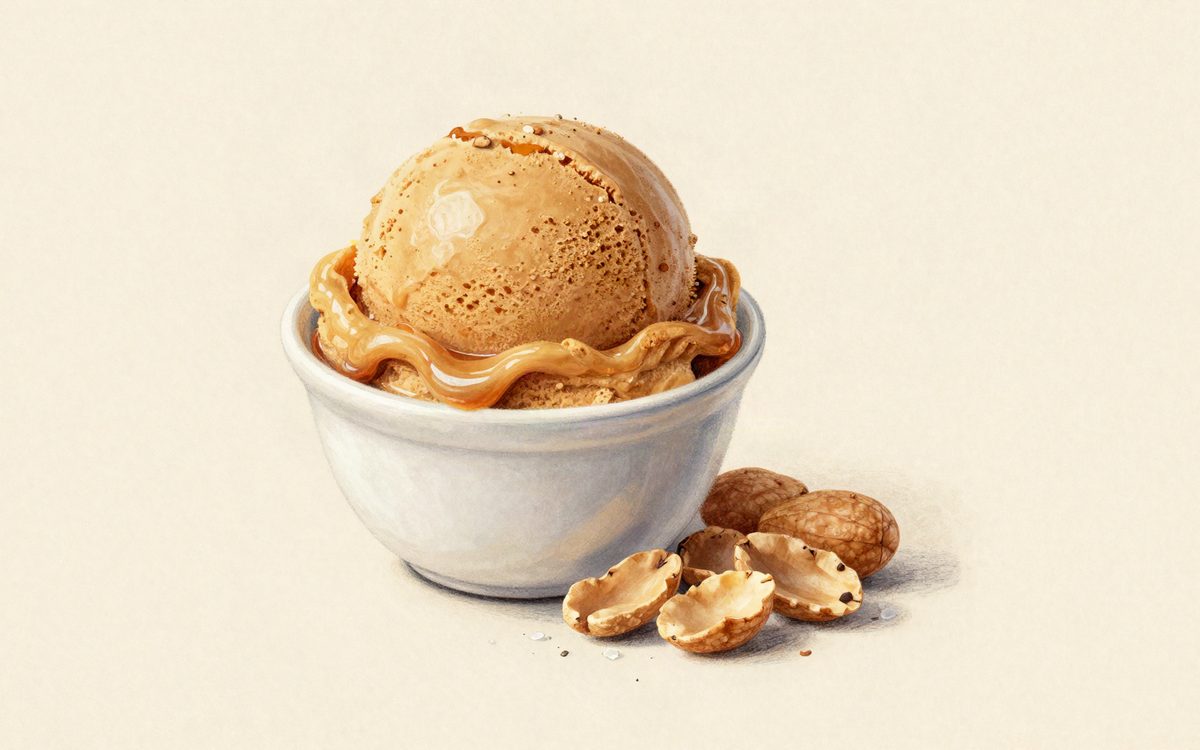
Three flavours land in order, roasted nut then caramel then salt, and the salt is what stops the sweetness from going flat halfway through.
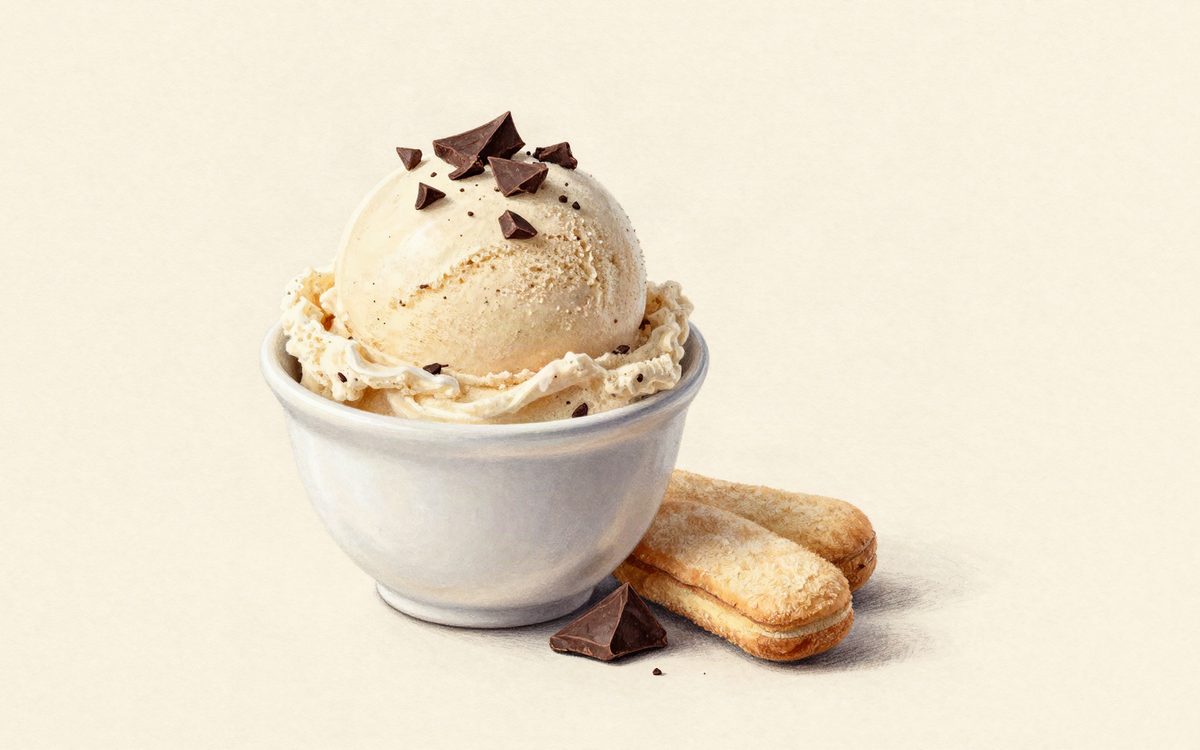
A savoury tang runs under the sweetness, orange peel and cinnamon just behind it, and chocolate and biscuit break the smoothness every second spoon.
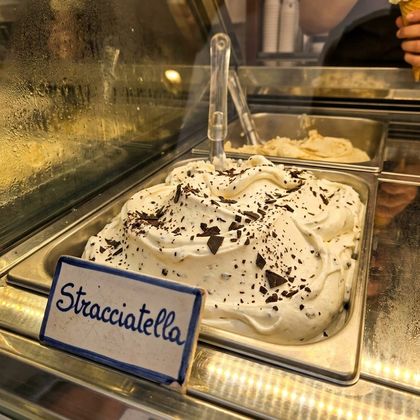
Plain sweet cream to begin with, then the flakes crack cold between the teeth and the cocoa turns up a beat behind the milk.
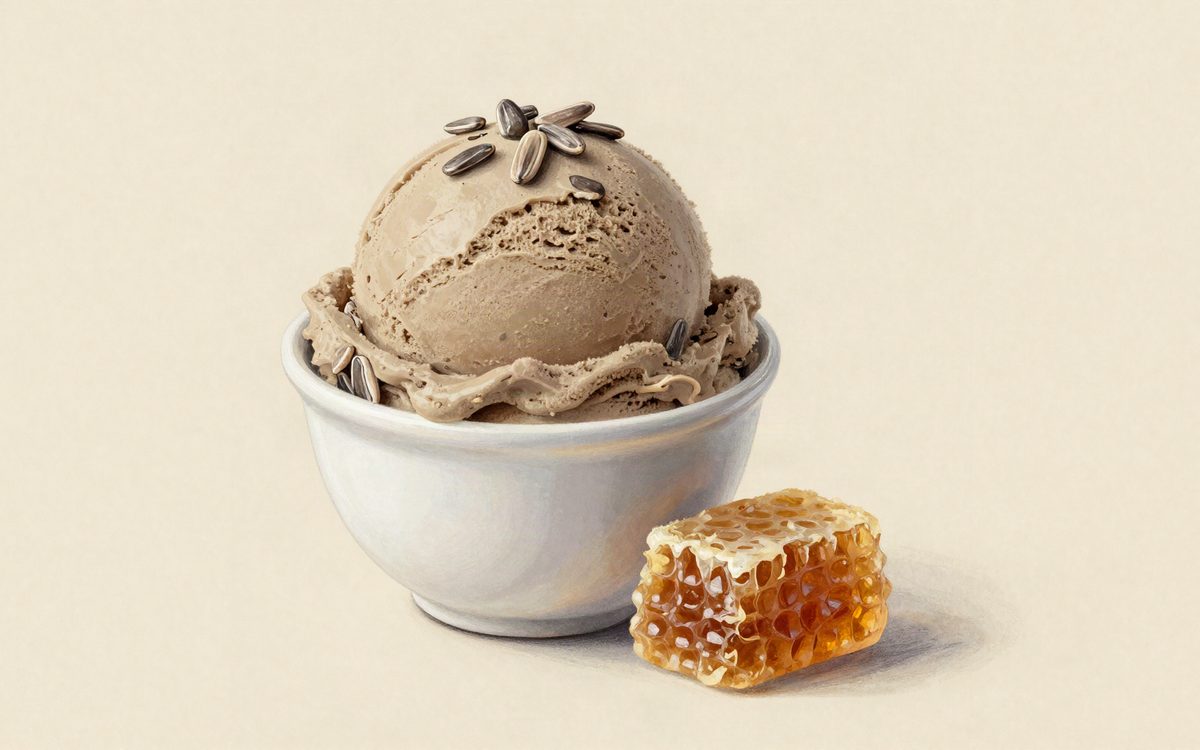
Toasted and savoury before it is sweet, with a honeyed edge lifting the bitterness and a body that stays soft rather than claggy on the palate.
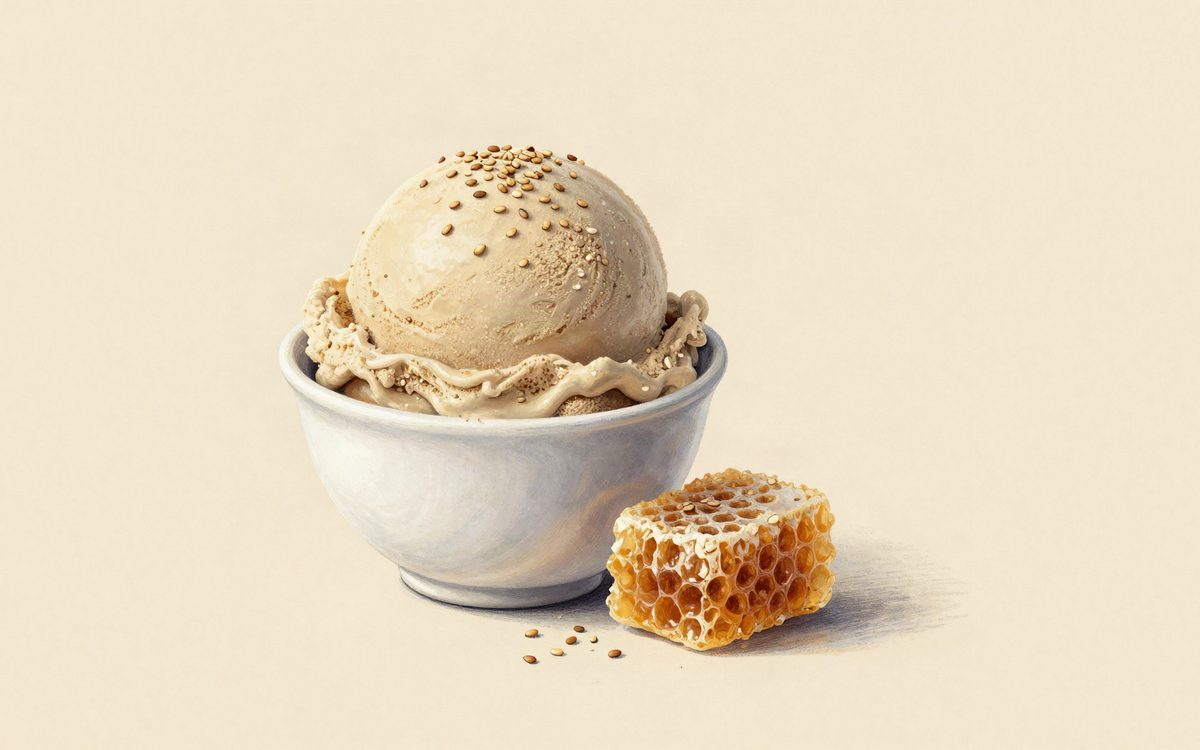
Sweetness arrives late, after a nutty and faintly savoury opening, and honey rounds off a toasted bitterness that stops just short of being too much.
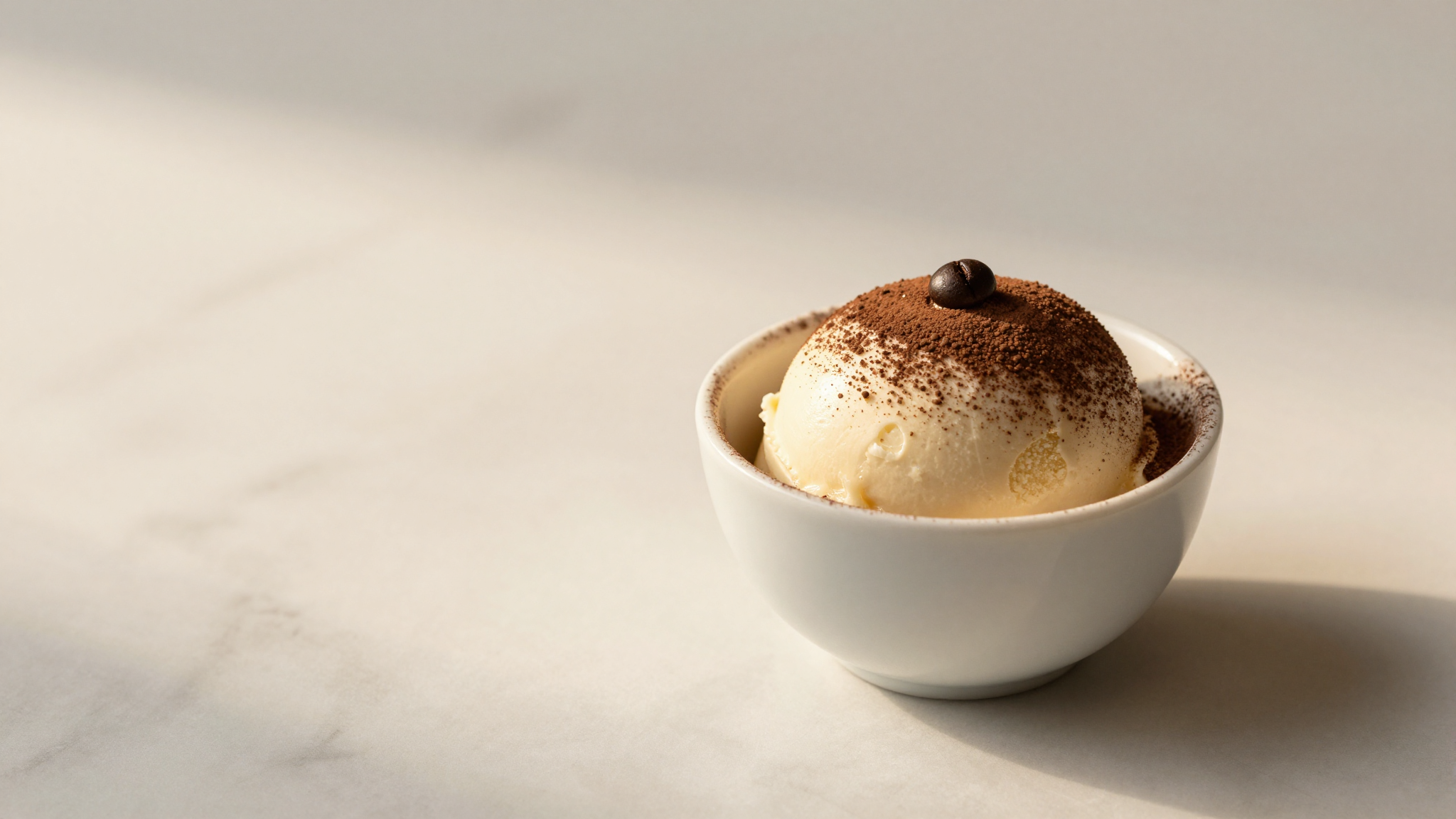
What lands first is bitter coffee and cocoa, then sweet cream, with softened biscuit thickening the body and an egg-rich weight that stays put.
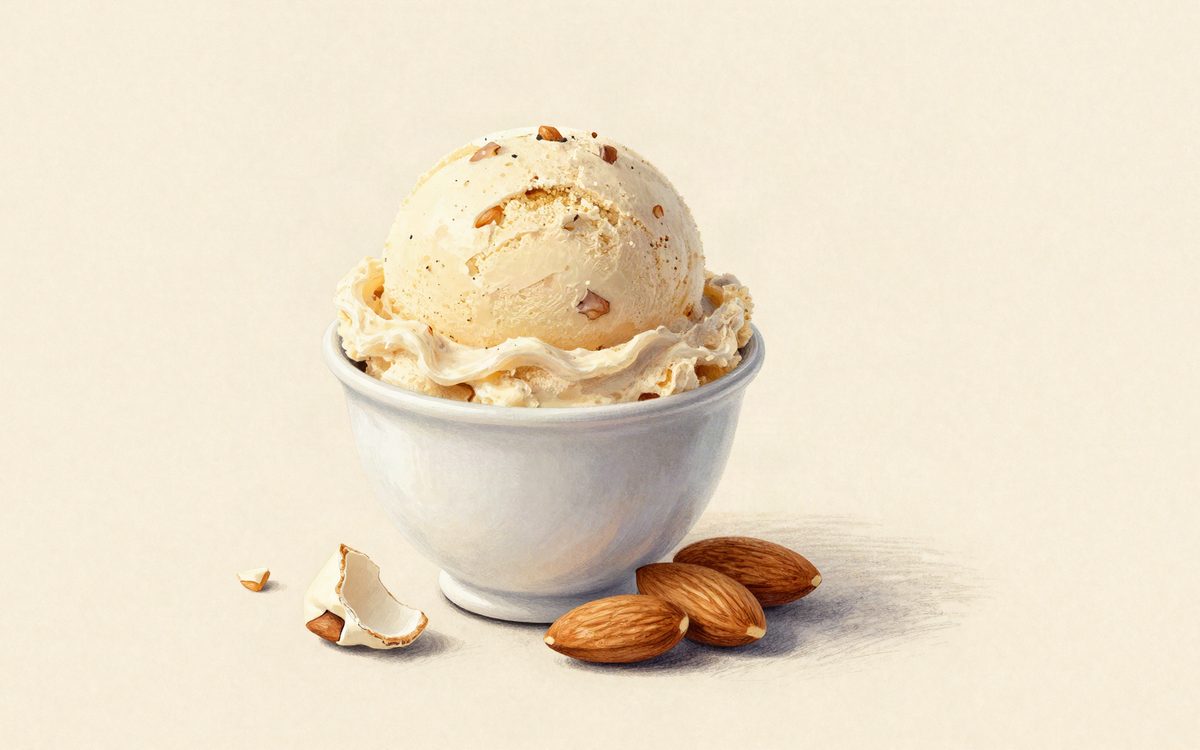
Sweet-shop aromas land first, honey and toasted nut over a dense milk base, and the finish runs long and faintly salted instead of turning sugary.
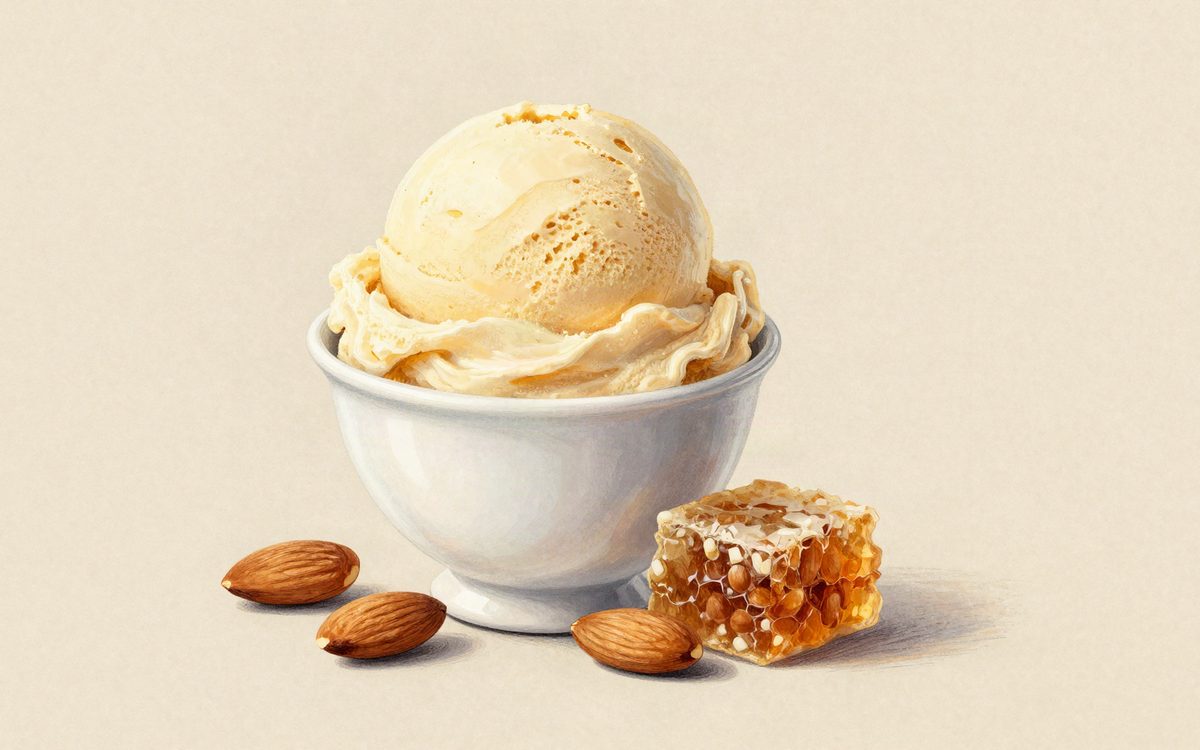
Frankly sweet, opening warm and honeyed before toasted almond takes over the middle, with a dense, slow-melting body that keeps the nut going.
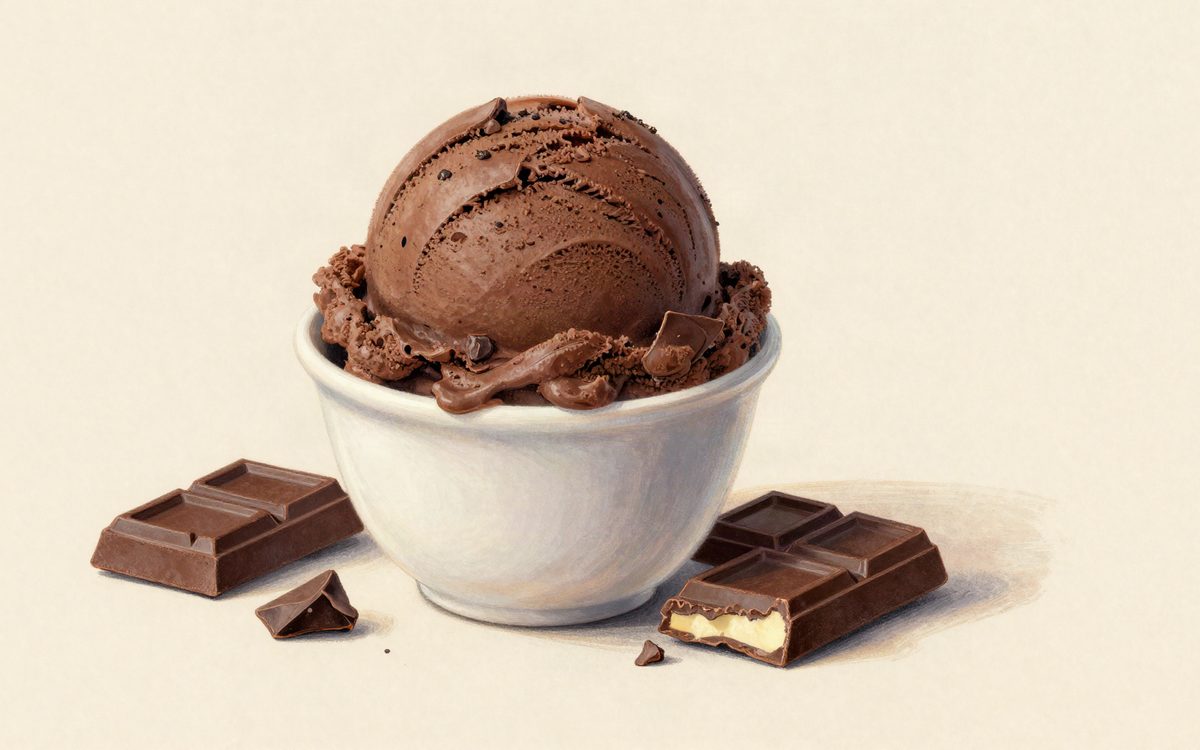
Bitterness leads, a milky caramel middle follows, and cocoa butter closes it, drier and less sweet on the finish than any single bar would leave you.
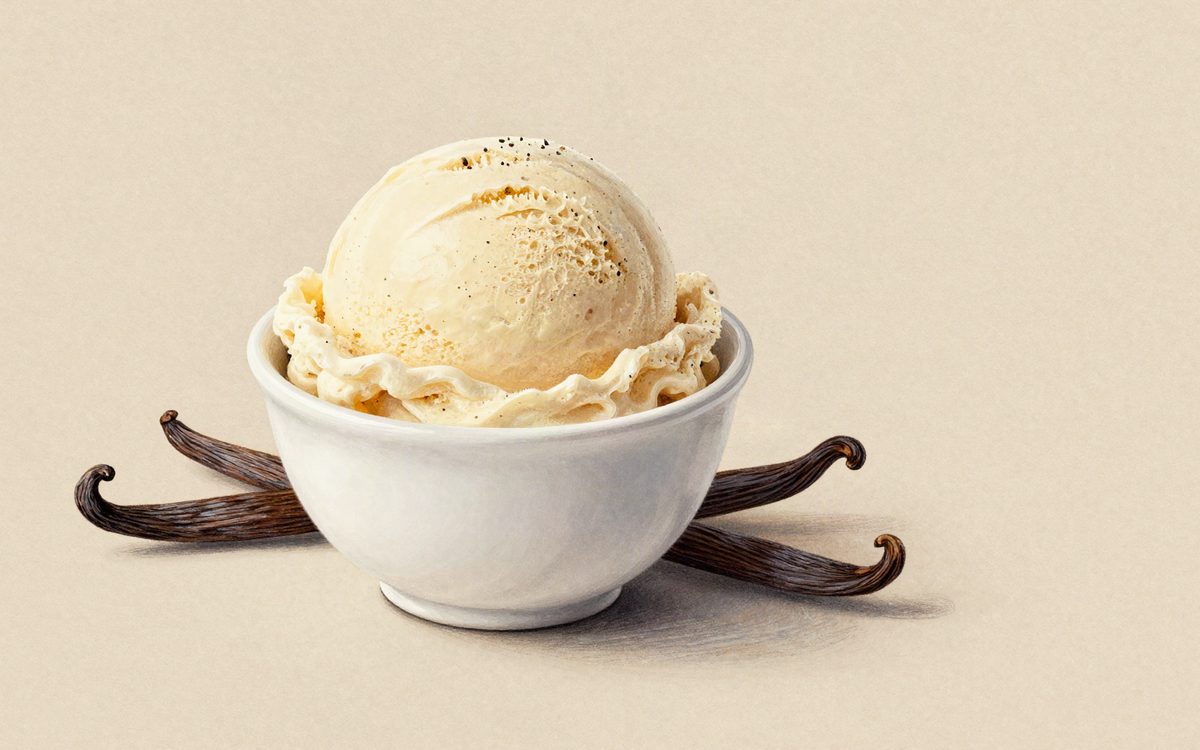
Rounded and warm, the seed's smoky floral depth showing up before the sweetness does, with a soft eggy body that finishes clean rather than rich.
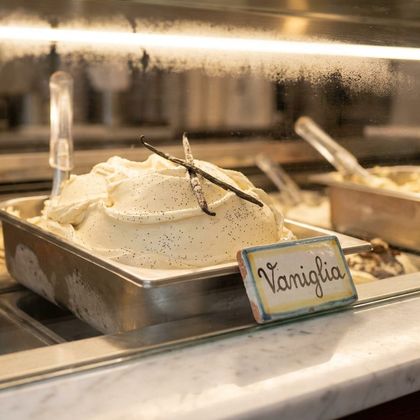
Flecked through with seeds, it eats dense and clean, floral warmth arriving with a faint boozy lift and holding on well past the cold.
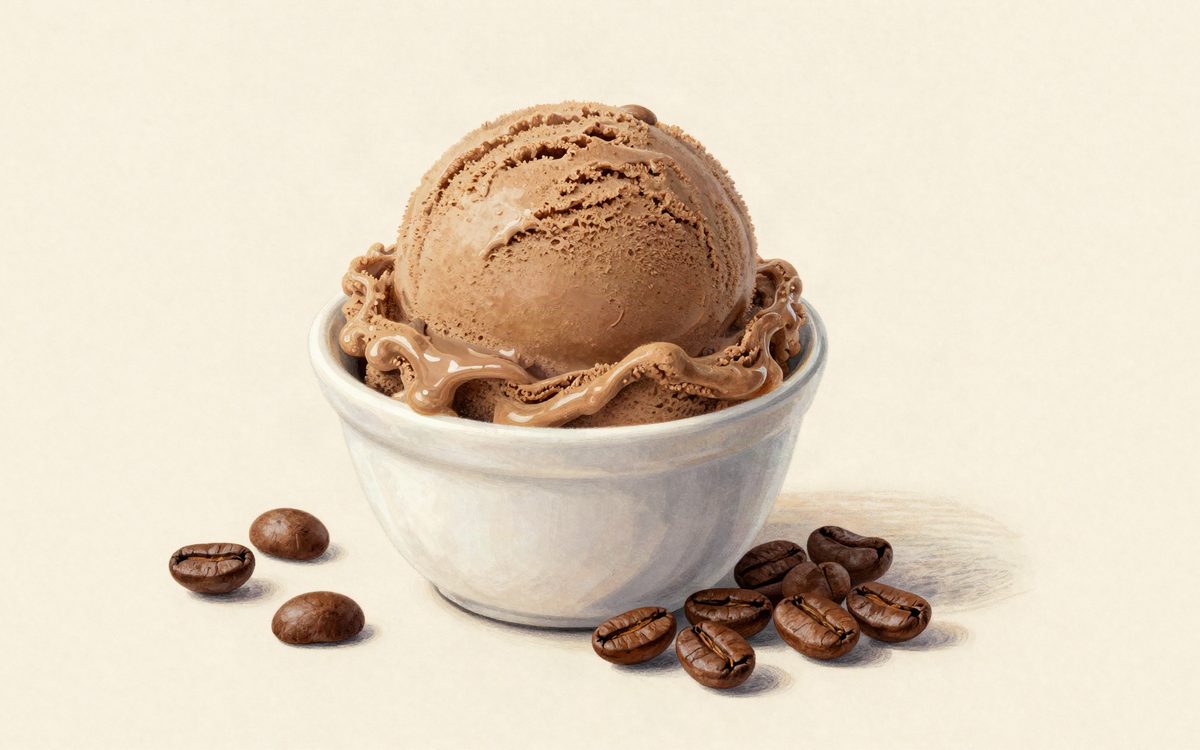
Built on condensed milk instead of sugar, it reads bitter and sweet at once, thick and slow to melt, and the roast keeps going after the sweetness settles.
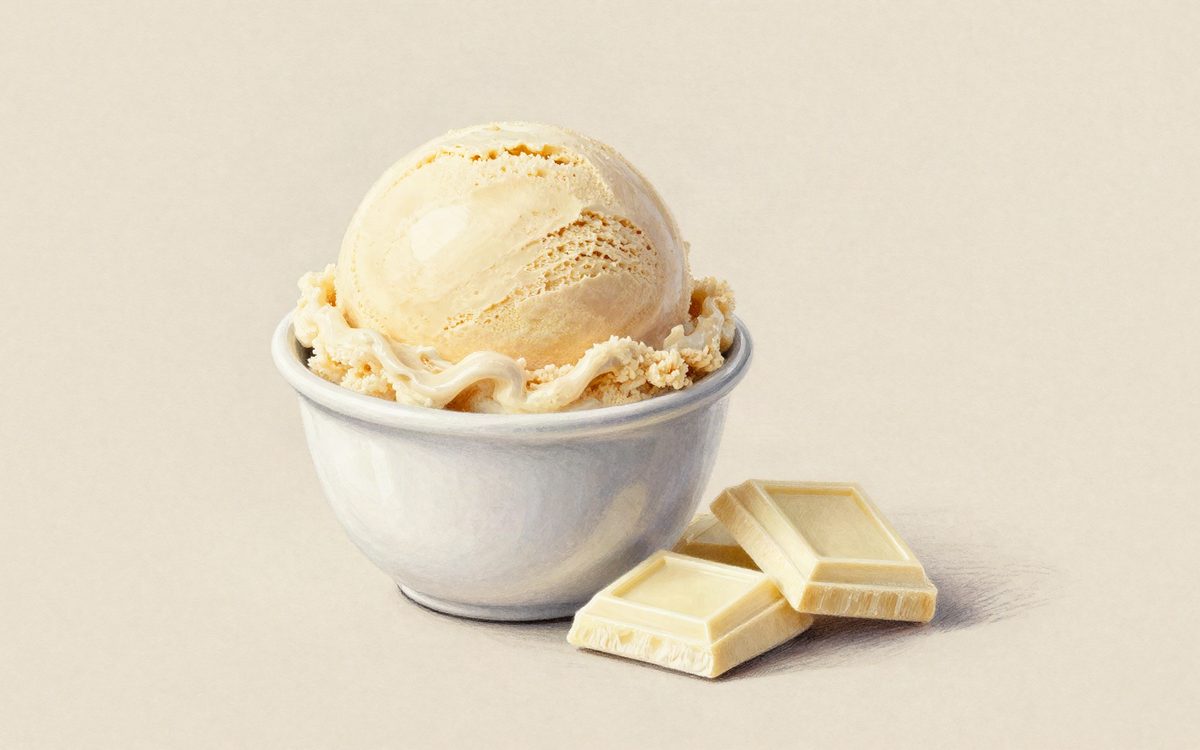
Buttery sweetness fills the mouth first, vanilla lifts it, and a deliberate pinch of salt supplies the contrast that a bar with no cocoa bitterness cannot.

A balanced milk base at 36.7 percent solids, a cold jasmine infusion that runs during maturation, and the species rule that keeps it safe. Weights included.

Toasted buckwheat infused into milk, honey capped at a quarter of the sugars. The full 1000 g recipe with balance sheet, method and troubleshooting.

Browned milk powder gives caramel and nut flavour with no caramel and no nuts. The Maillard science, the lactose ceiling, and a full 1000 g gelato formula.

Ube gelato recipe at 18% steamed purple yam, PAC 25, POD 17. The full 1000 g formula, plus the starch and anthocyanin math behind the color and the body.

A 1000 g dulce de leche gelato balanced at 37.3 percent solids. Full recipe, the lactose trap that ruins it, method, variations and troubleshooting.

Burnt honey gelato recipe with a balanced sugar blend: how to caramelize the honey, why it is hard to balance, and a 1000 g mix that scoops clean.

A fully balanced brown butter gelato recipe. Strained beurre noisette is 99% fat, so the base is built around it. Full formula, method and troubleshooting.

Miso caramel gelato turns salted caramel savoury with umami and salt from white miso. A balanced, scoopable recipe with grams, method, and targets.

Make deep, nutty black sesame gelato at home. Toast the seeds, grind the paste, and balance its high fat for a smooth slate-grey Italian scoop.

Make salted caramel gelato that scoops clean. Full gram recipe, method and the balancing logic that keeps caramel from freezing hard or tasting flat.

Make a fragrant Persian-style rose water gelato on a balanced white base. Add the rose water cold so the delicate floral aroma survives the freeze intact.

Fold Verona's golden Christmas cake into a soft festive gelato. A balanced pandoro formula that controls fat, sugar, starch and total solids.

How to make affogato al caffè: choose the right gelato, pull a proper espresso, and master the hot-cold contrast behind Italy's two-ingredient dessert.

Gelato al Malaga, the Italian classic: macerate the raisins in dark rum and balance the alcohol so your rum raisin gelato stays soft and scoopable.

Panettone gelato recipe — fold candied-fruit panettone cubes into a marsala-laced crema base, with the PAC and POD math that keeps it scoopable.

Cassata siciliana reinvented as Sicilian gelato — sheep ricotta, candied citrus, Bronte pistachio plus full balance, PAC and POD math for pros.

Pro zabaione gelato recipe with Marsala, balanced PAC math and Italian yolk technique. Targets, sensory notes and full step-by-step procedure.
Fruit brings water, sugar and acid into a milk base. Each recipe here rebalances sugars and solids for what that fruit actually contains, instead of stirring puree into a white base and hoping.
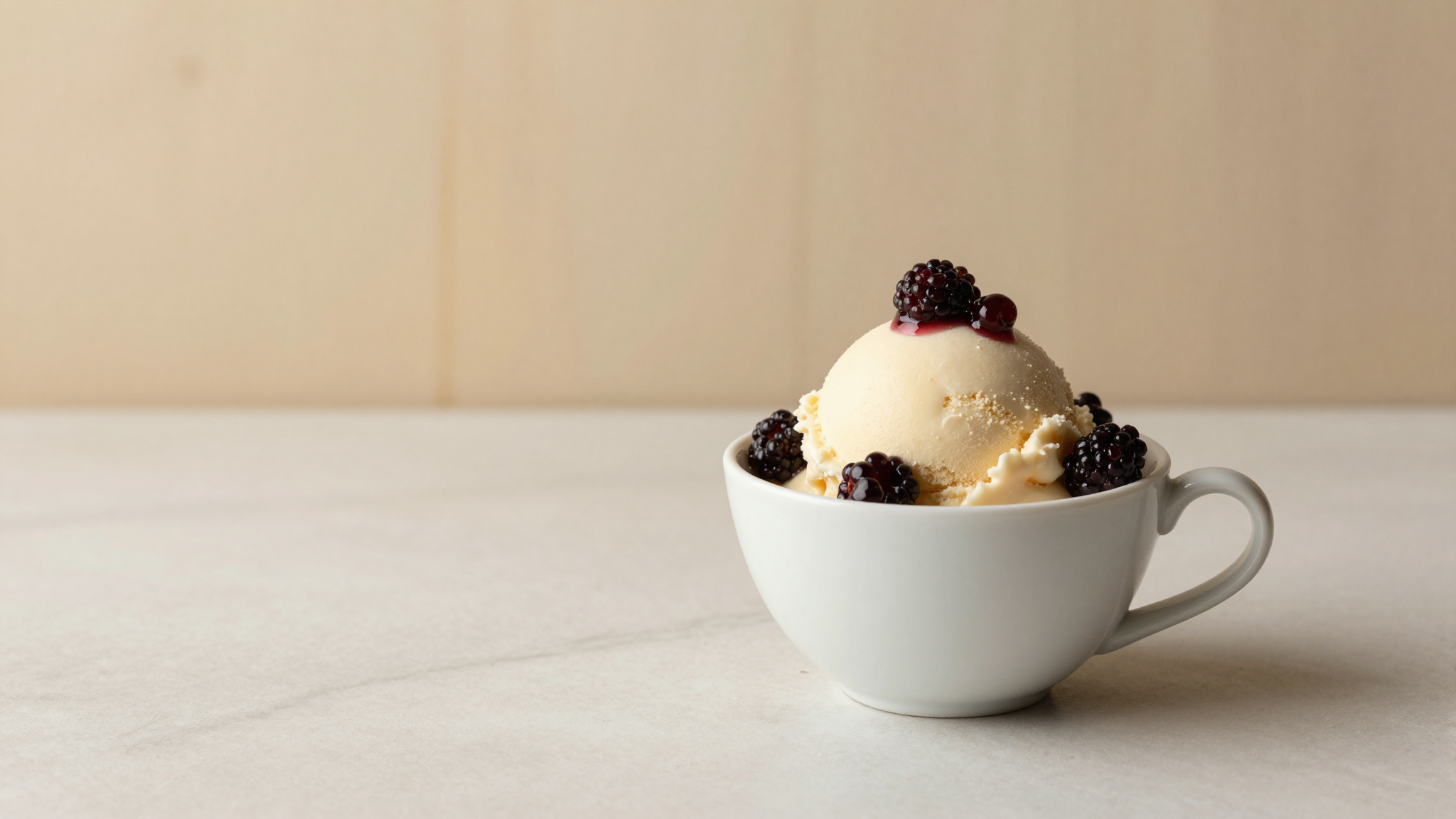
Sweet-sour dark fruit runs through a plain milk base, cool and slightly chewy where the pieces sit, with a tart edge that stops the syrup from cloying.
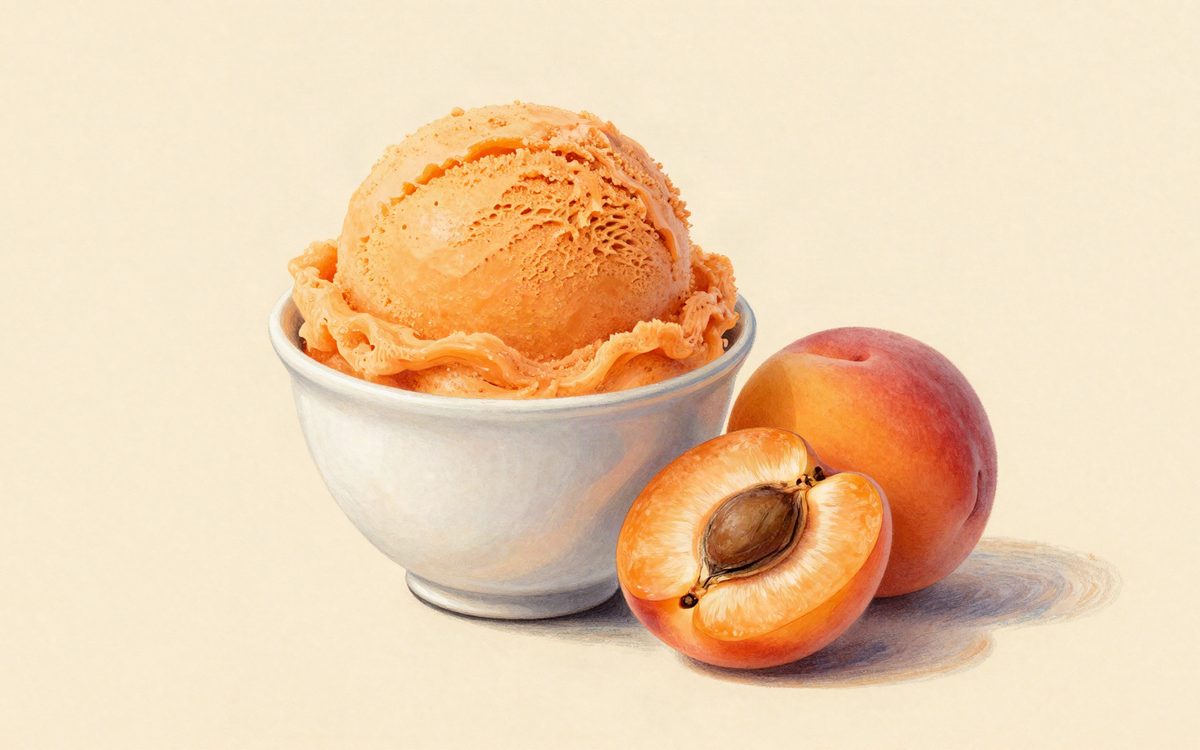
Soft fresh acidity leads, the fruit fills out into something creamy and warm, and the tartness comes back at the end so nothing sits heavy on the palate.
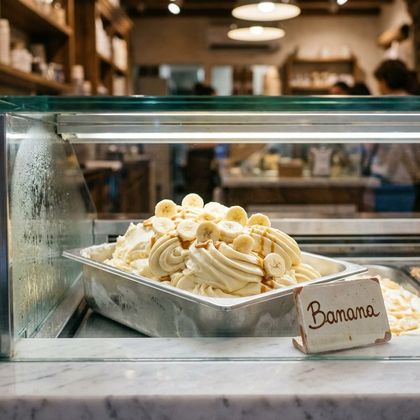
The scoop melts slowly and lands somewhere between baked fruit and custard, sweet and dense, with the flavour deepening as it warms on the tongue.
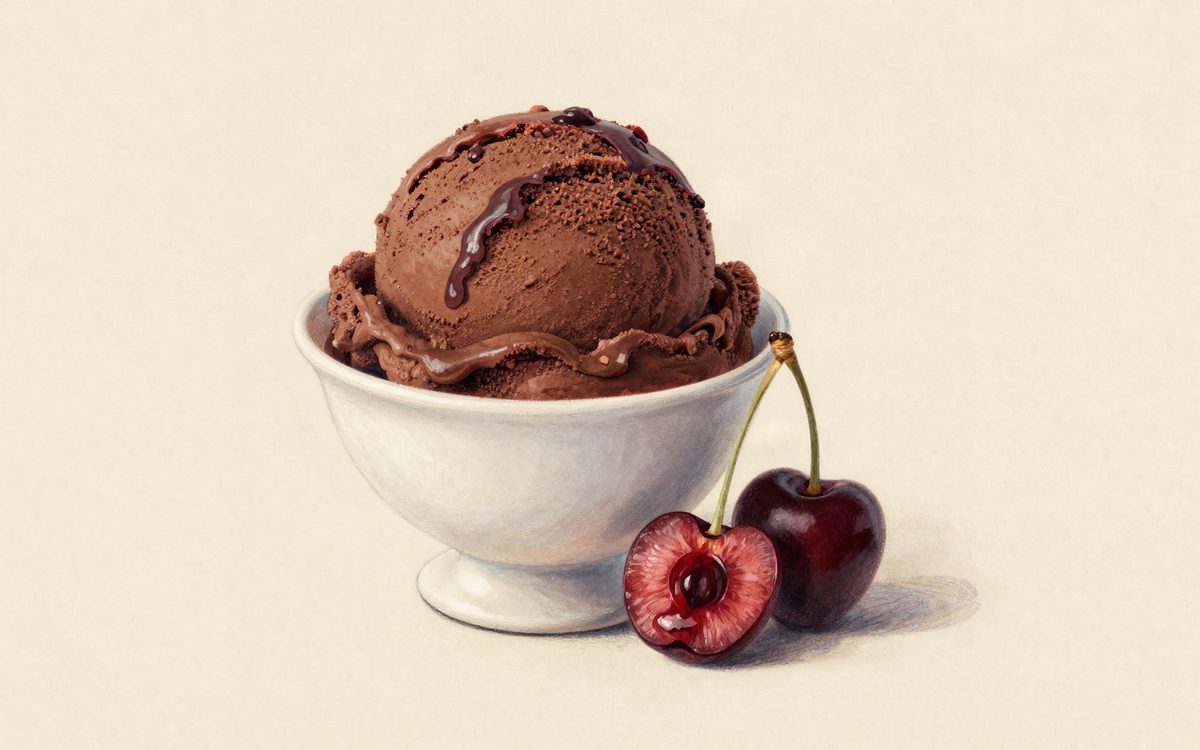
Dark and dry at the start, then the fruit cuts through it, sour on one edge and syrupy on the other, and it is the sourness that stays longest in the mouth.
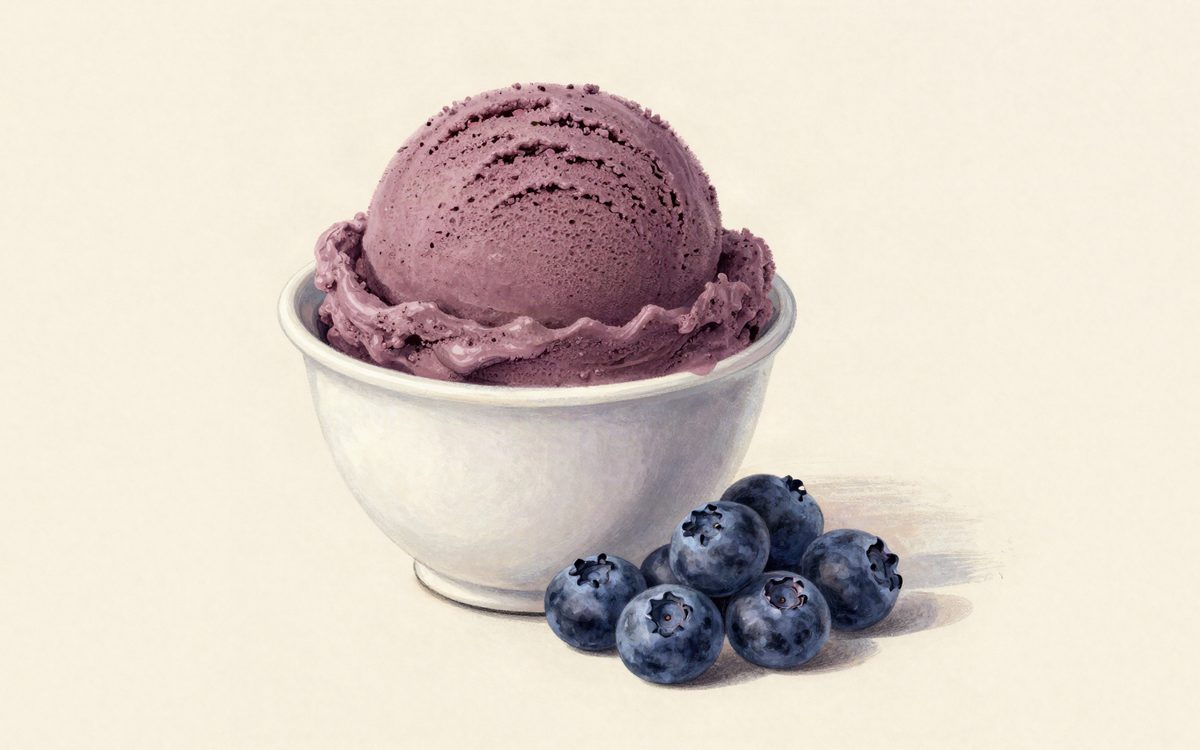
Purple and tart at the front, it turns creamy halfway through the spoon and leaves a faint skin tannin behind, less sweet than most dairy fruit gelati.
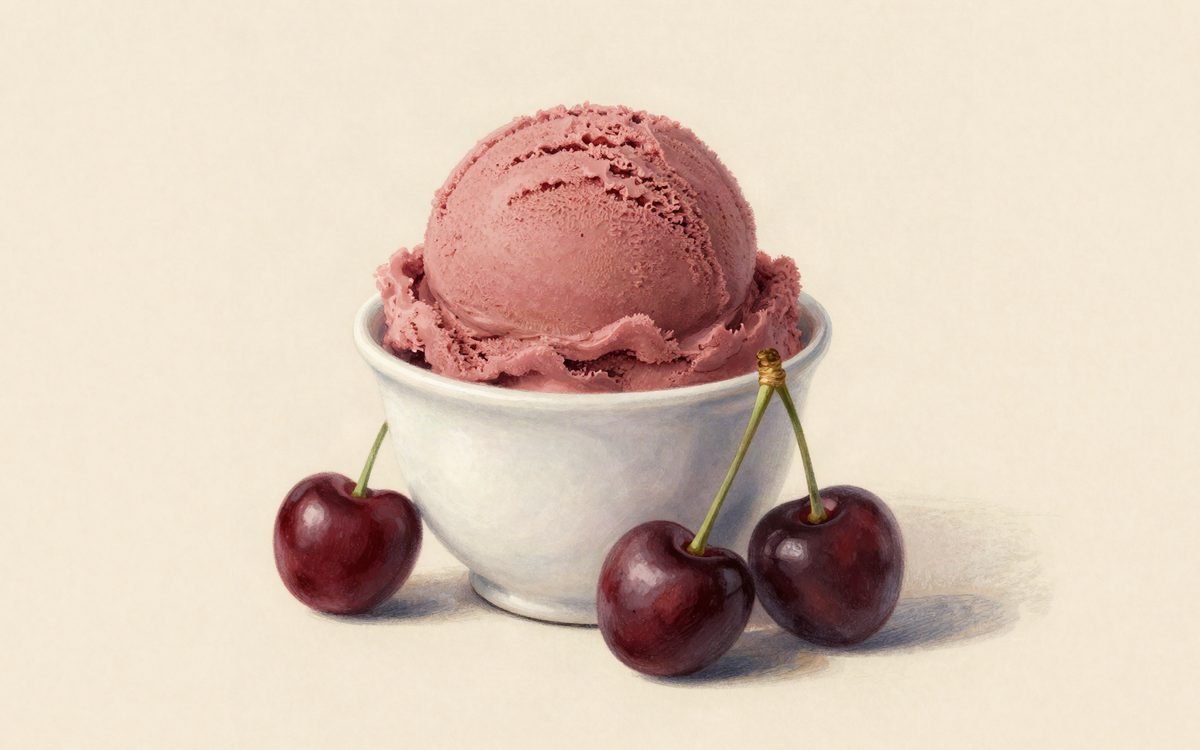
A tart, almond-edged fruit note cuts through soft milk, cold on the first spoon and still hanging on once the body has melted away.
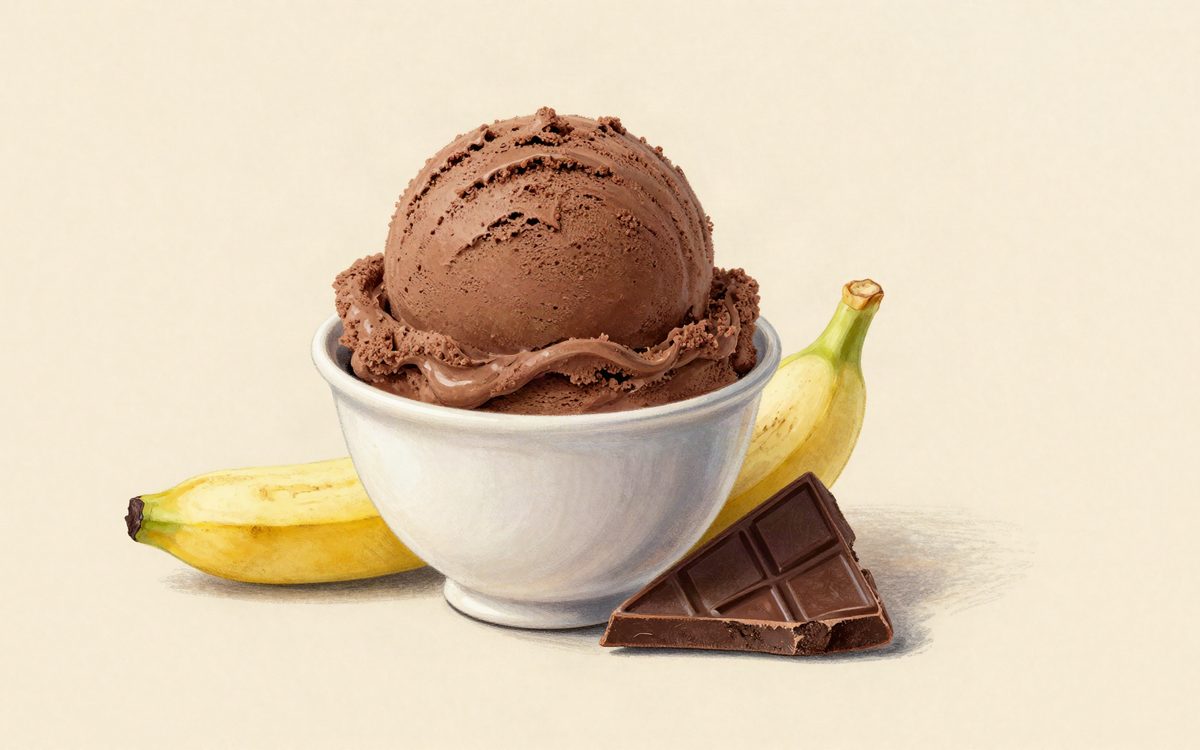
Ripe fruit reads first and cocoa closes: soft, dark and creamy, with the fruit never cooked, so what you taste stays fresh rather than jammy.
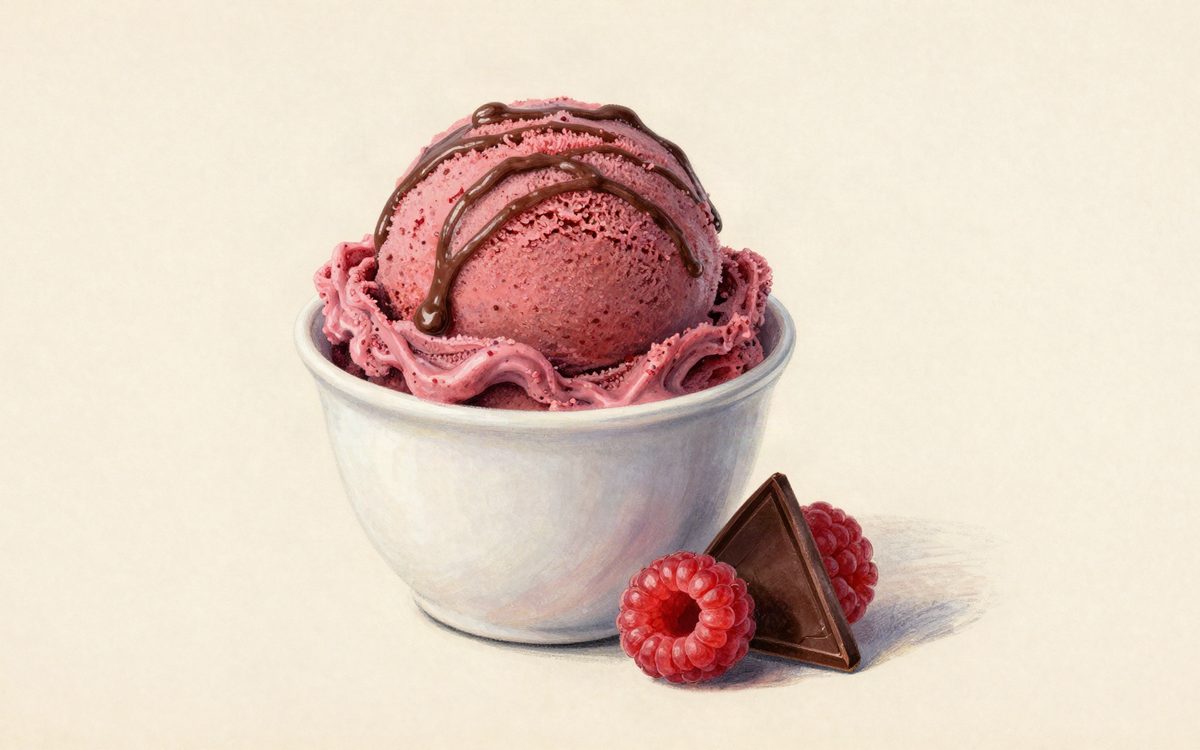
Tannin sits dark and low across the tongue while a sharp fruit acid cuts over the top, and the cold keeps both of them tight instead of syrupy.
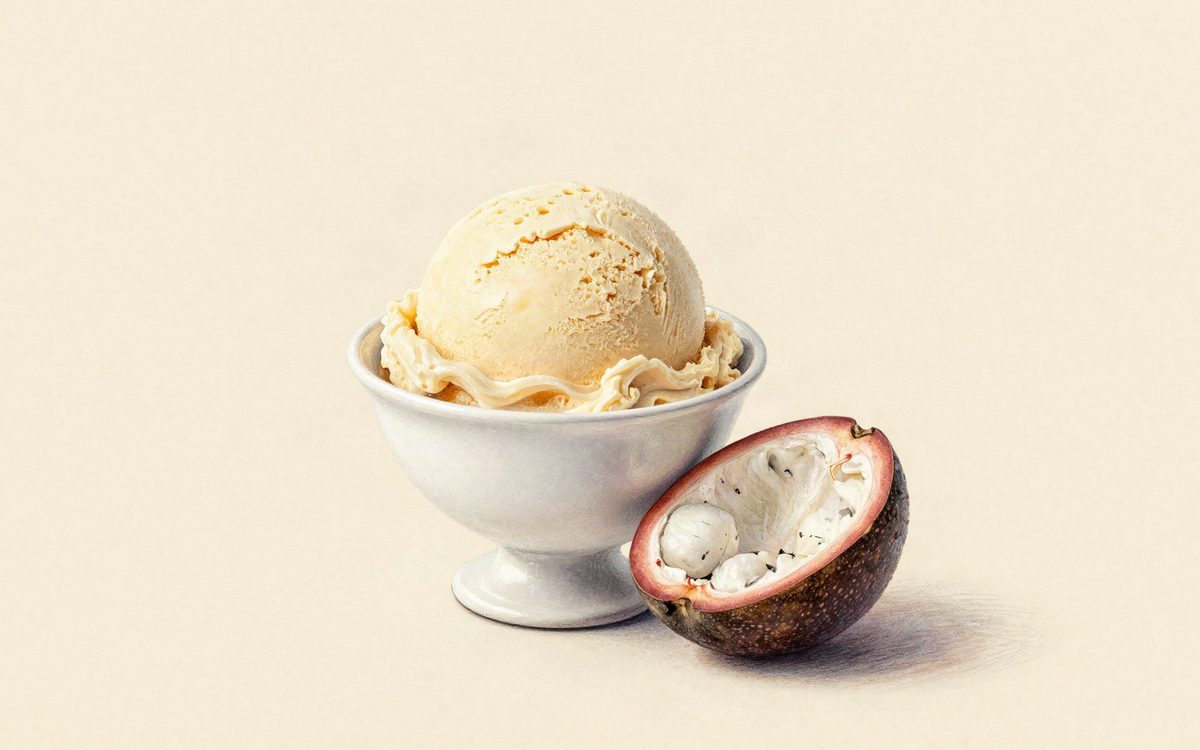
Sharp and tropical up front, then milk closes over it: a fruit gelato that stays bright and faintly sour under the cream, cold and long on the palate.
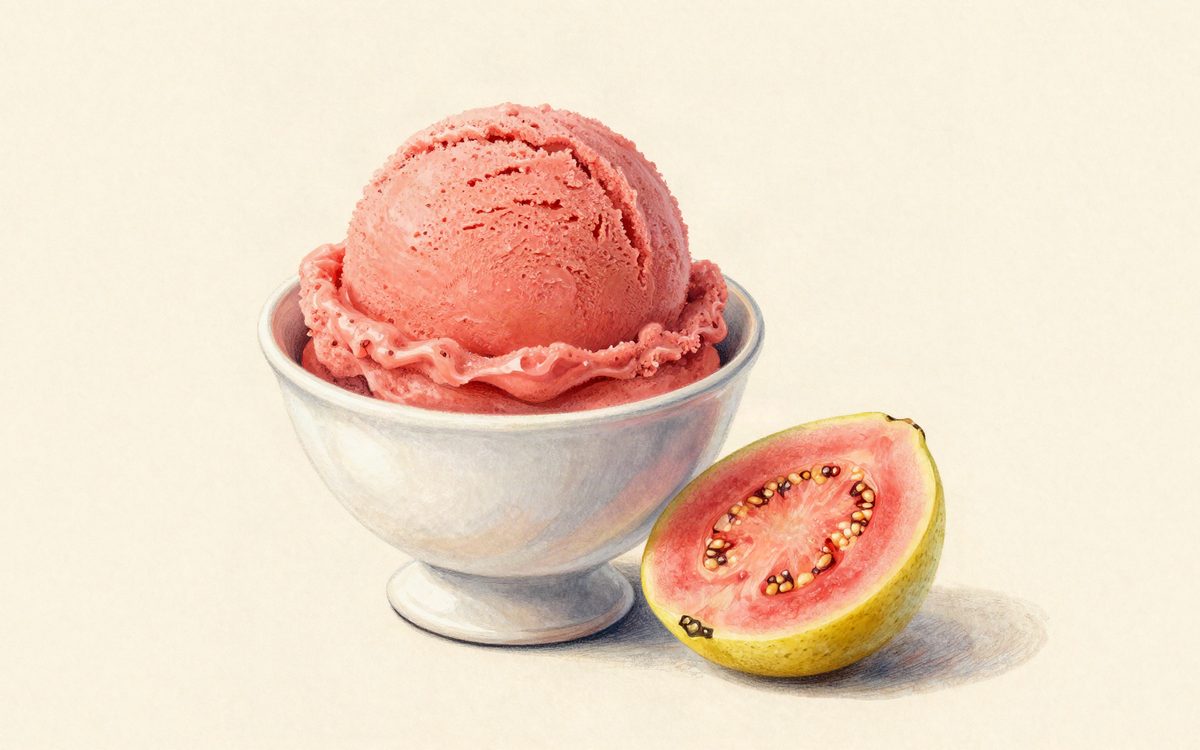
Perfumed and slightly resinous, more tropical than sweet, sieved smooth so nothing grits between the teeth, with a milky roundness that carries the scent past the swallow.
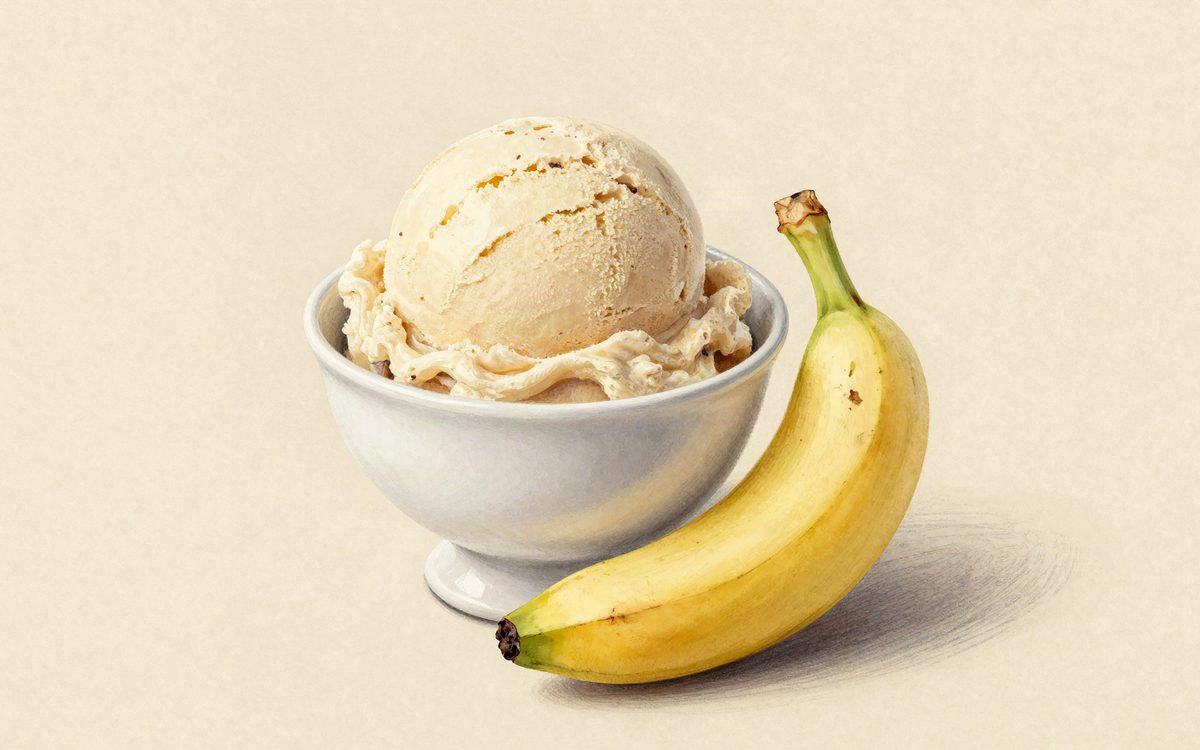
It eats thicker and colder than the blender version, sweet without tasting sugared, and the fruit turns almost caramelised as it warms on the spoon.
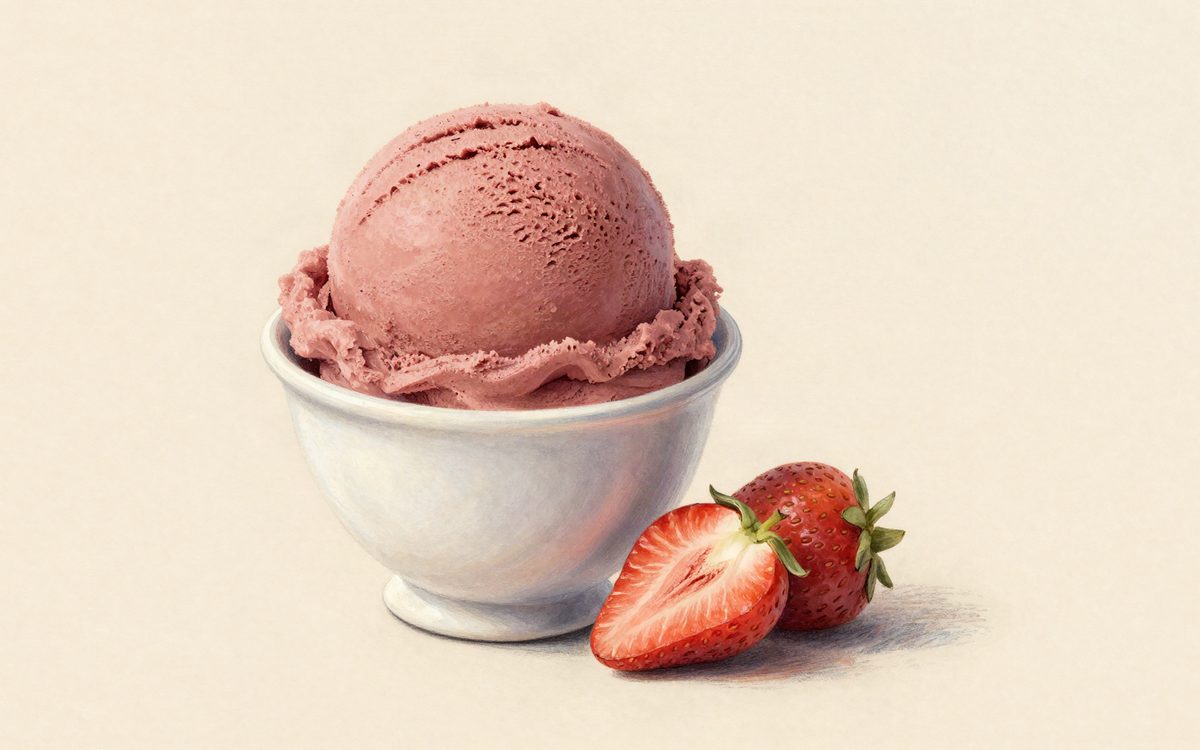
Bright, lean and very cold on the tongue, with ripe fruit aroma arriving late and a clean finish that stops short instead of coating the mouth.
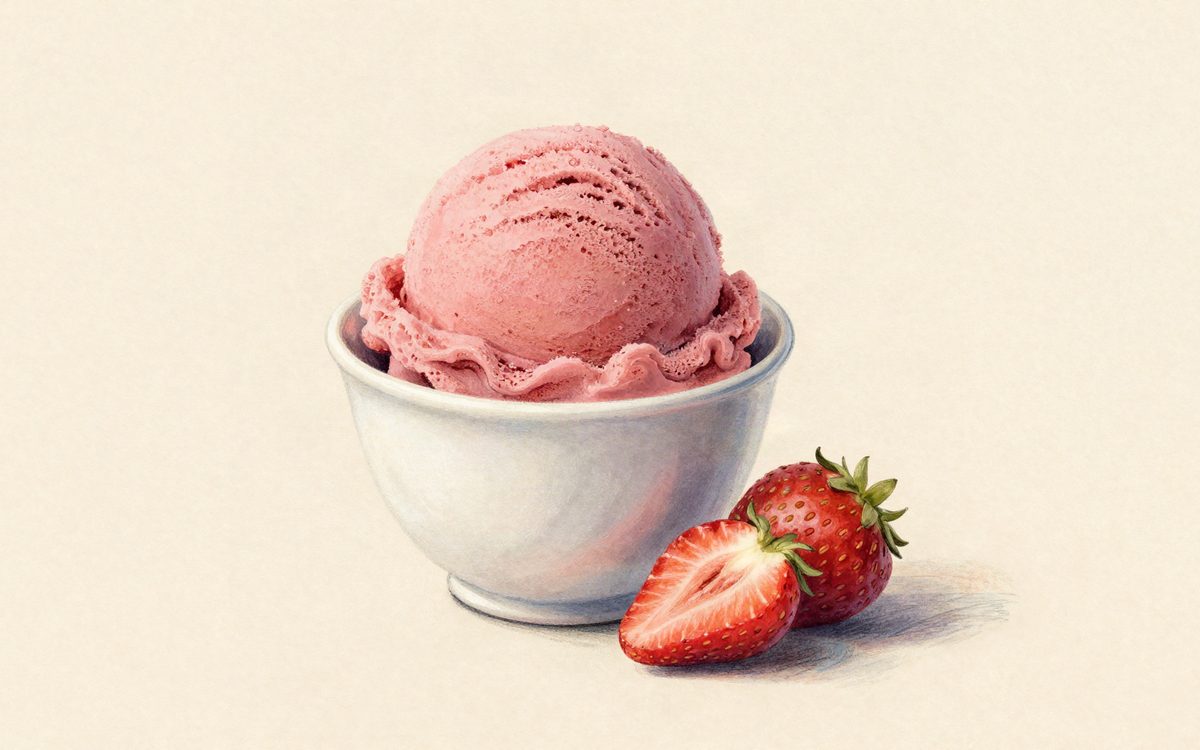
Scoops soft and eats light, with fruit acidity out in front and only a faint cooling trace where a long sugary finish would normally sit.
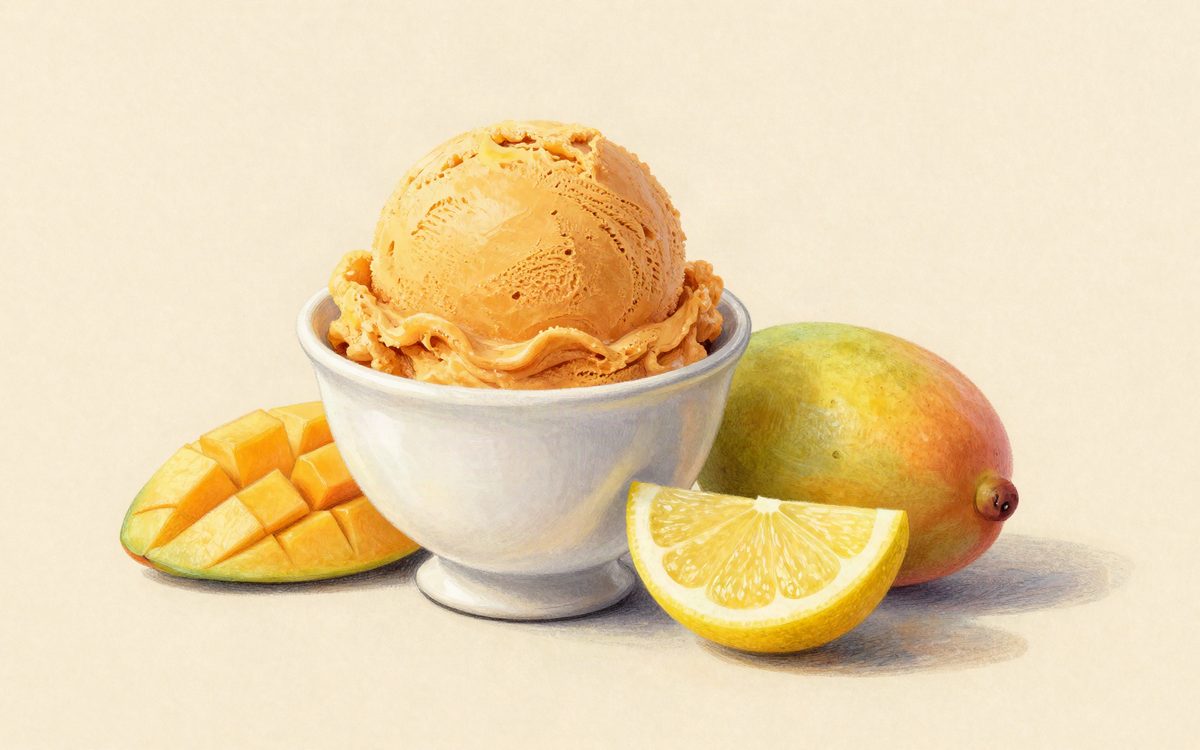
Ripe tropical fruit arrives first, then the dairy rounds it out and lemon cuts the finish, closer to a very cold custard than to a sorbet in the mouth.
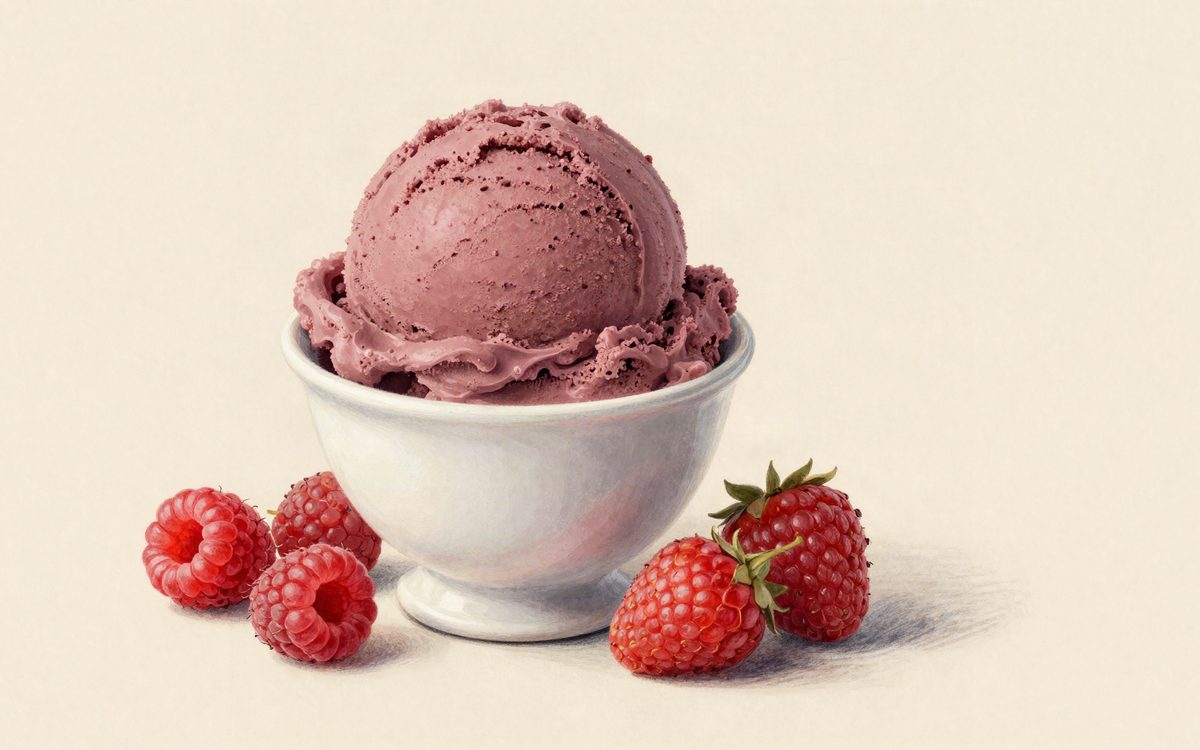
Acidity lands first and bright, the dairy catches it halfway through, and a red fruit sourness hangs about long after the spoon is empty.
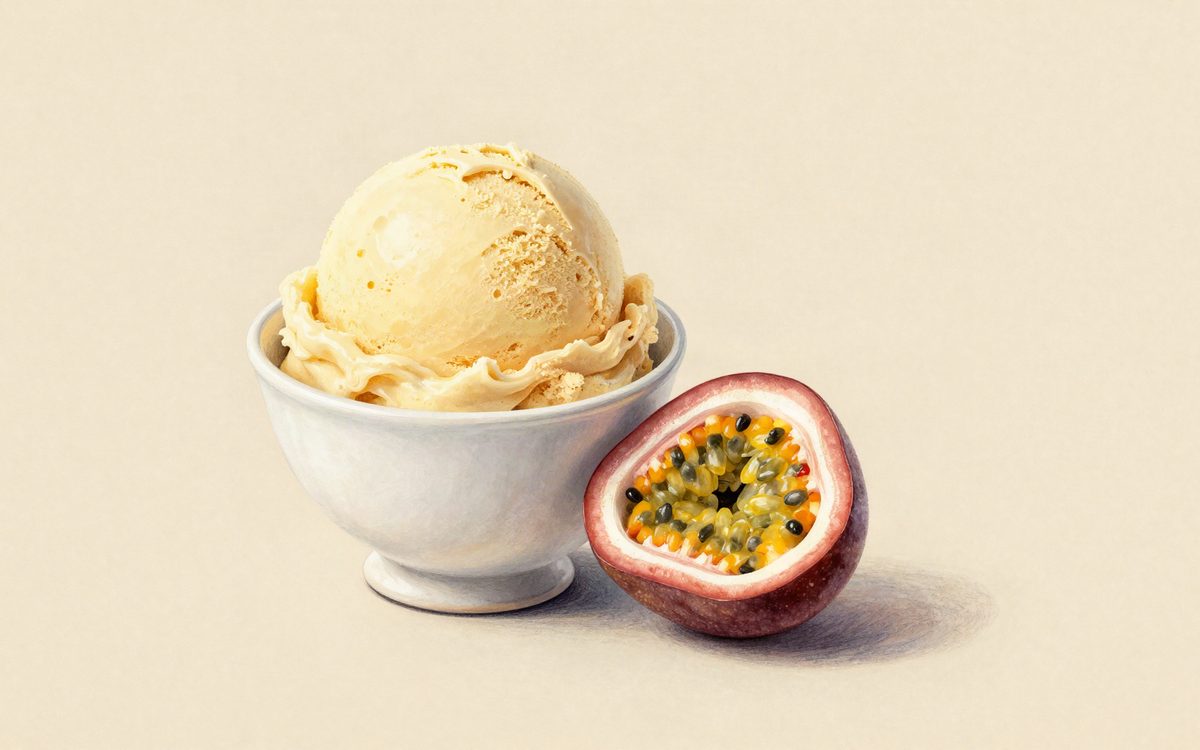
Tropical acid lands bright and floral over a cool milk base, tart through the middle, and the texture stays smooth all the way down with no grain in it.
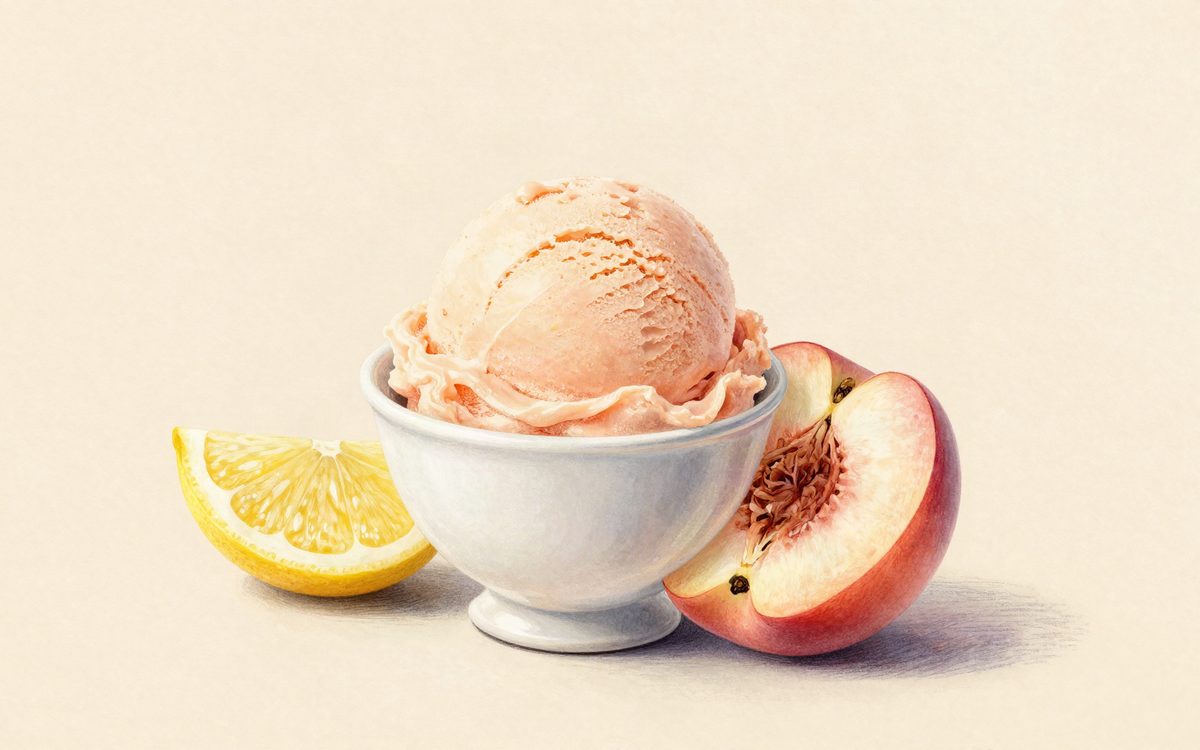
Soft and quietly floral, the sort of flavour that arrives late and fades gently, with just enough acidity to keep the fruit from disappearing under the cream.
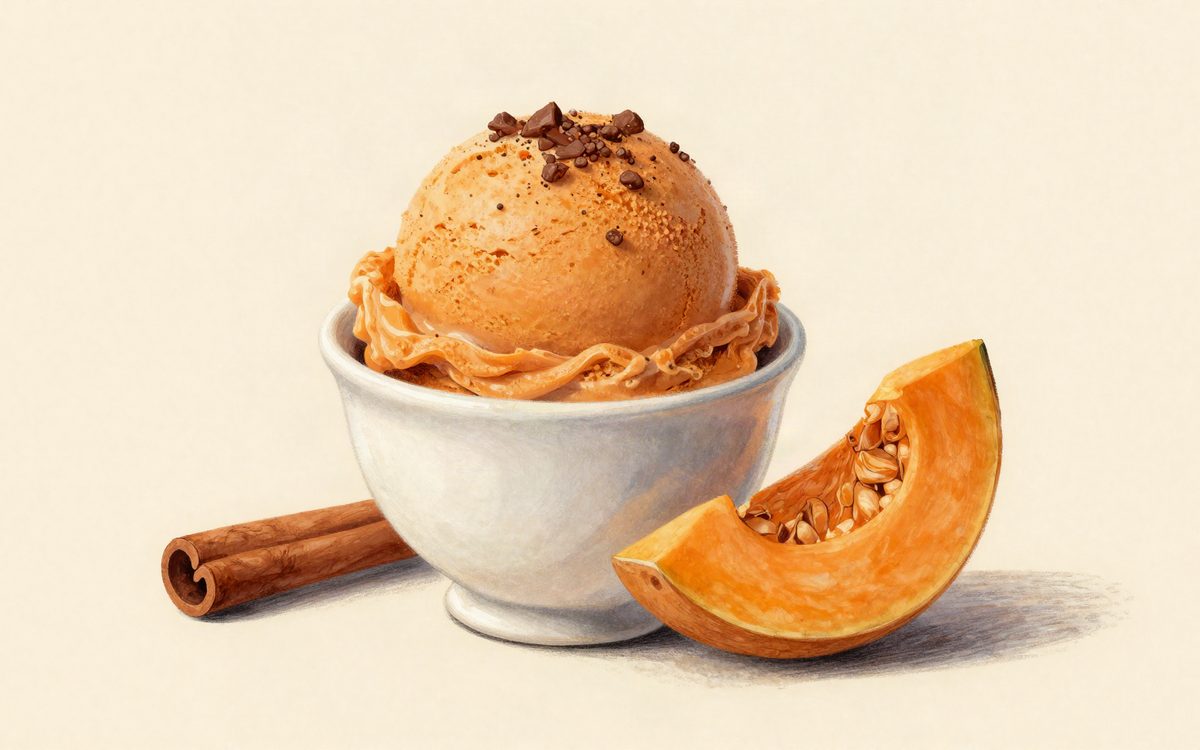
Round and creamy, it opens on baking spice, settles into something softly vegetal, and finishes on the dark edge of muscovado instead of plain sugar.
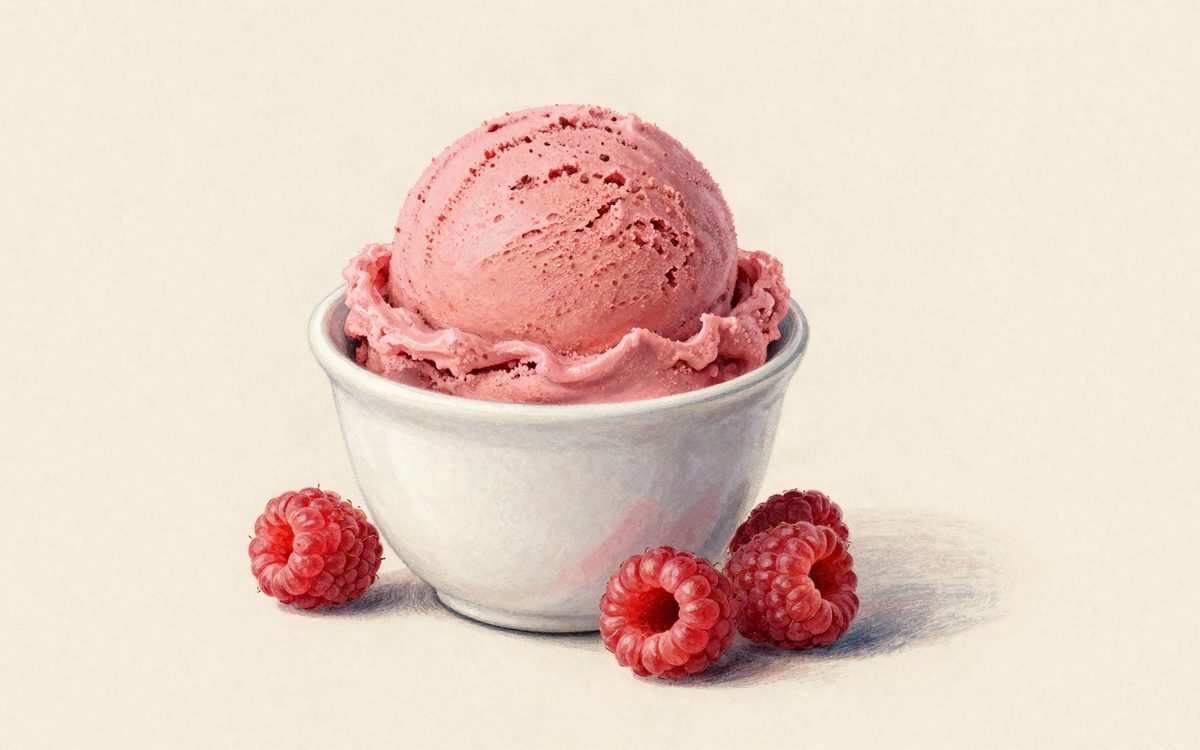
Tart before it is creamy, the fruit cutting across the milk instead of dissolving into it, with a quick clean finish and no lingering fat on the palate.
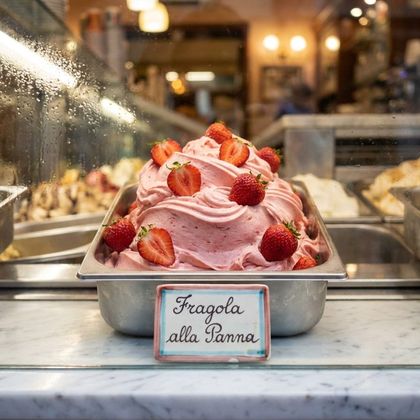
Fruit reads fresh and faintly tart rather than jammy, and the body stays soft and creamy on the spoon instead of setting hard into pink ice.
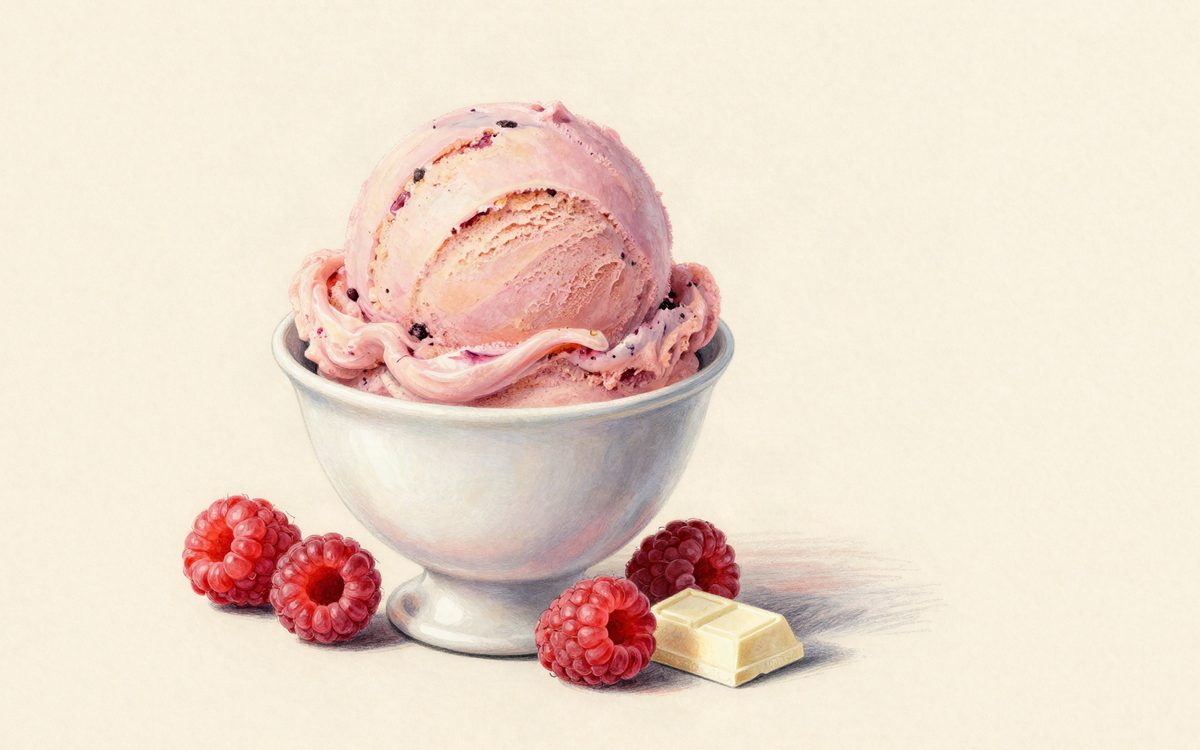
Sweetness comes first, then berry acid cuts across it, and the finish runs long and creamy with a tart edge that keeps it from cloying.

A balanced 1000 g sweet potato gelato formula, plus the slow roast that turns starch into maltose and keeps the finished base from setting hard.

Ripe figs and honey make a soft, floral gelato. Learn to balance their sugar and water against the milk base for a smooth, scoopable late-summer scoop.

Turn ripe late-summer figs into a balanced, honeyed gelato. A full recipe with grams, method, balance targets, and the acidity trick that makes fig sing.
Frozen yogurt here means the gelateria style: a milk base with a large share of yogurt, stirred in cold so the cultures and the fresh lactic tang survive. It carries more water and less fat than a milk gelato, 3 to 8% fat against 6 to 12%, and its own ranges account for that.
Expect sour before sweet, a thick body with no chalk in it, and a tang that stays put long after a vanilla of the same weight would have gone quiet.
The tang lands first and does not let go: lean on the tongue, cold, lifted at the front by citrus and long on lactic sourness at the end.

Buttermilk gelato with real cultured tang: why the base curdles the moment it meets heat, how to reach 7 percent fat from 1 percent milk, and the pH to hold.

Turn fermented kefir into tangy, scoopable gelato. The balanced formula, the cold-mixing method that protects cultures and casein, plus variations and fixes.
Sorbetto has no dairy at all: fruit, water, sugars and a stabilizer. With only sugar to set the texture, PAC and POD decide everything, and every recipe is tuned for a freezer at -18 C.
Clean, cold and tasting of raw fruit instead of cooked, it finishes without the gritty ice that home-made fruit sorbetto usually leaves on the spoon.
Sharp and cold on the first spoon, then the stone-fruit perfume opens up as it softens, finishing tart and clean with no dairy weight behind it.
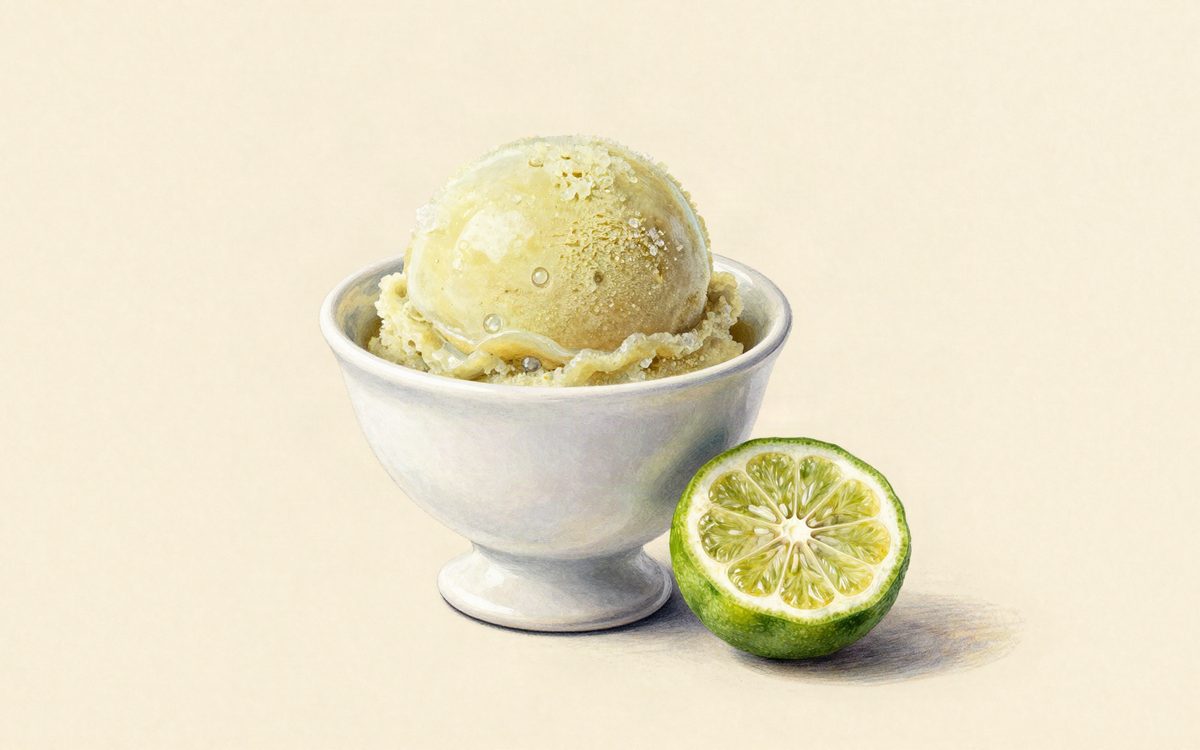
Perfumed first, then a controlled bitterness, with clean lemon acidity holding it upright and an Earl Grey aroma that stays long after the cold has gone.
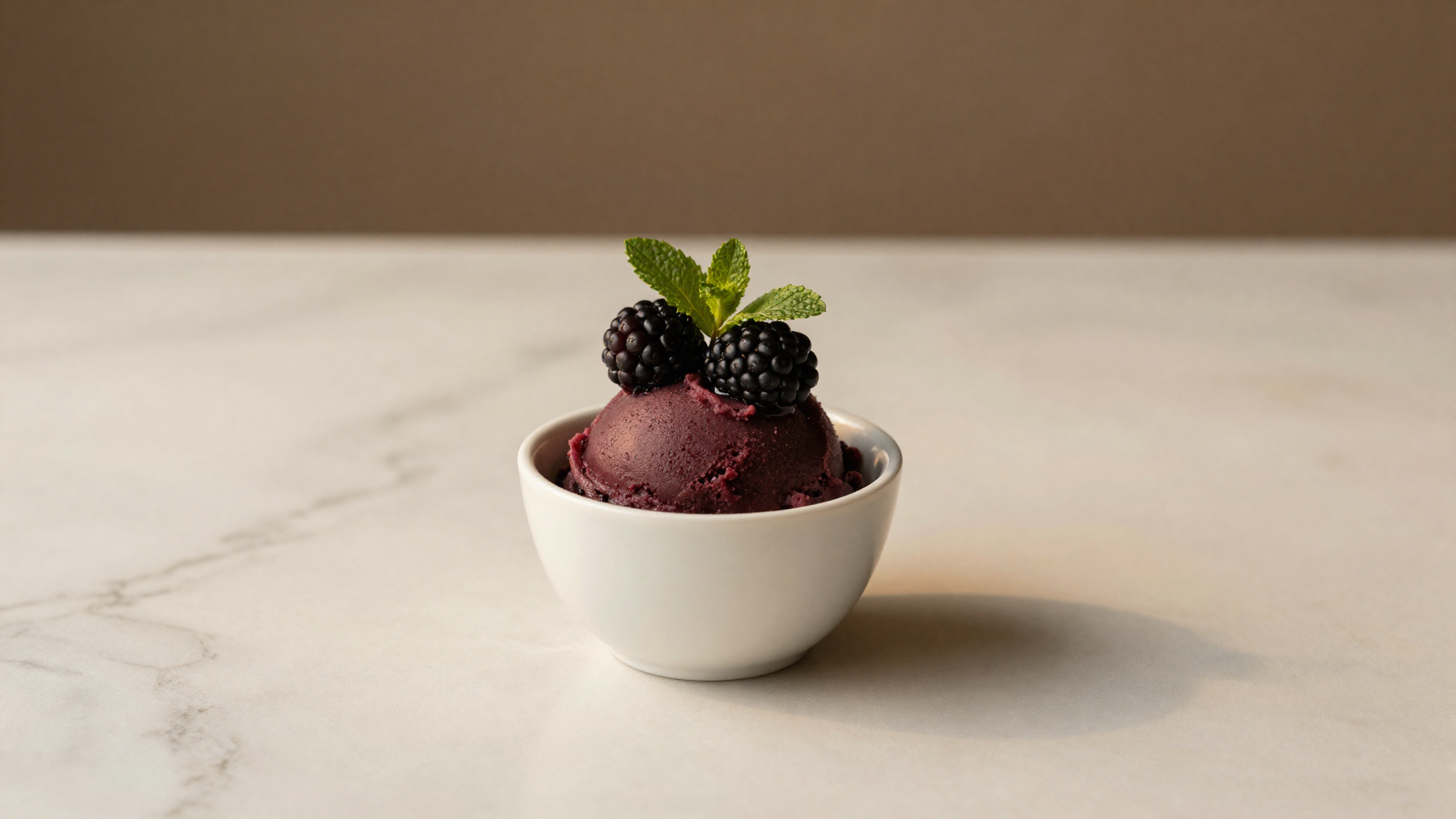
Smooth to the last scrape, with a dry, brambly tartness that stays cold in the mouth and a purple dark enough to mark the spoon.
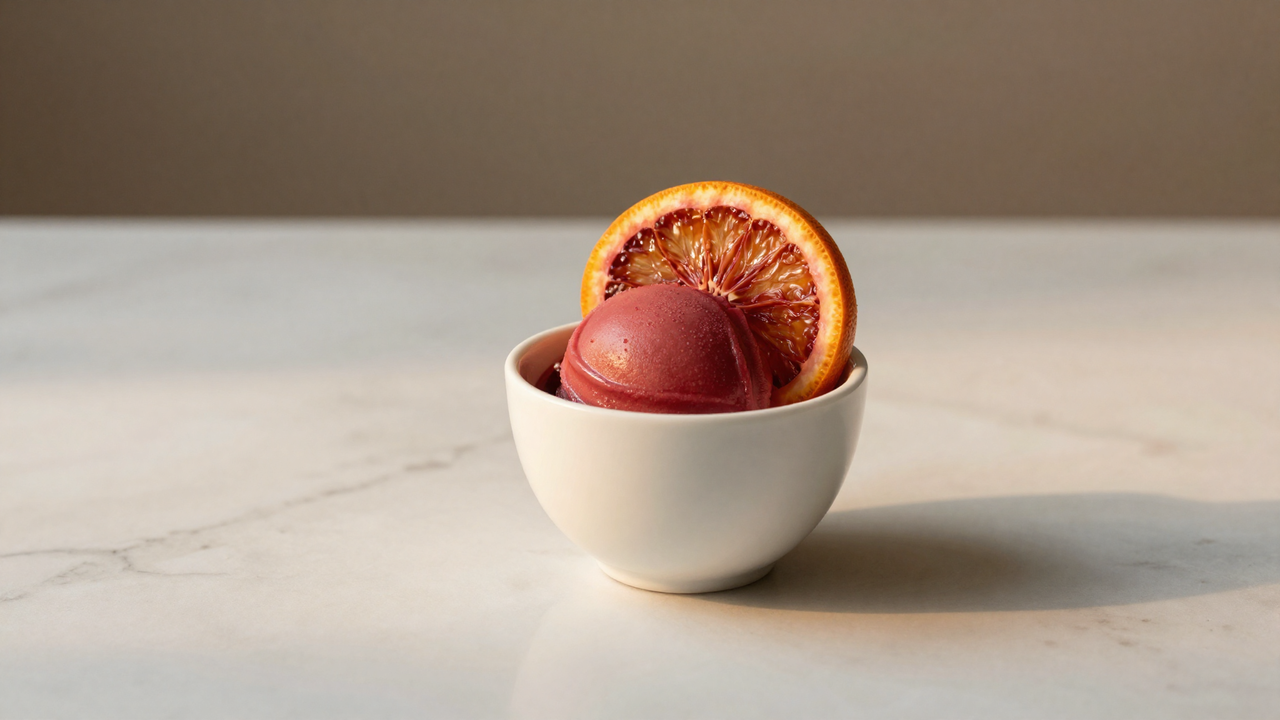
The first spoon is sharp and very cold, then a red berry bitterness opens underneath, and the peel oils stay long after the cold has gone.
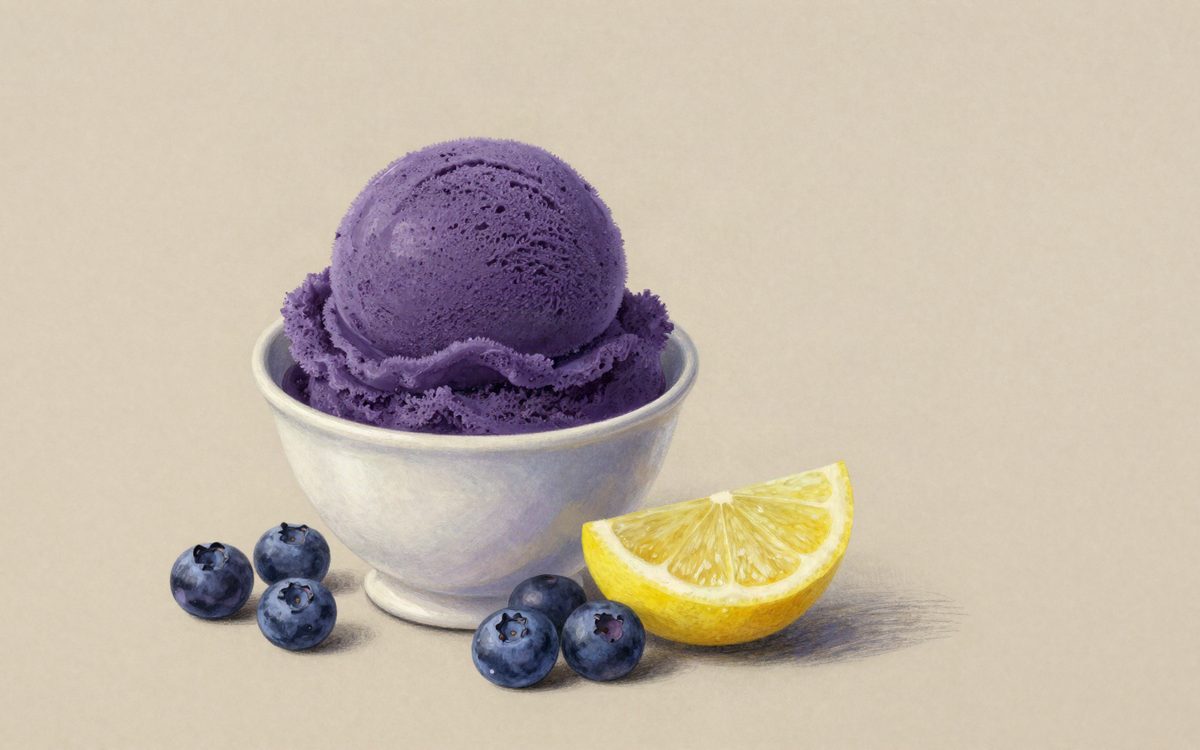
Cold and acid land before the fruit does, then it opens wide across the tongue and leaves a dark, faintly winey note behind.
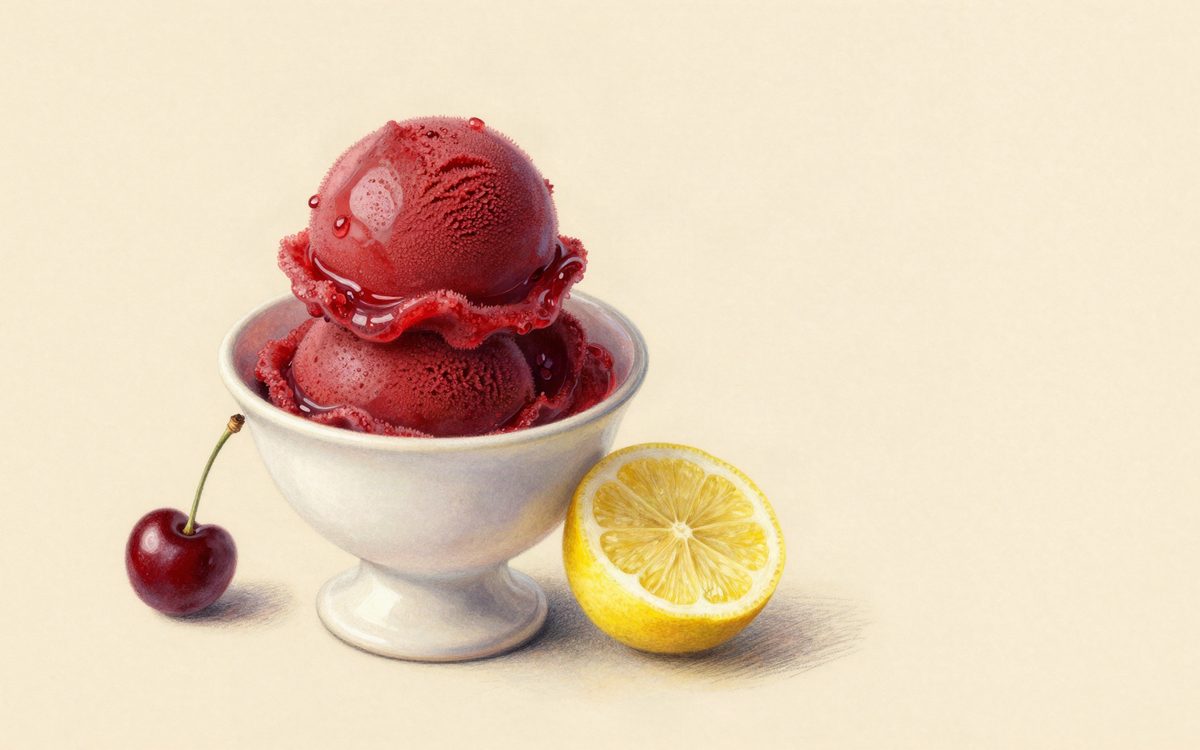
The cold lands before the fruit does; then sourness opens, stone fruit fills the middle and a rounded sweetness closes behind it, soft to the spoon rather than icy.
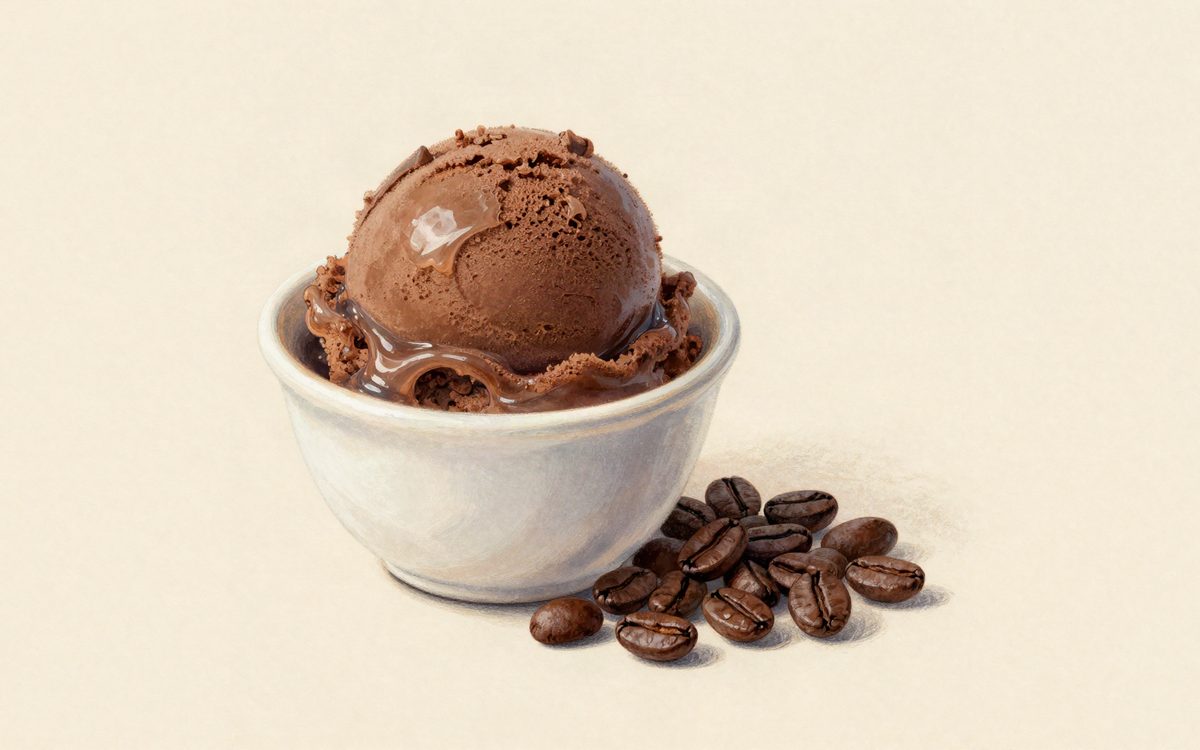
Bitter before it is sweet, with a soft melting body and a roasted, faintly salted finish that lasts longer on the palate than the chill does.
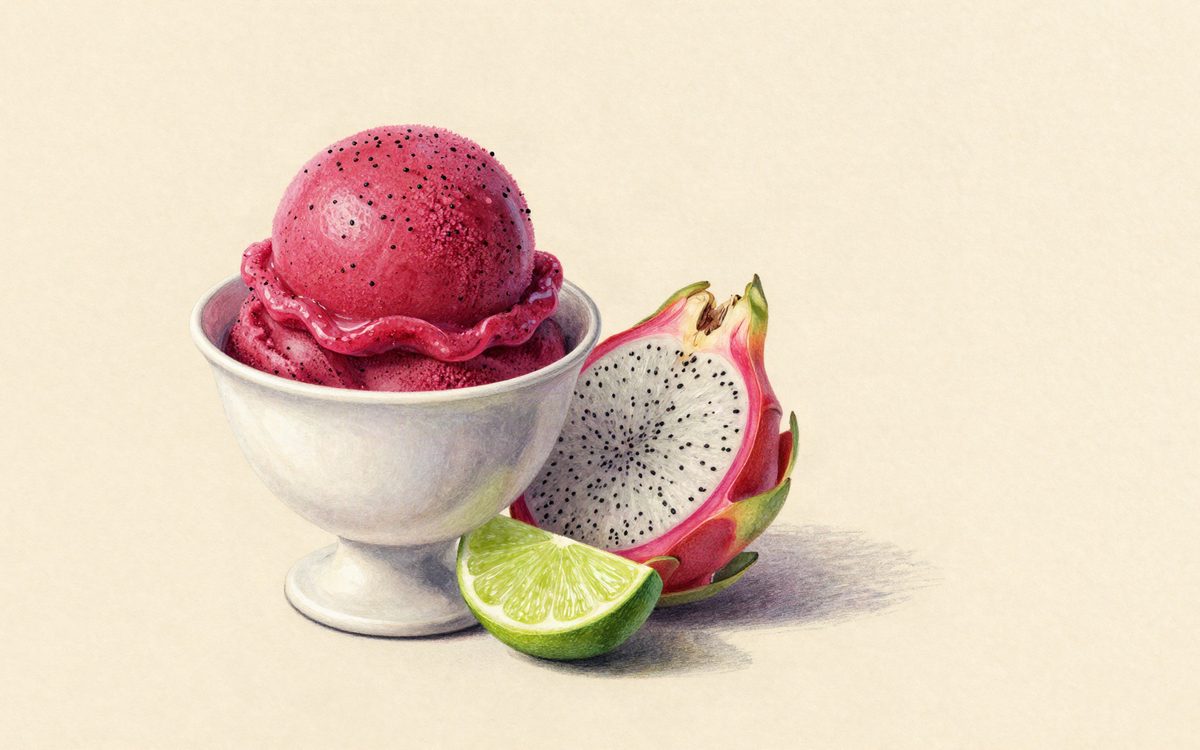
Magenta in the tub and gentle on the tongue: lime lands first, the fruit follows soft and faintly earthy, and a pinch of salt keeps the finish from disappearing.
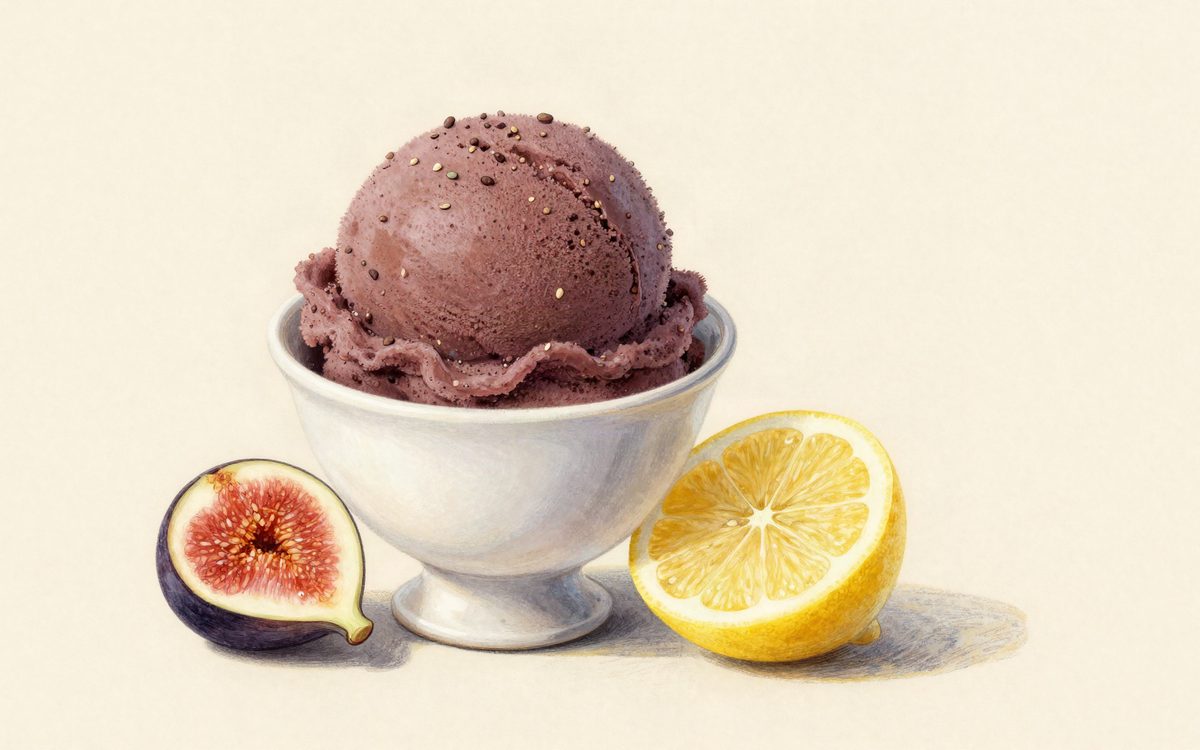
Denser on the spoon than a sorbet usually is, jammy rather than sharp, with a honeyed sweetness that fades out slowly instead of snapping shut.
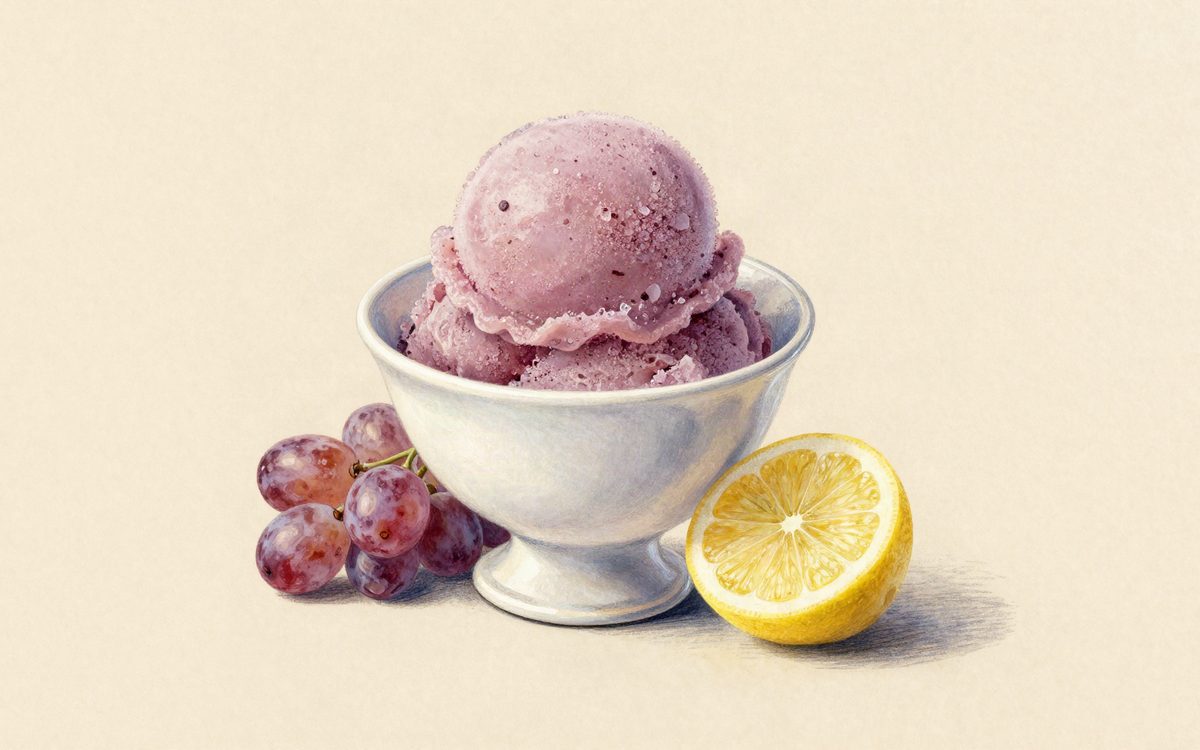
Juicy on contact, rounder in the body than its pale colour suggests, finishing with a flick of lemon that stops the sweetness settling in.
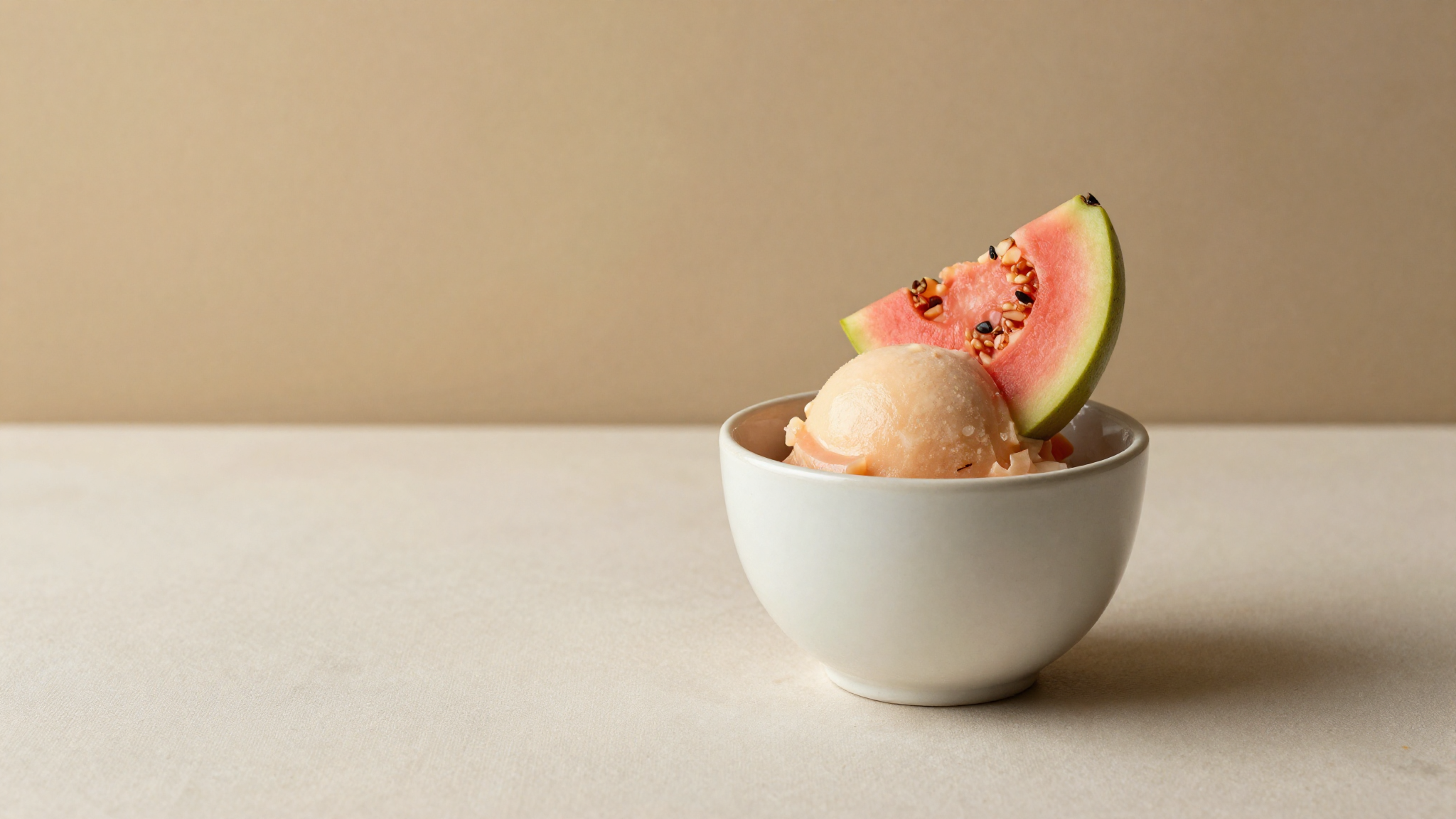
Scent arrives before weight: floral and icy at the first touch, then a jammy sweetness that settles in and lingers, with lime pulling the finish tight.
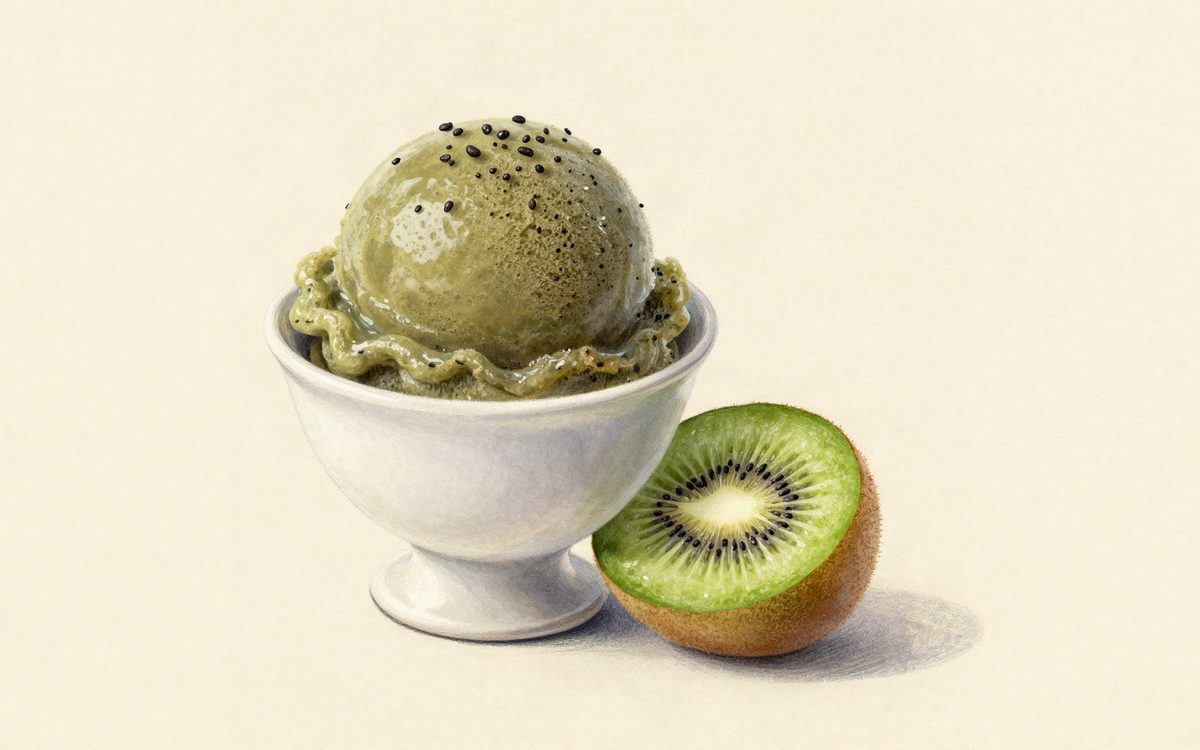
It stays scoopable straight from the cabinet at -11 to -14 C and melts clean, grassy and sharp, without the shards of ice a home sorbet usually leaves on the spoon.
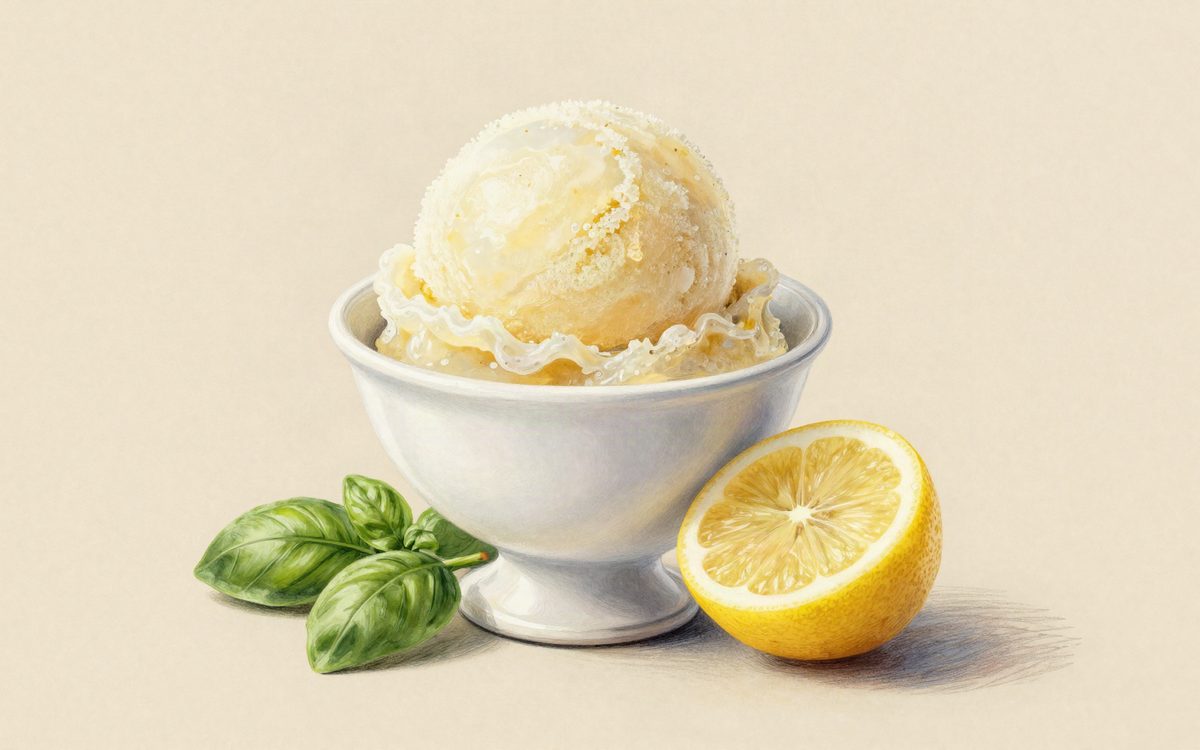
Puckering at the first touch, cooling and herbal a beat later, it melts clean off the spoon and leaves the palate lighter than it found it.
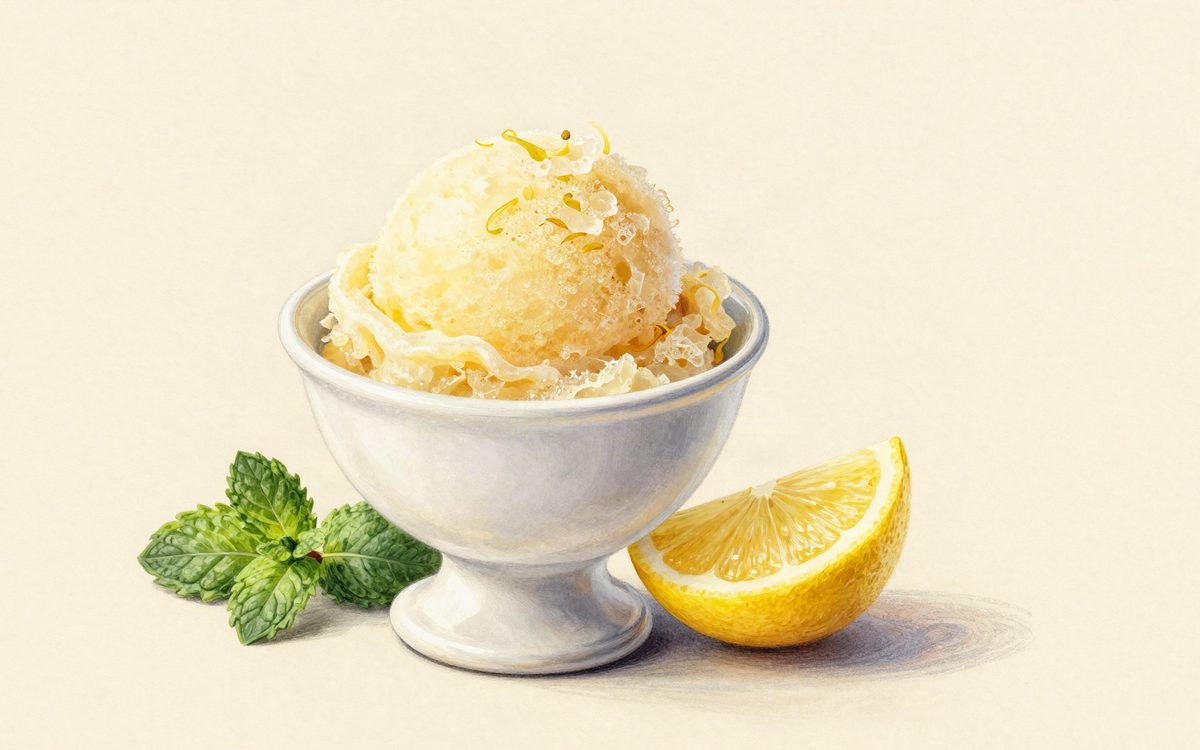
Sharp enough to make you blink, then the peel oils bloom and a cool green note trails after them, melting clean off the spoon with no syrup left behind.
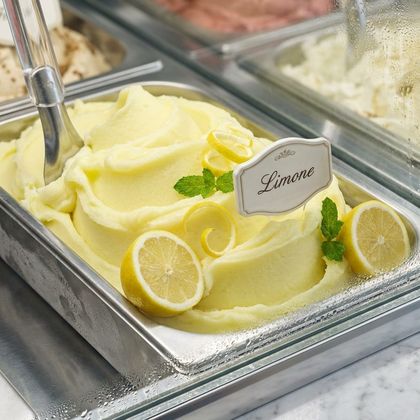
Sharp enough to tighten the jaw on the first spoon, then more perfumed than sour, finishing cold and clean with no fat to slow anything down.
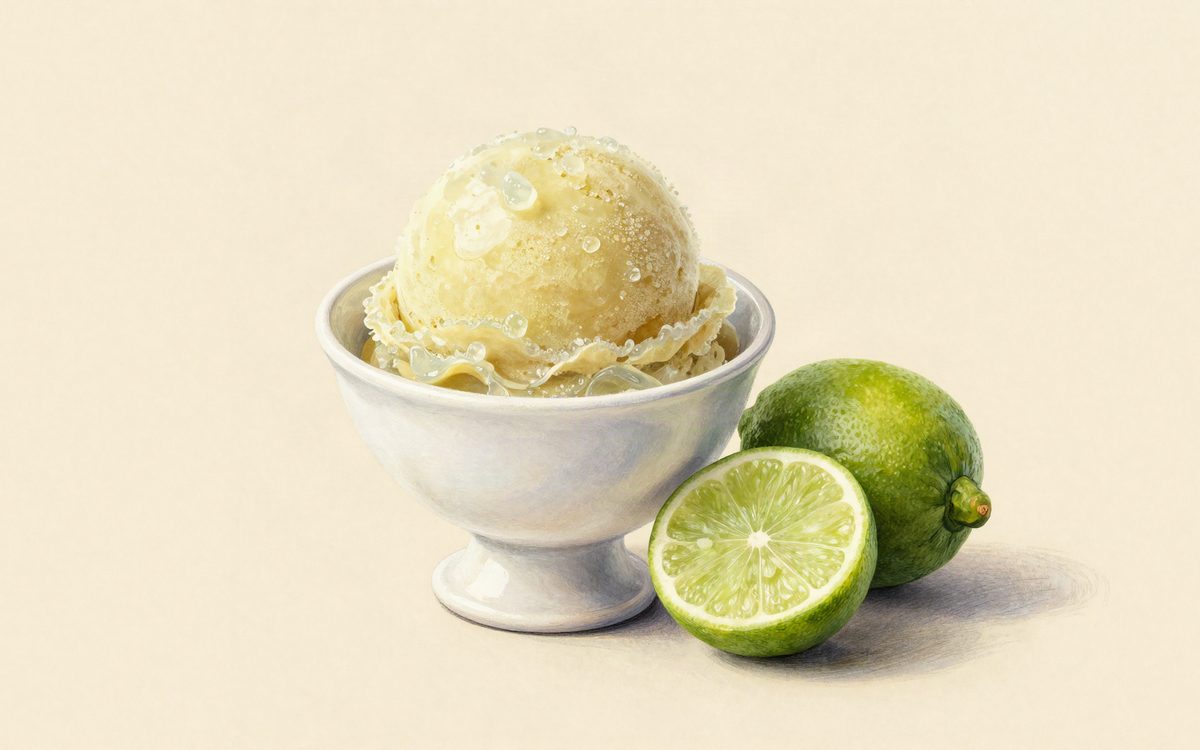
Sharp enough to tighten the jaw, then it opens out clean and cold, scoopable once tempered in the fridge, with no grit and no shards of ice.
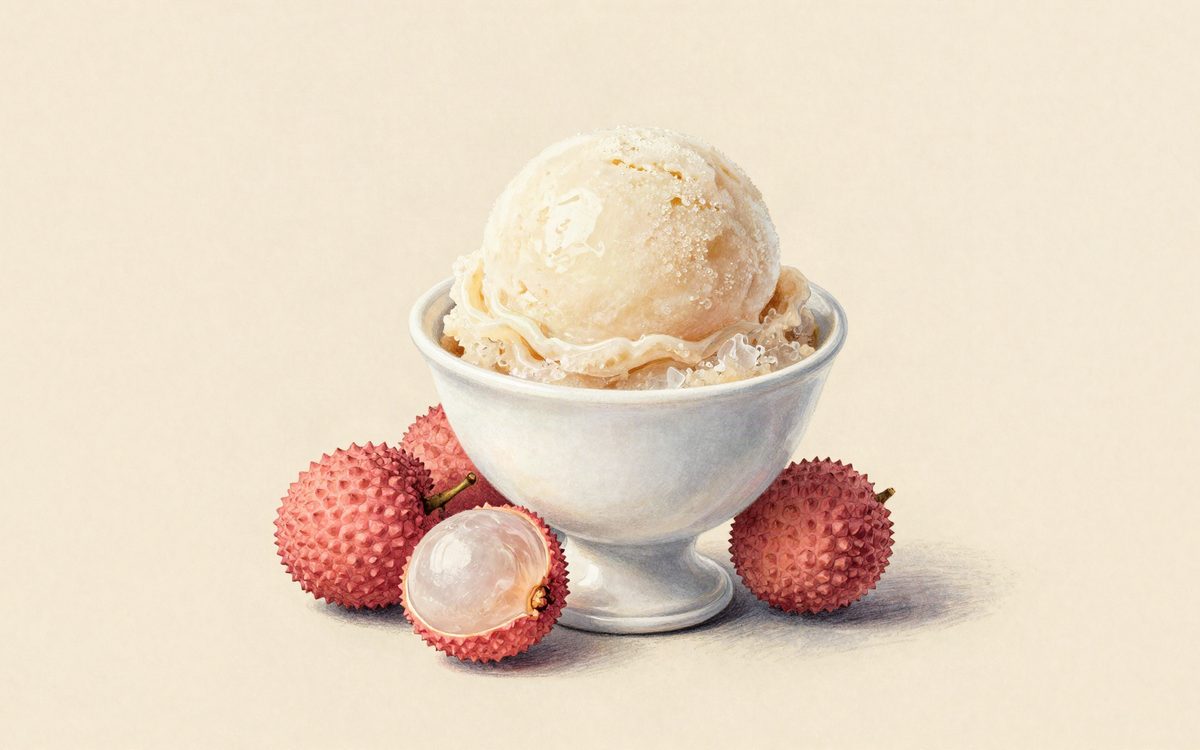
More scent than taste at first, then a cool and yielding body that never turns icy, and a citrus snap at the end that stops the finish going syrupy.
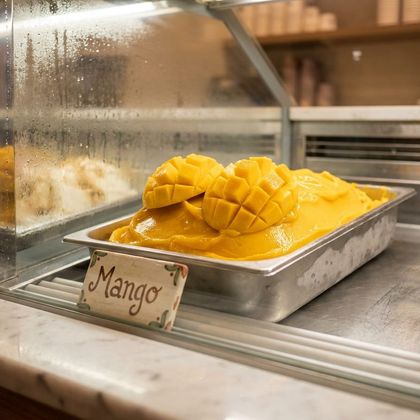
Smooth rather than icy under the spoon, heavy with ripe fruit up front, and a sweetness that pulls up well short of cloying as the lemon closes it.
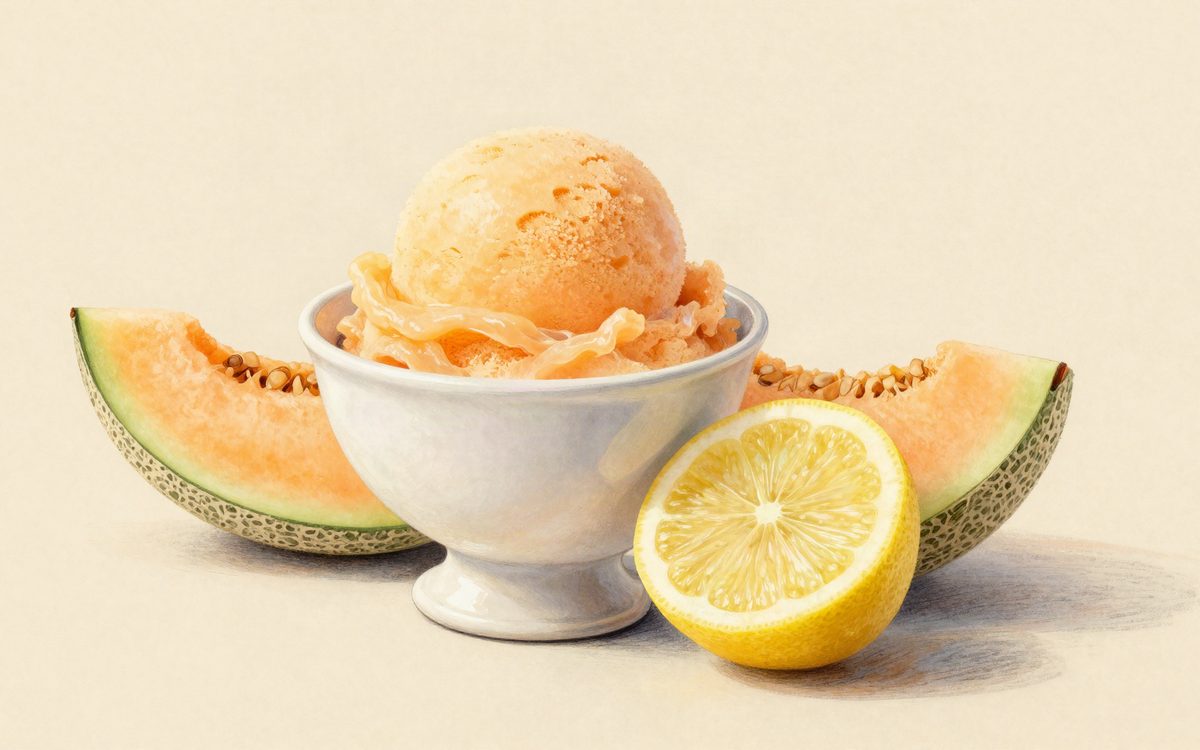
It scoops dense instead of icy, carries a ripe perfume that survives the cold, and finishes on a lemon lift that keeps the whole thing from going flat.
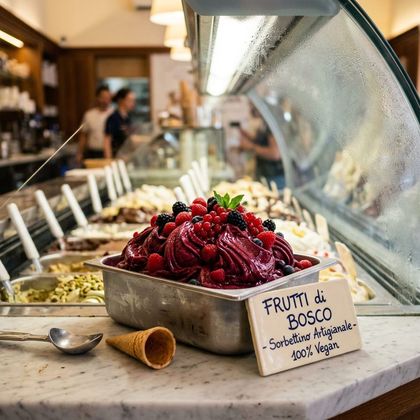
Sharp and bright at the front, raspberry perfume above everything else, then a deeper, faintly astringent back note that gives the finish its length.
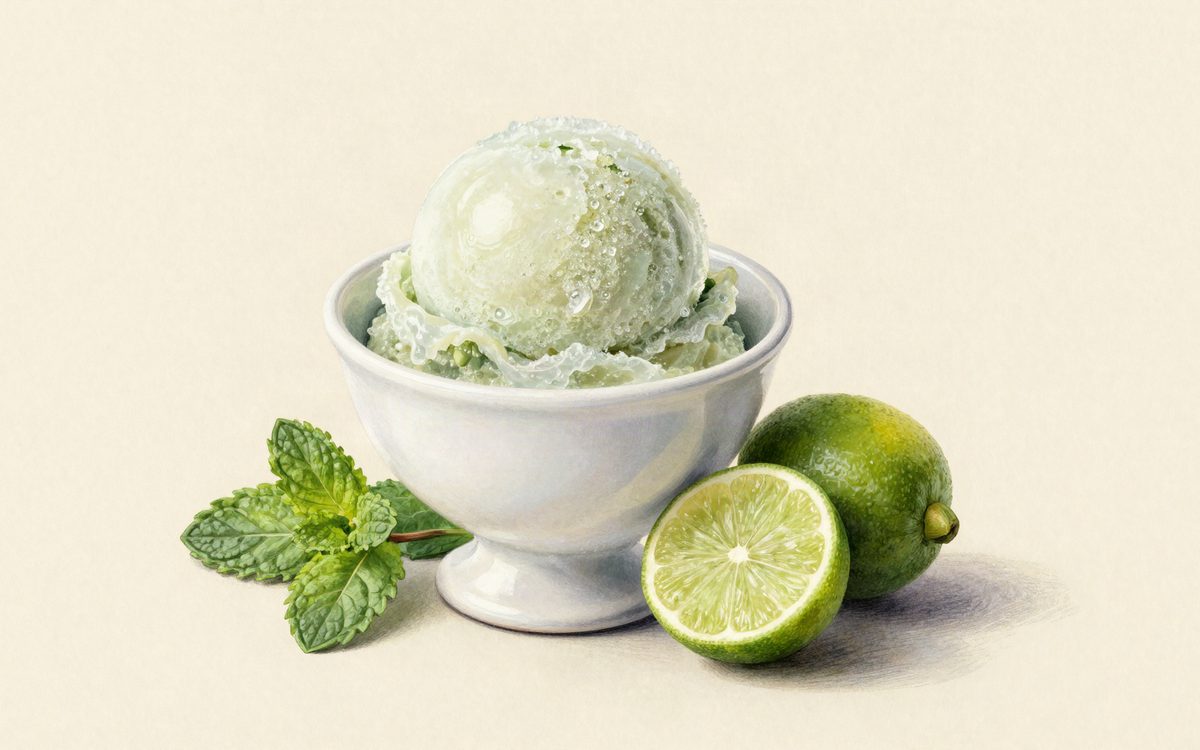
Sour lands before sweet, then the mint opens the whole mouth cold, and a faint warmth from the rum is the last thing to leave.
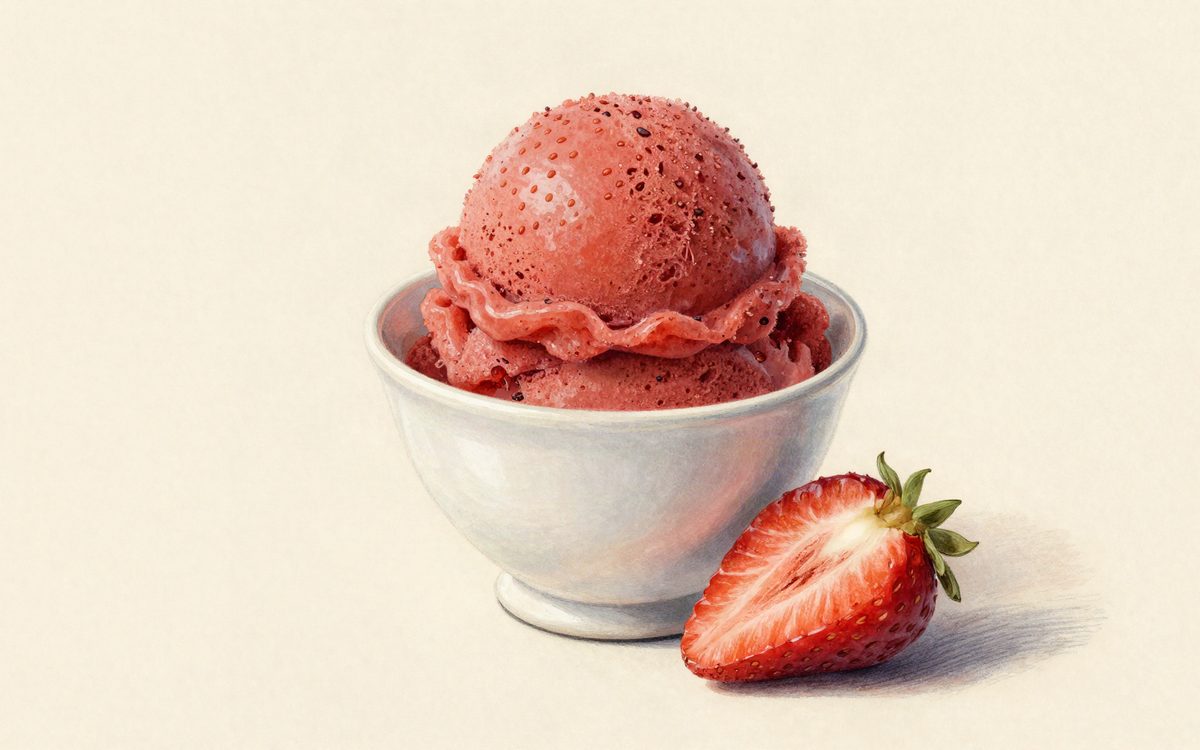
What surprises is not the sweetness but the roundness: sharp and cold at the start, soft through the middle, fruit still there once the cold has gone.
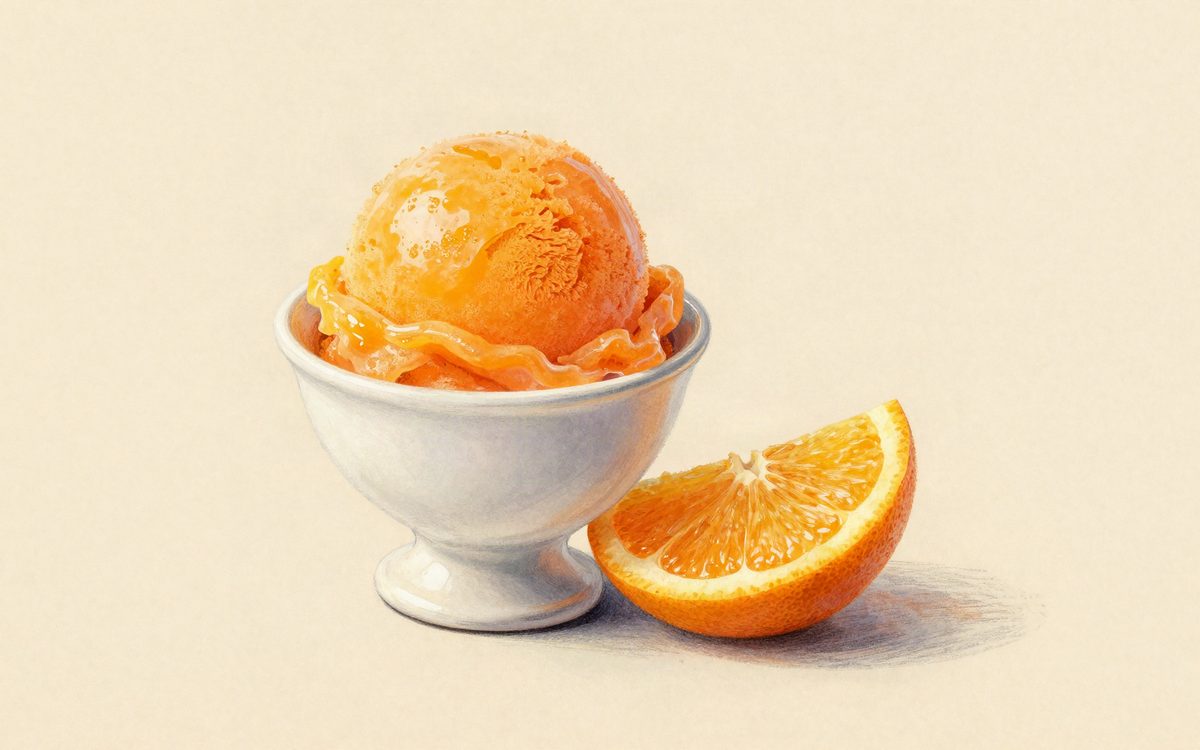
Bright and almost brittle at the front, it gives way easily under the spoon, and the peel oil is what stays behind once the juice has washed off.
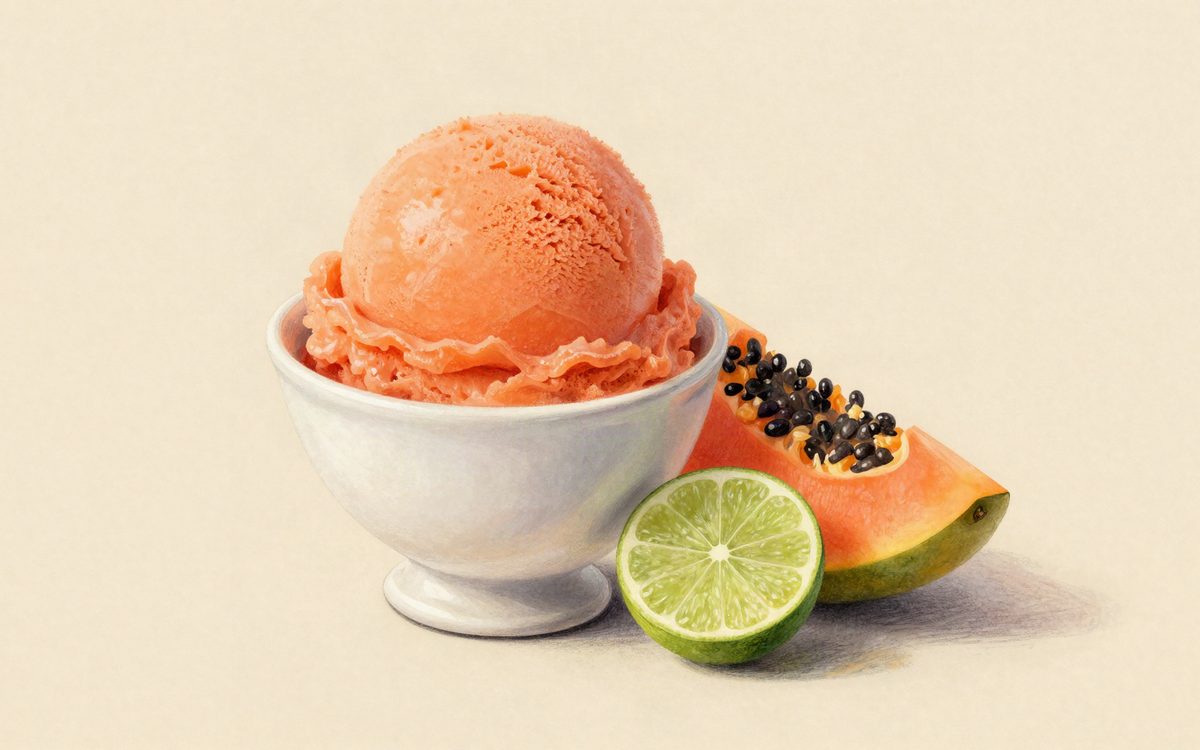
Almost creamy for something made without dairy, sweet and slow to spread, with lime arriving late enough to keep the finish from sitting heavy.
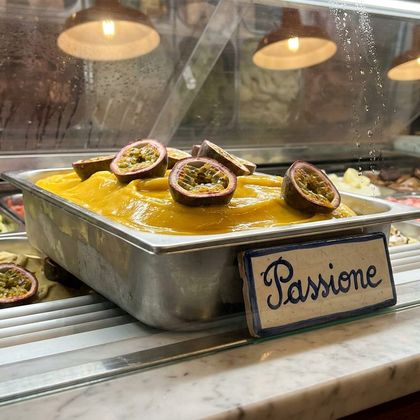
Sourness hits first and hard, then the floral, tropical aroma spreads out behind it and hangs on, icy and clean with nothing sweet to cushion it.
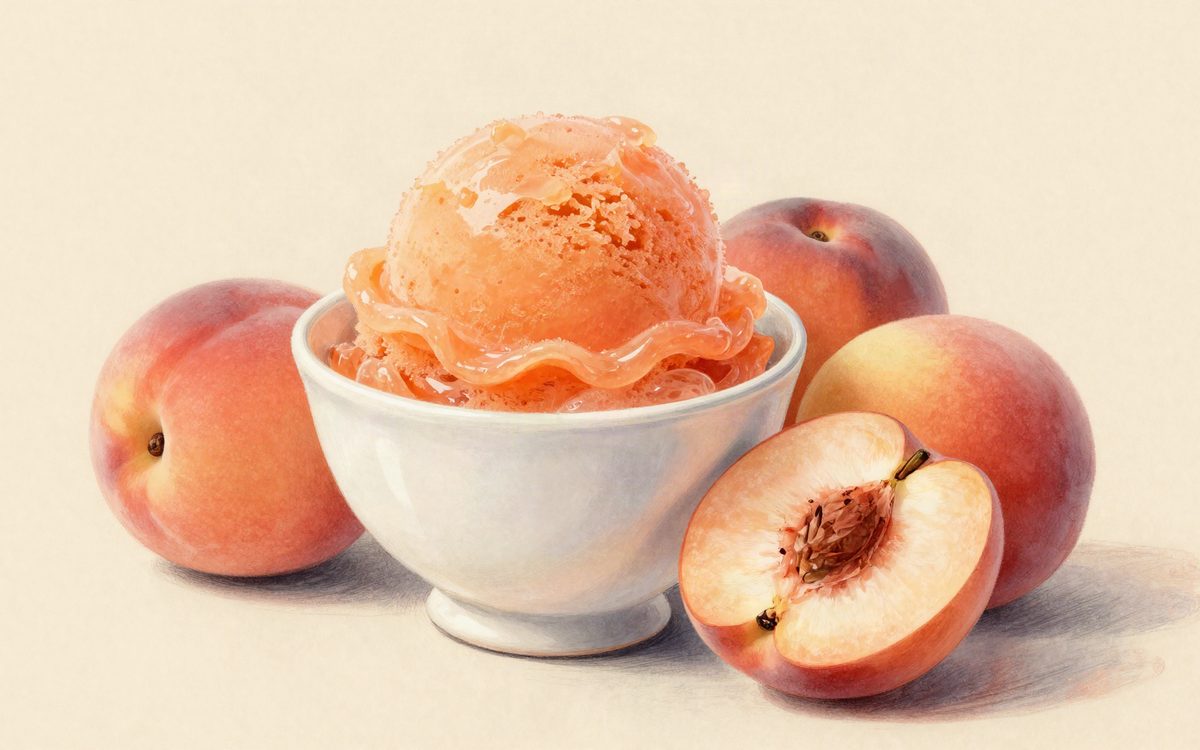
Eats soft rather than icy, the ripeness opening slowly across the palate and settling into an almost floral finish with very little acid bite.
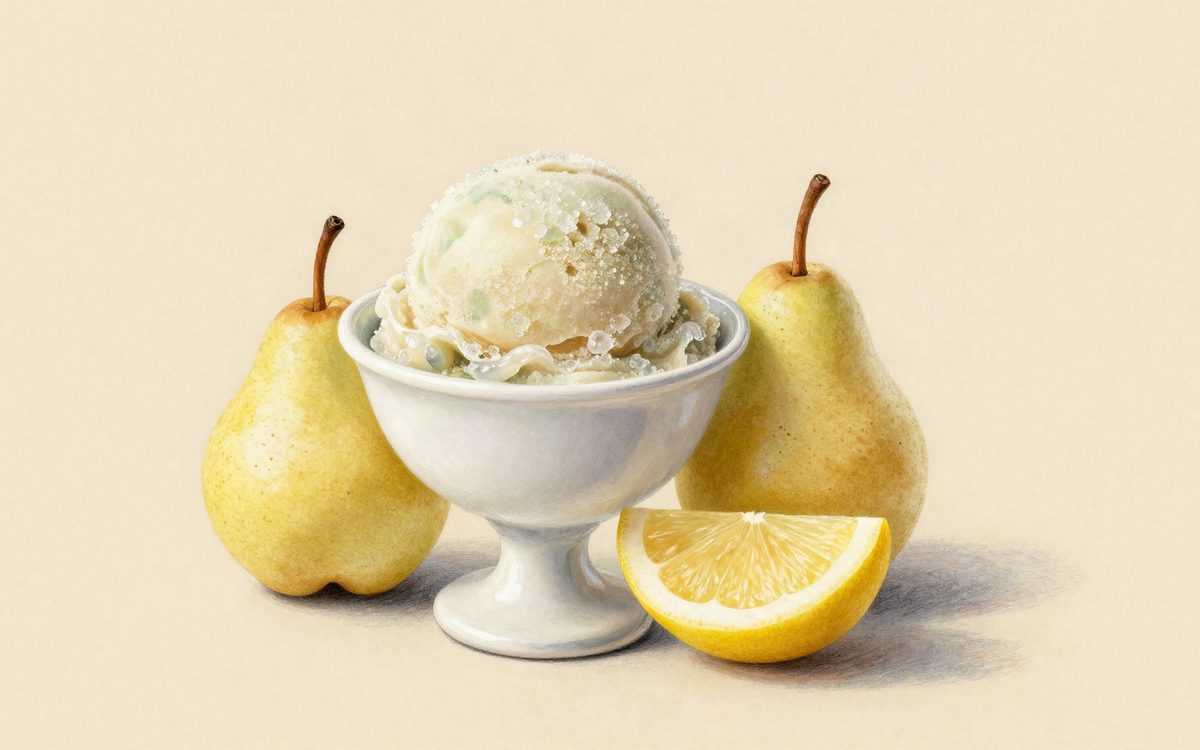
Late sweetness is the whole story here: cool and nearly neutral at first, then a honeyed spread that fills the mouth and clears slowly over a soft body.
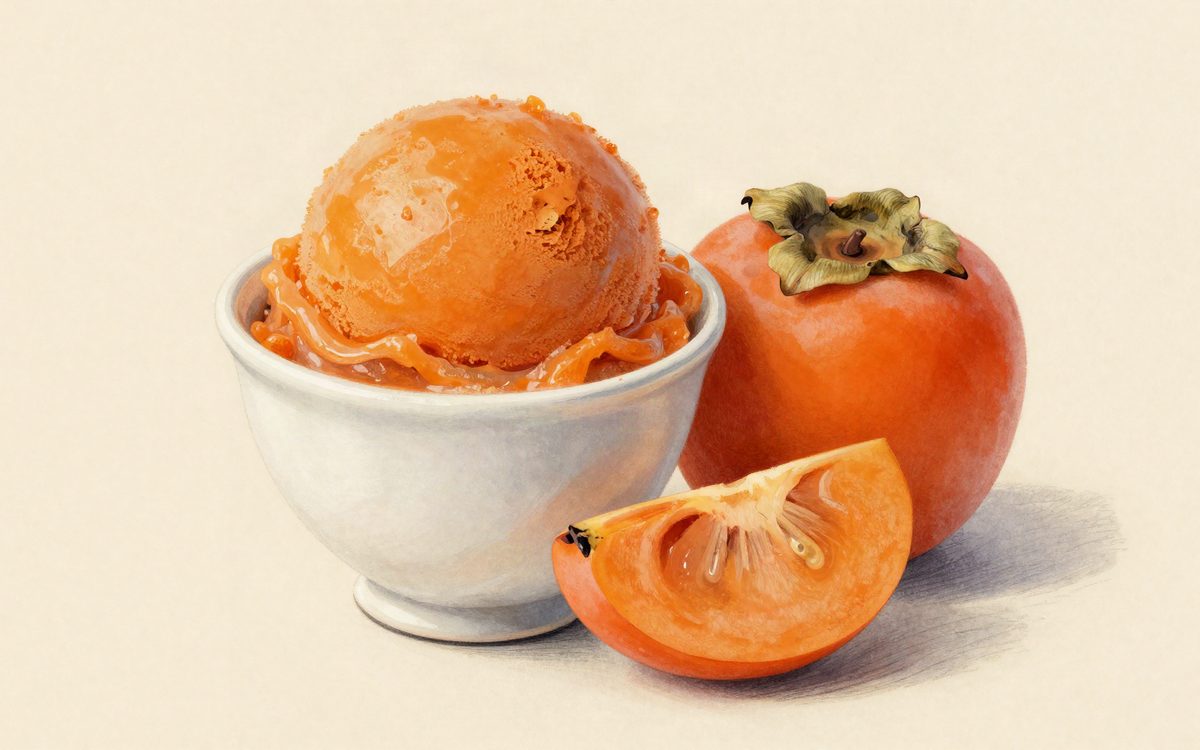
Thick and honeyed on the first spoon, gently tart at the close, and never icy, because the fruit carries most of the body before any syrup does.
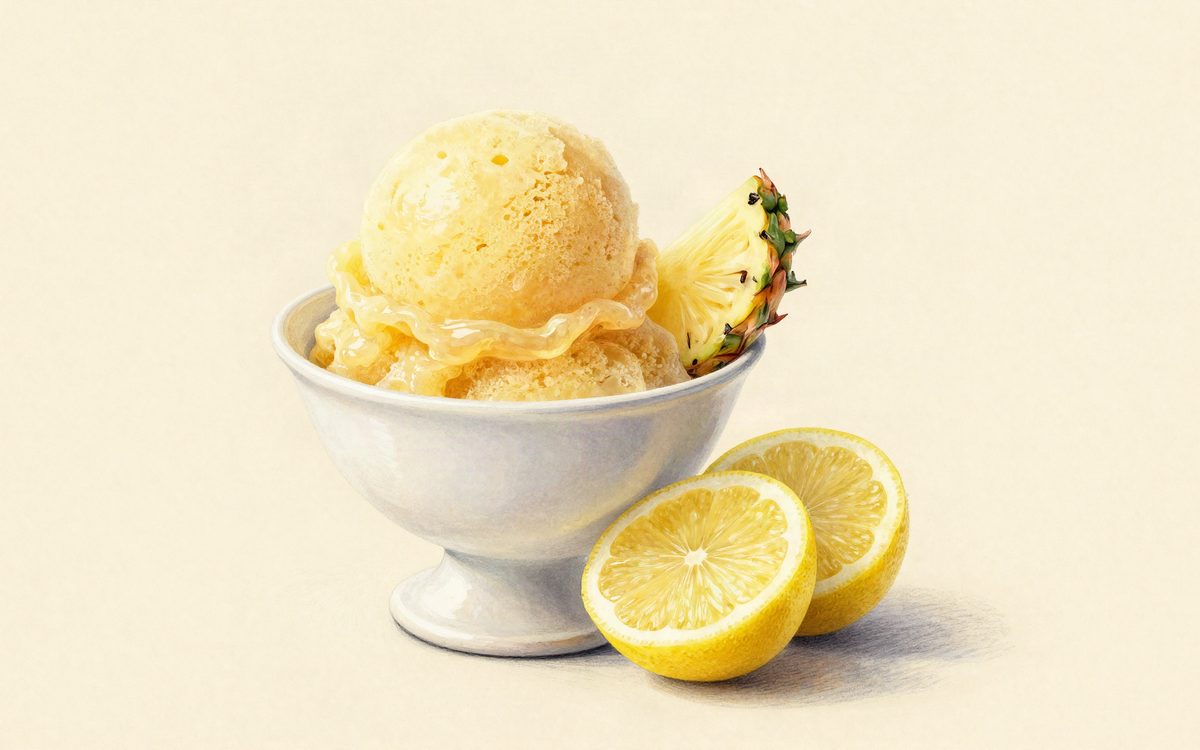
Sharp and cold on contact, juicy rather than creamy, the acidity dropping away into a sweet tropical tail that keeps going long after the spoon is empty.
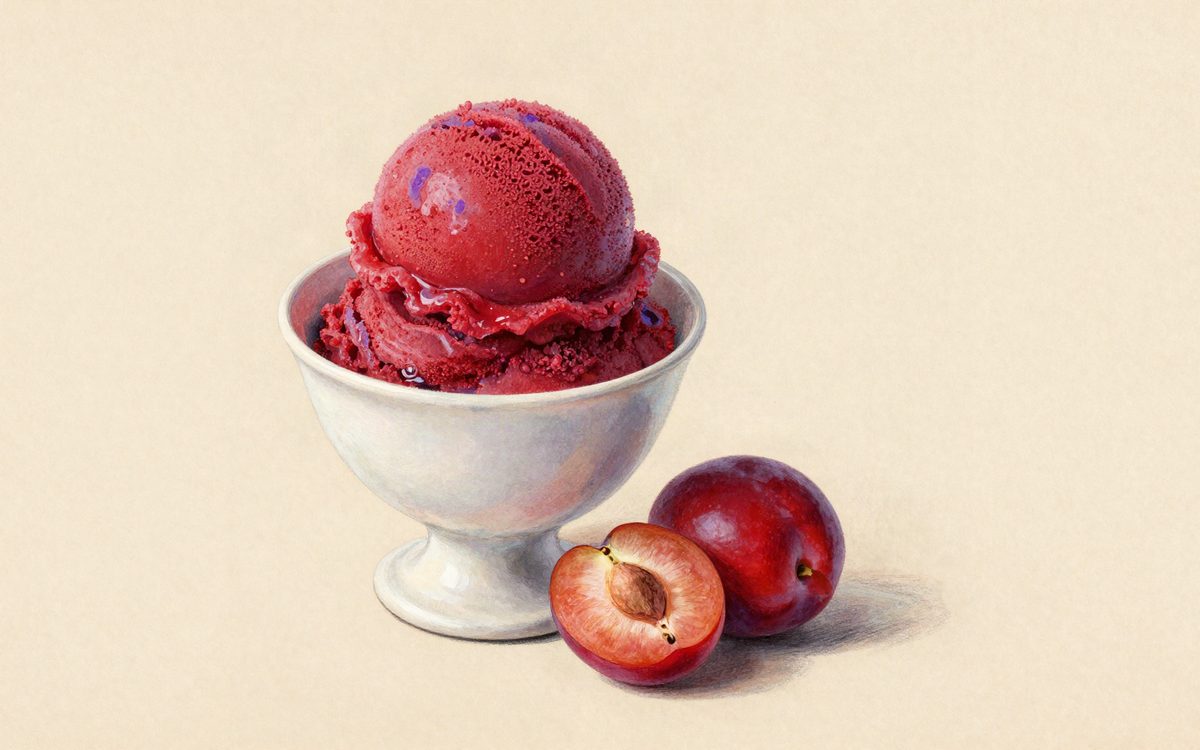
Anyone expecting jam gets the opposite: cold, tart fruit that lands quickly, reads bright and deep red, and clears without a syrupy tail.
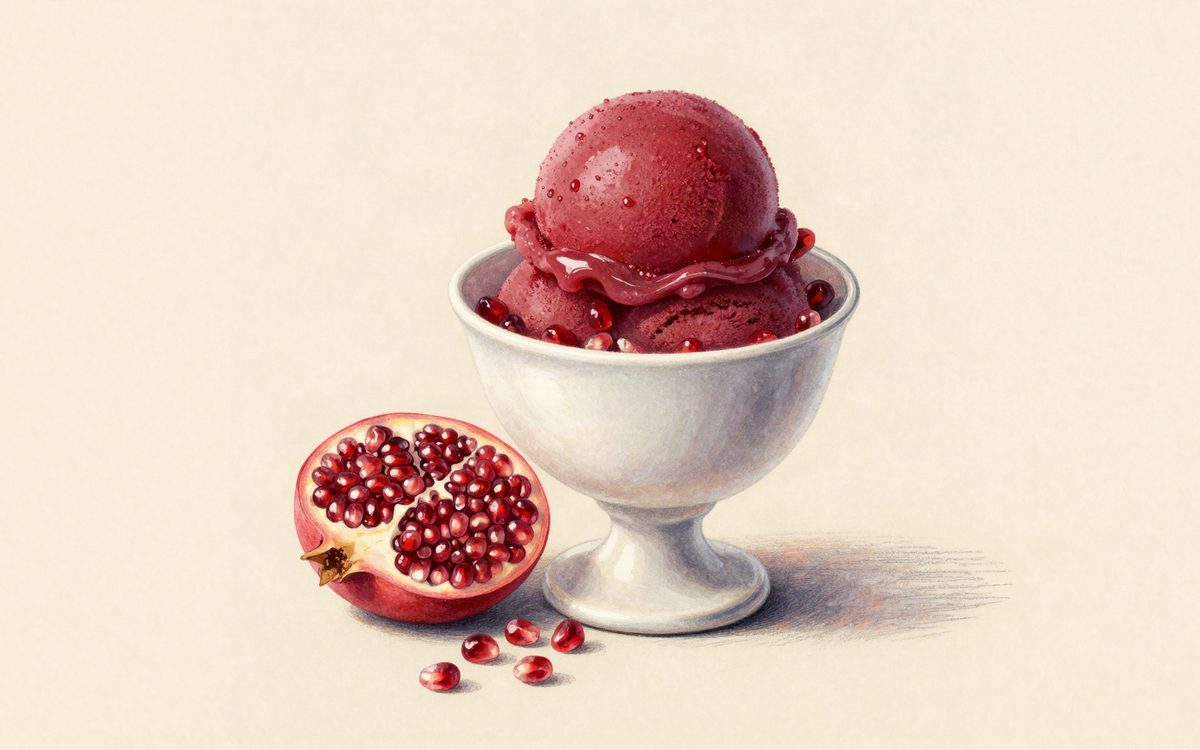
It hits tart and stays tart: thin on the tongue, very cold, with a tannic dryness that pulls at the palate and a colour that stains the spoon.
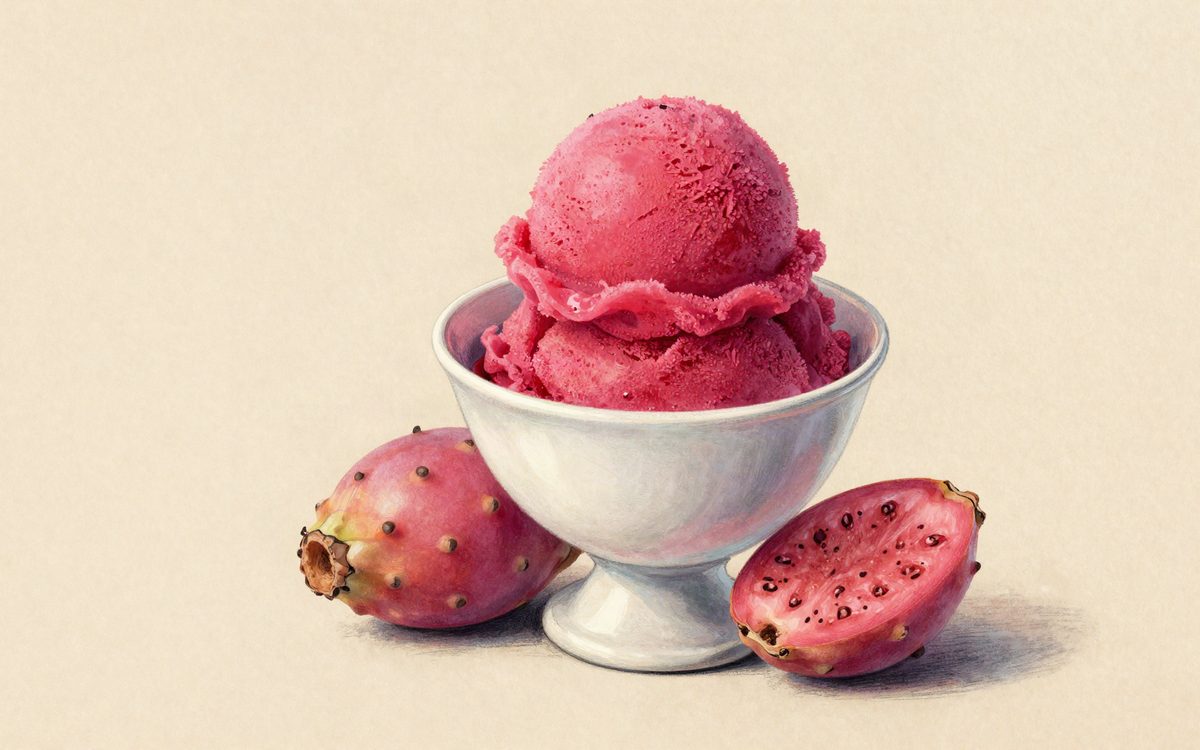
Clean rather than cloying, cool and lightly scented, with an acid lift at the edges and a colour that stays vivid down to the last spoonful.
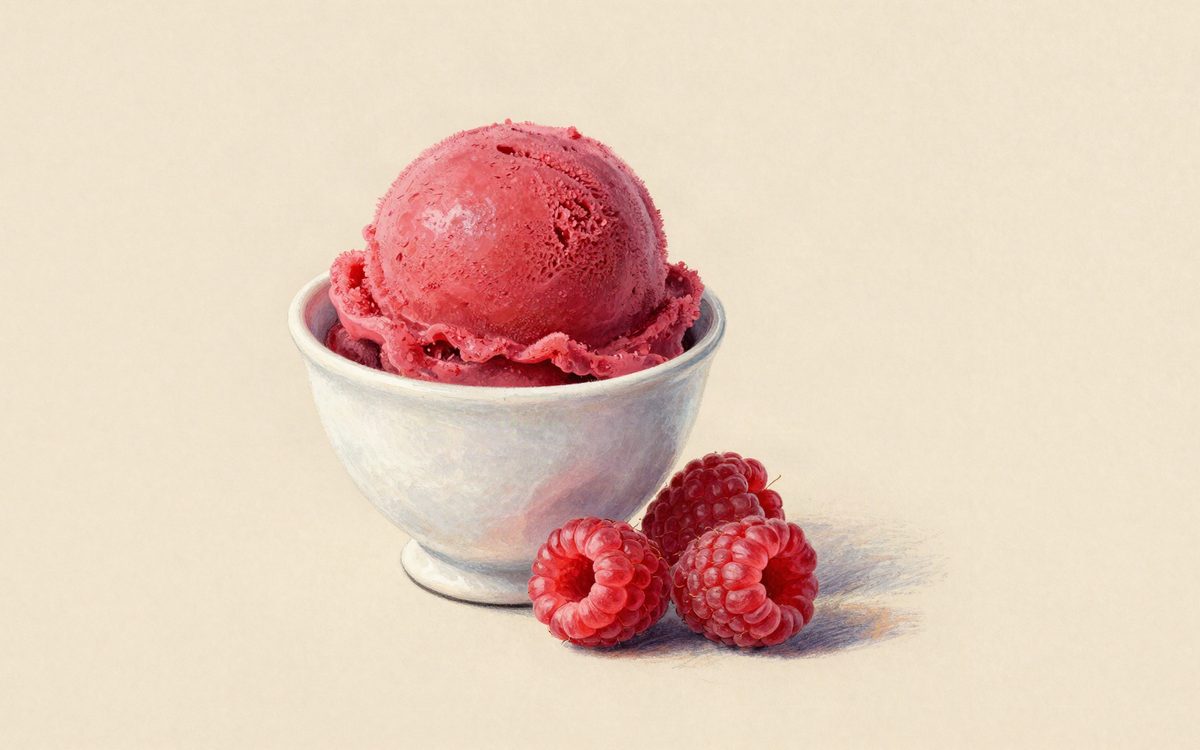
Cold and tart on contact, then the perfumed sweetness spreads and fades fast, leaving the mouth lifted and clean rather than coated in anything.
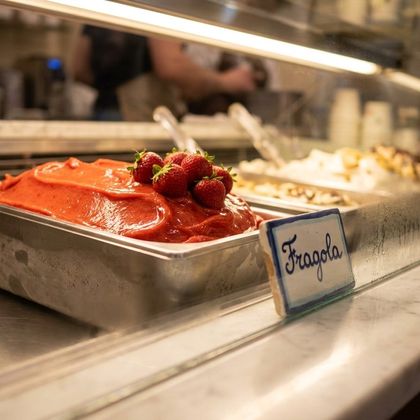
Light on the tongue and quick to melt, it lands bright and sharp almost at once, keeps a lemon edge at the back and clears without leaving a film.
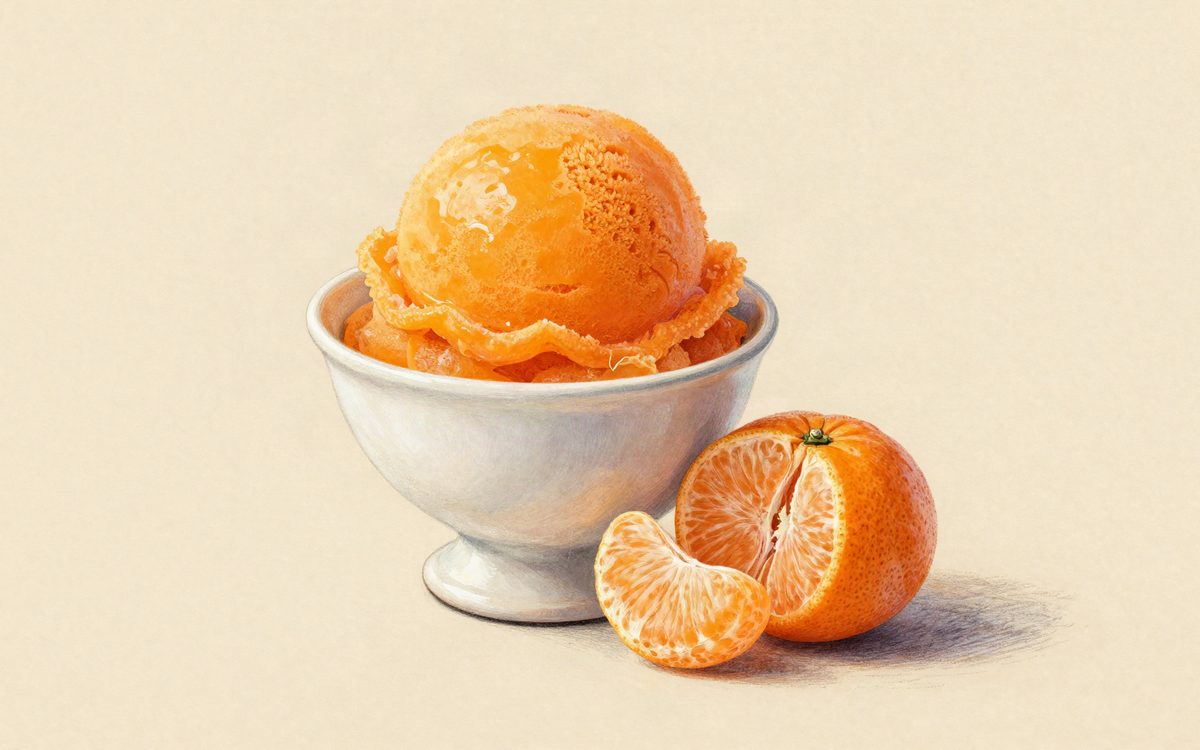
Perfume comes before sweetness, with a lemon edge just behind it to keep that sweetness from cloying, and the aroma survives the cold because the zest carries it.
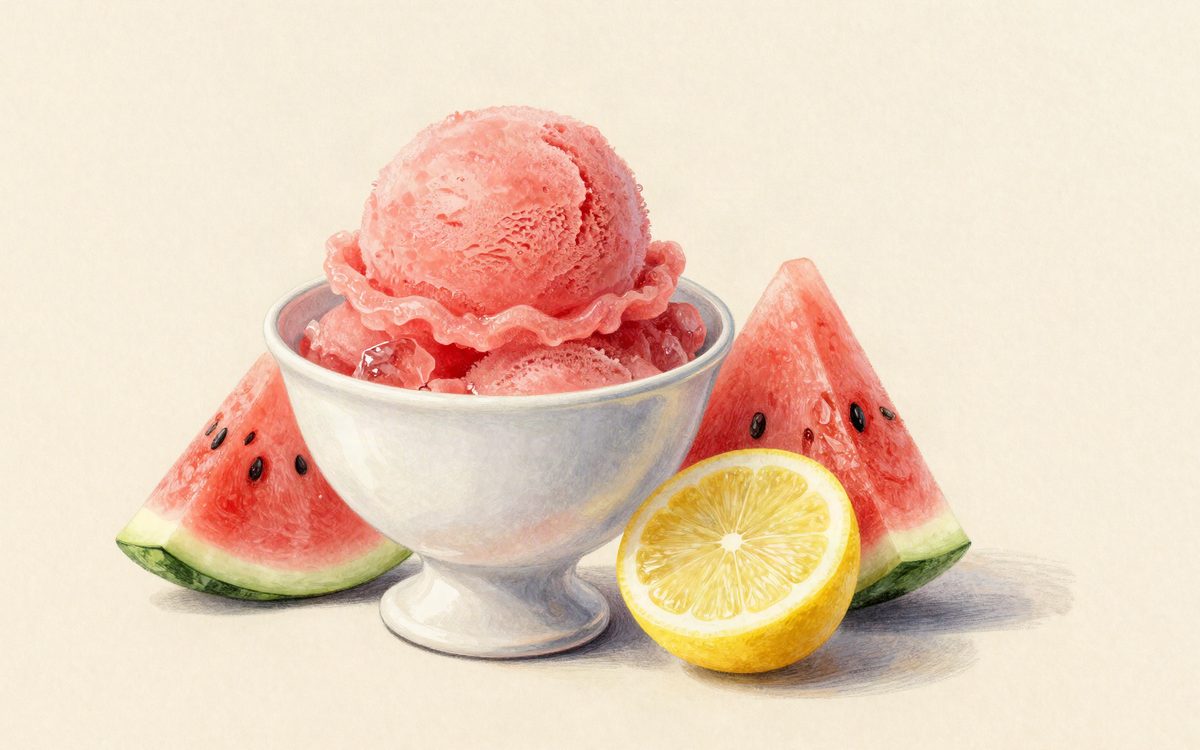
Barely there, then everywhere at once: thin, very cold, sweet for a second or two and gone before the next spoon arrives.
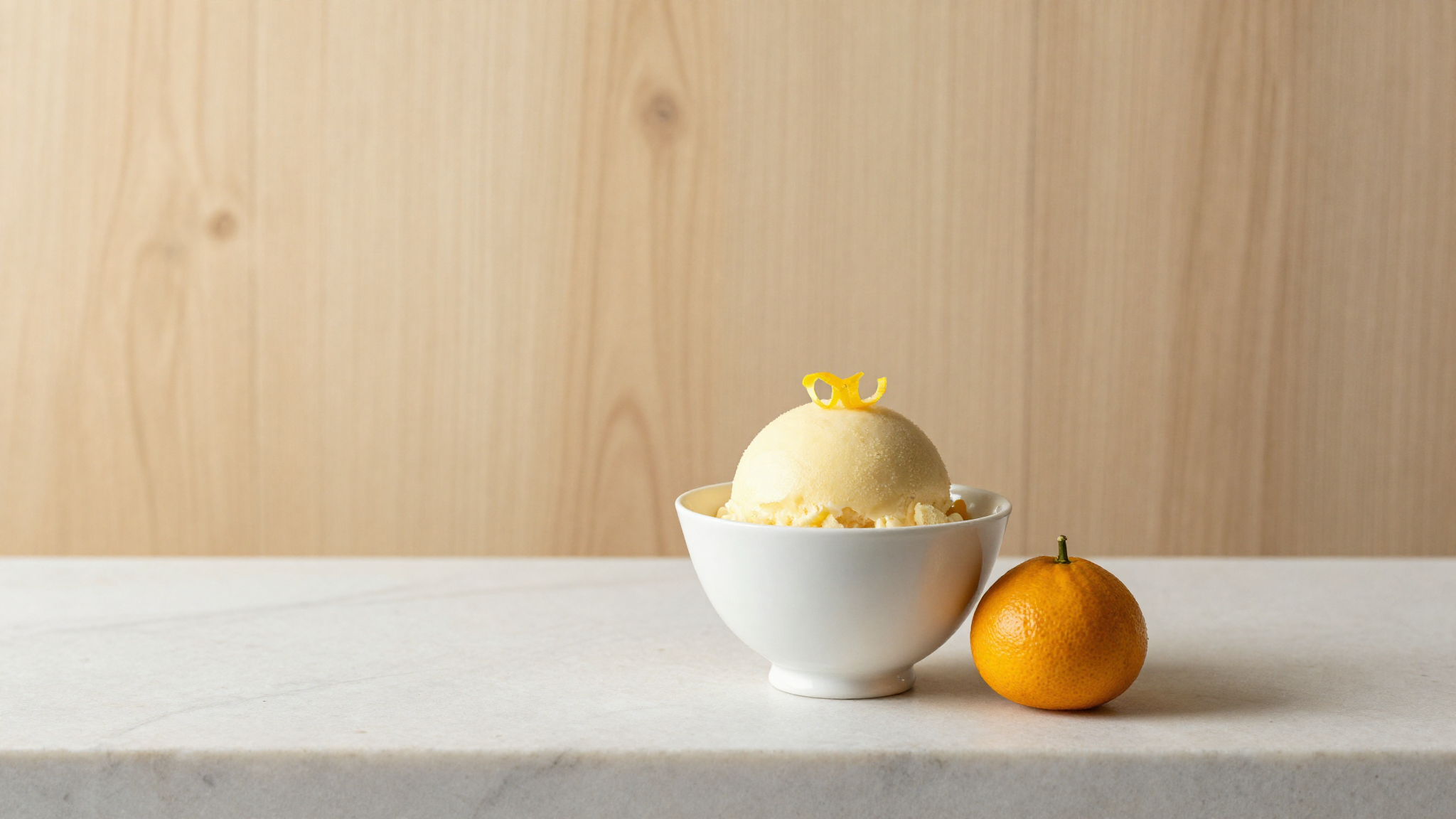
Nothing lingers heavily here: the acid wakes the whole mouth, the floral note lands between grapefruit and mandarin, and the tongue is left clean.

Elderberry sorbet done properly: why the berries must be cooked first, a balanced 1000 g formula, and how to hold that deep violet colour in the tub.

Tamarind carries its own sugar and acid. Measure the Brix, balance around it, and get a sorbetto that scoops clean at -13 C. Full 1000 g formula inside.

Cold-infuse the flowers, balance to 31.4% solids and PAC 325, then add the acid last. The full 1000 g formula for a sorbetto that really tastes of elderflower.

A 55 percent fruit grapefruit sorbet at 28.5 percent solids. Full 1000 g recipe, plus how to control naringin and limonin bitterness in the batch.

Authentic granita siciliana al limone: water, sugar and lemon at about 18% sugar (16 to 22% window), syrup first, then frozen and scraped into coarse crystals.

Authentic limoncello sorbetto with Sorrento lemons — the recipe with PAC, POD, alcohol caps and the cold-side infusion method that keeps it scoopable.
Water-based chocolate gelato replaces milk with water and lets cocoa solids and cocoa butter build the body. Darker and denser than a milk chocolate gelato, and dairy-free by construction.
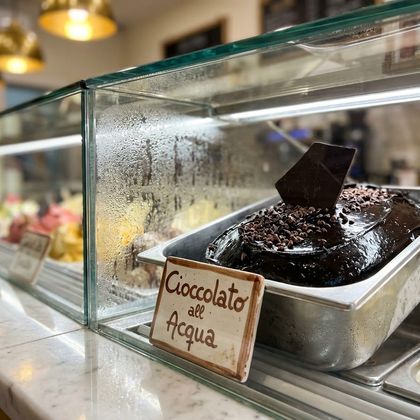
Intense and almost austere, cocoa hitting hard and cold with no dairy to round it off, yet it scoops smooth instead of icy and melts clean off the tongue.
Vegan bases start from plant milks, nut pastes and plant fats. Oat, soy, almond and coconut bring different solids, so each recipe is balanced for its own base rather than a generic swap.
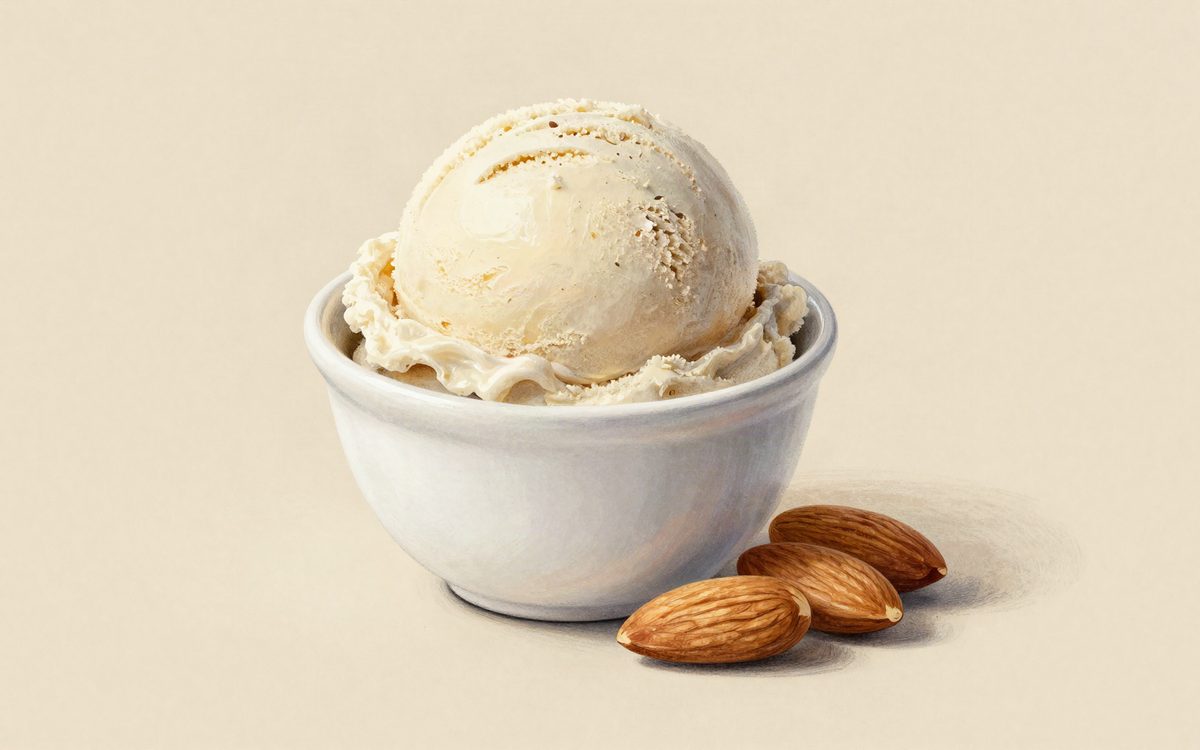
Nutty and clean rather than creamy, sweet at the front and dry at the finish, with the almond holding on well after the cold has left the tongue.
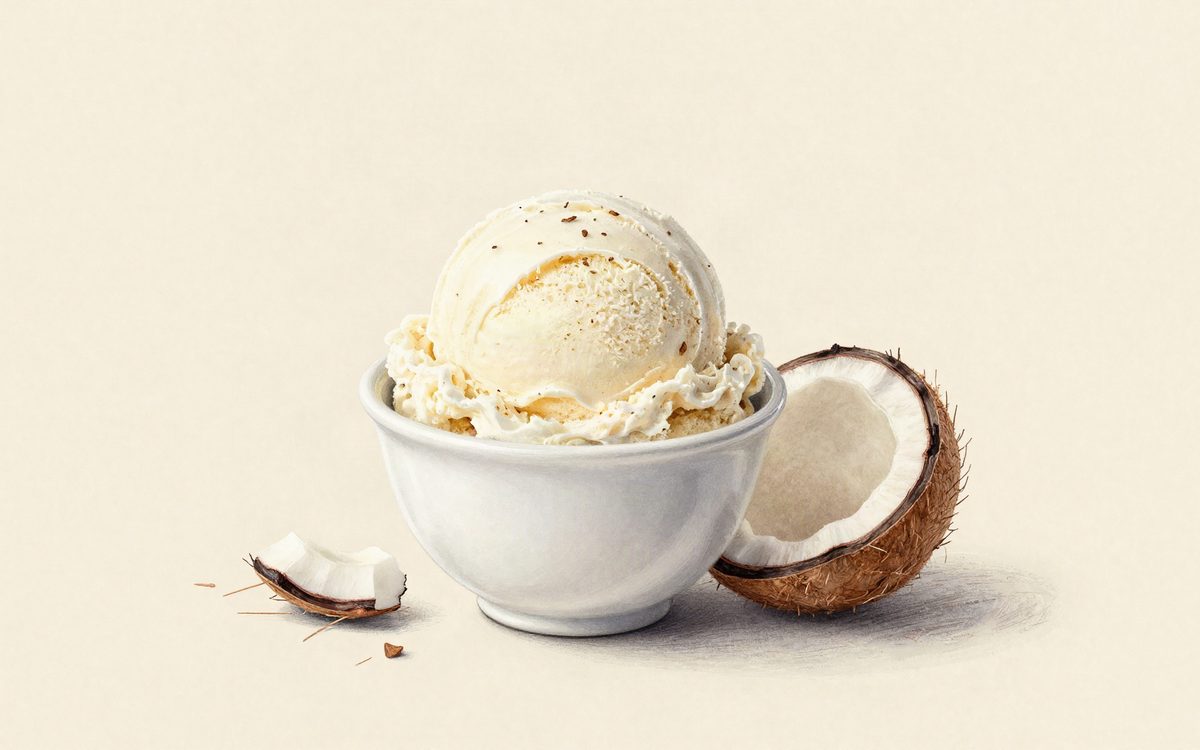
Coats the tongue like a cream base with no sugar bite anywhere, warm aroma at the front, and dry flecks that carry it past the swallow.
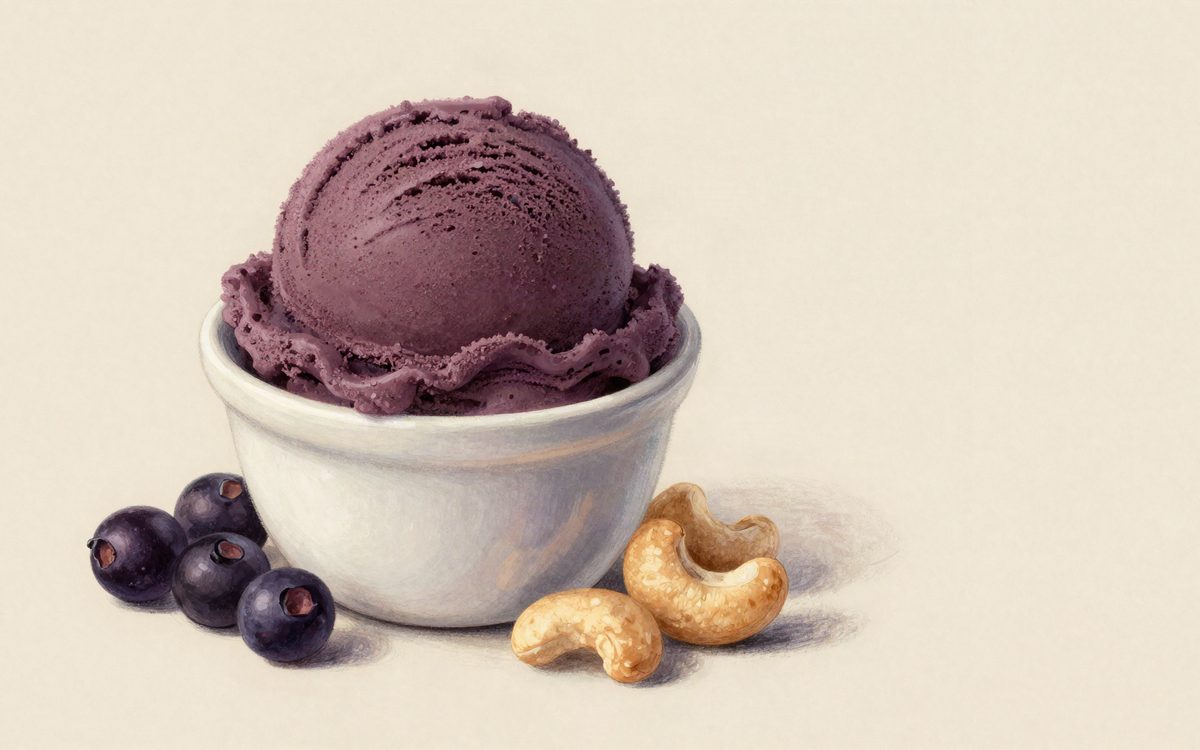
Earthy and dark rather than fruity, thick and creamy without a drop of dairy, with the sweetness all added on purpose and a cool, clean finish.
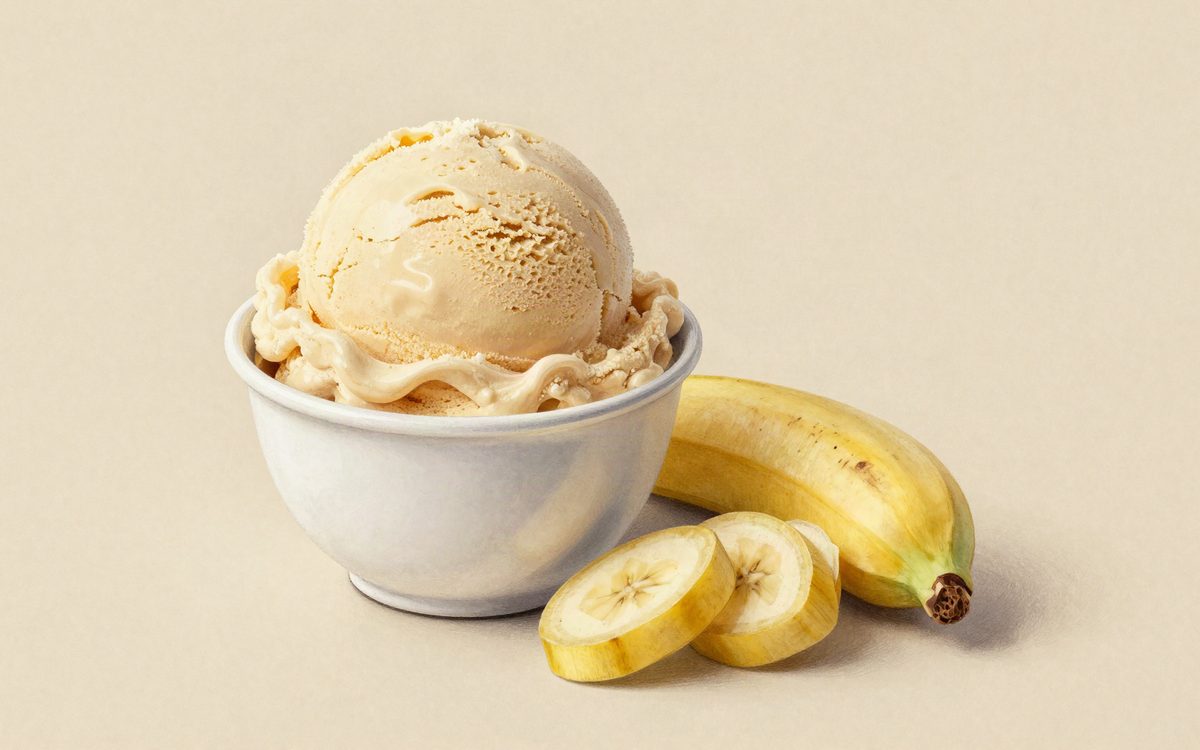
Without a drop of dairy it still eats thick and creamy, ripe fruit at the front, a soft nutty finish, and no ice anywhere on the tongue.
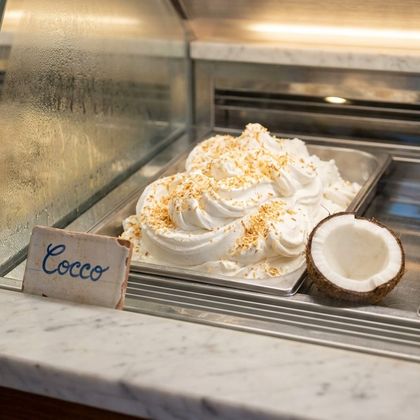
Melts slow and warm instead of finishing clean the way a sorbet does, rich enough to pass for dairy, with a toasted edge from the shredded flesh.
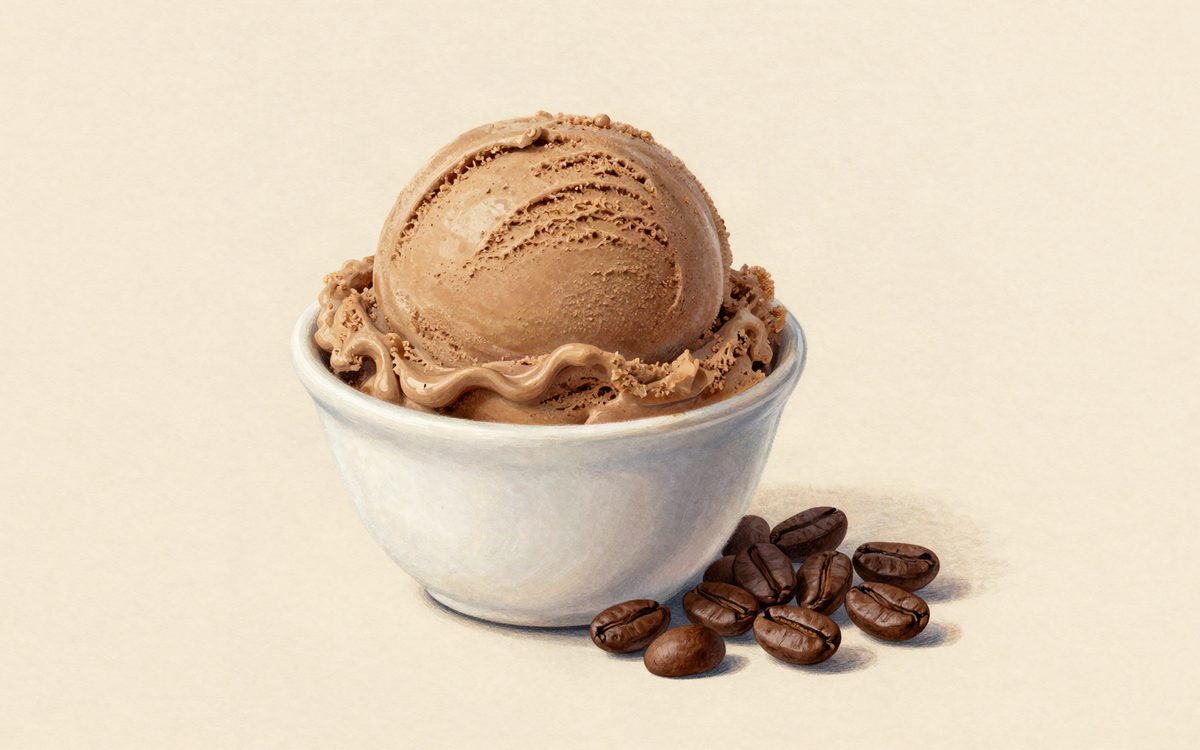
It eats cold and thick for a beat before the coffee arrives, and then the bitterness stays, carried by coconut and cashew fat that coats without turning heavy.
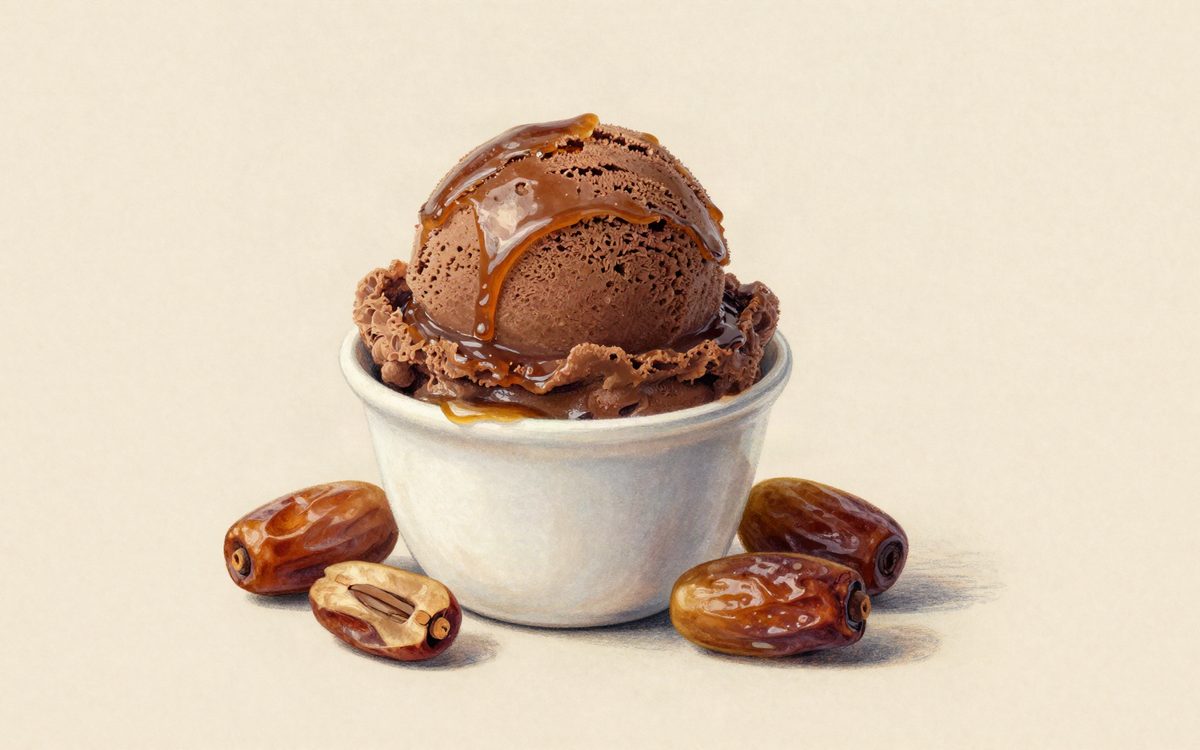
Cooked flavour with nothing cooked in it: deep, treacly and faintly salty, thick enough to coat the tongue and slow to fade once the cold lets go.
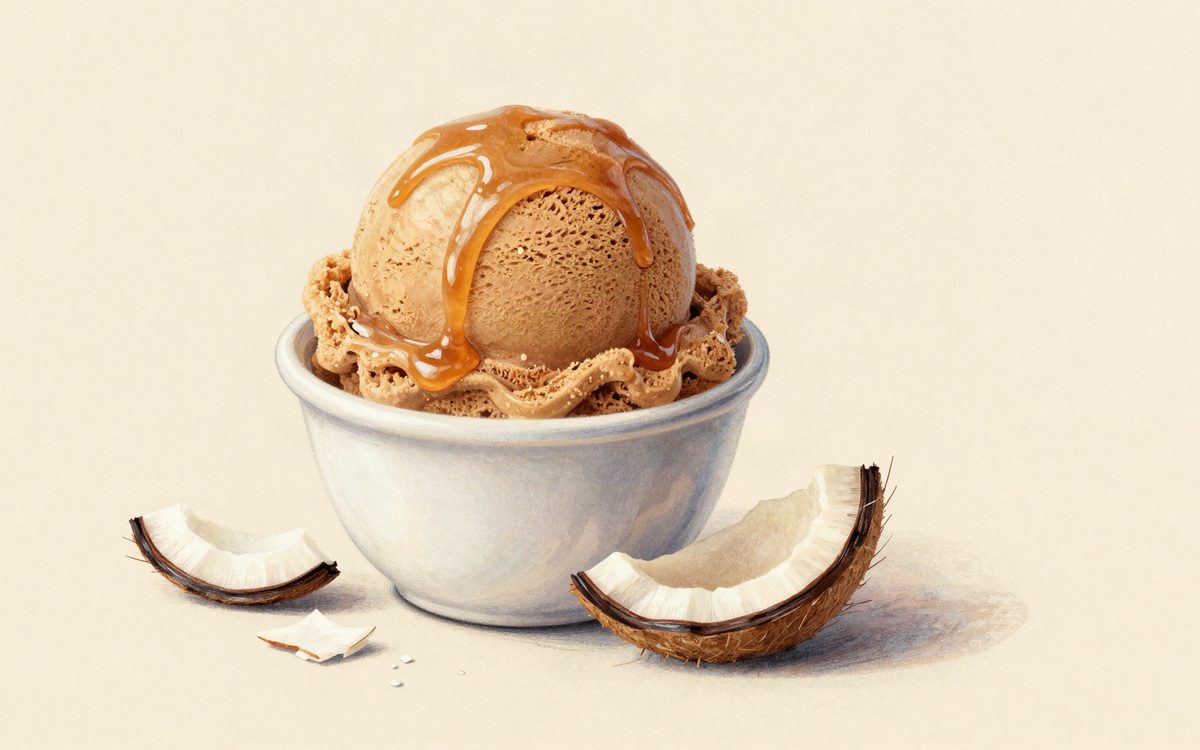
There is caramel and molasses at the front, coconut underneath, and a thick, slow melt that never once reads as a stand-in for something dairy.
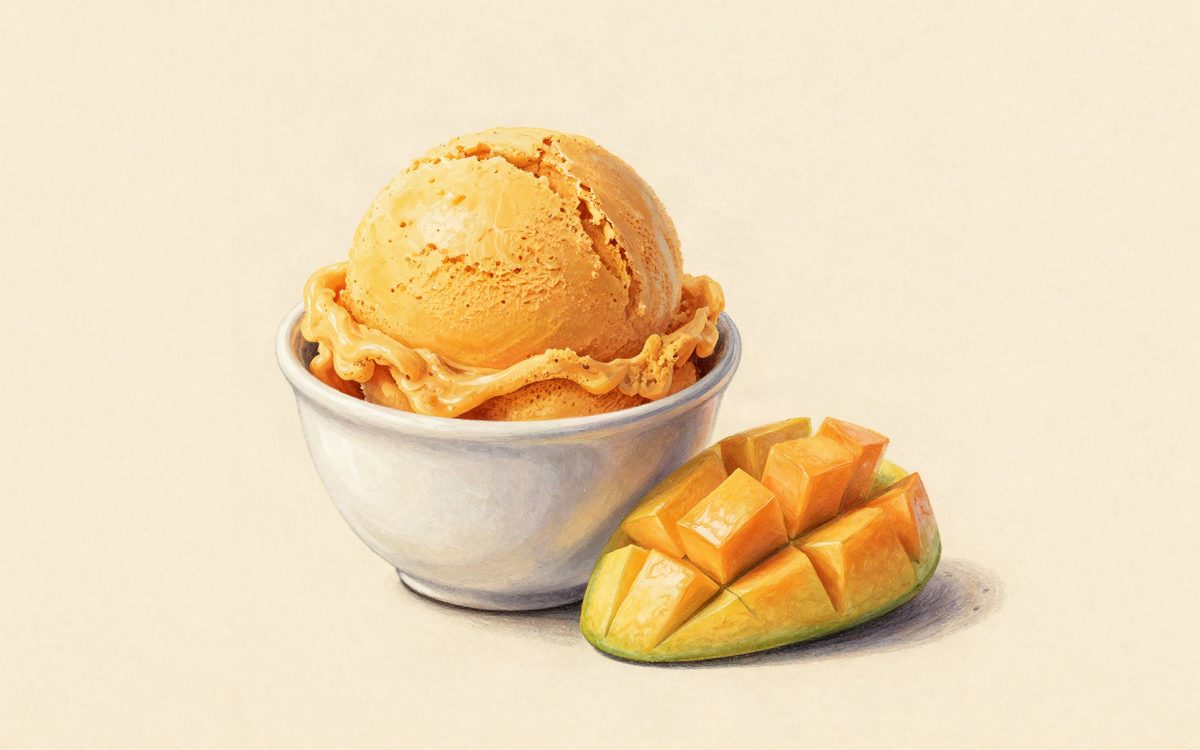
The fruit leads and coconut answers underneath, on a body that melts slowly and never announces itself as the version without any milk in it.
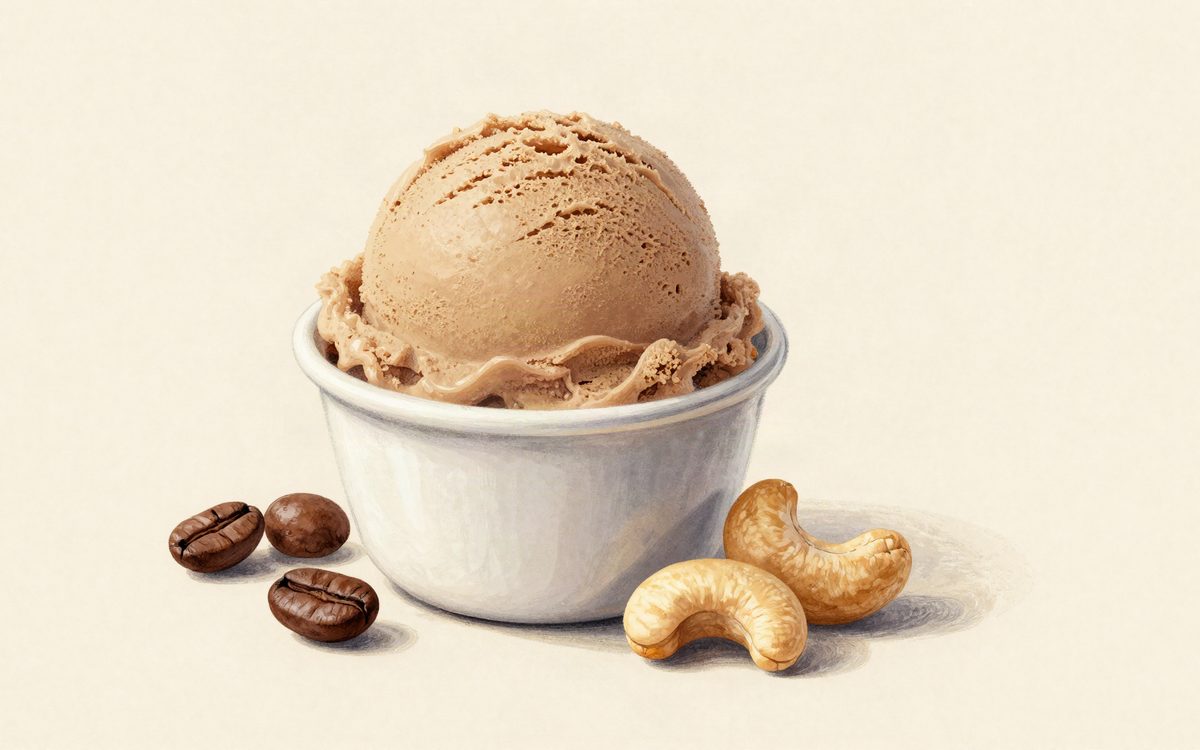
The coffee reads cleaner than it would with milk fat rounding it off, over a firm, cold body that turns creamy on the tongue as it melts.
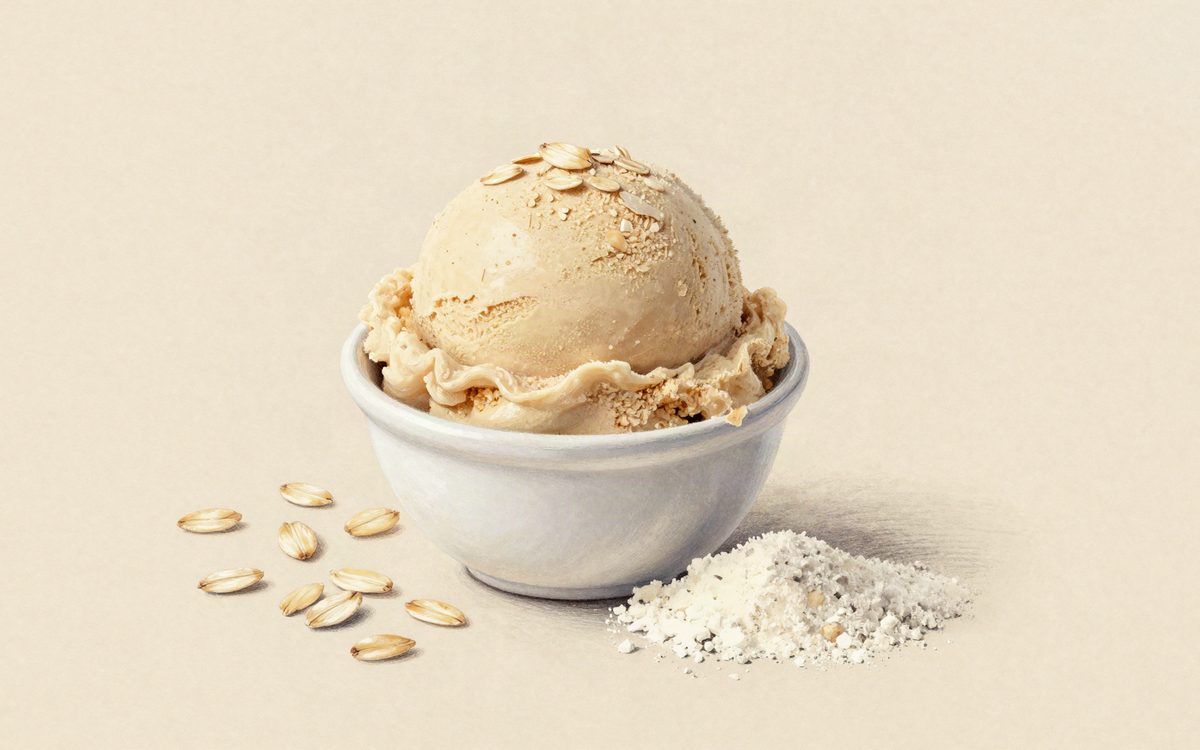
It coats the palate before it cools it, vanilla arriving just behind, then settles into a warm cereal background that keeps going once everything else fades.
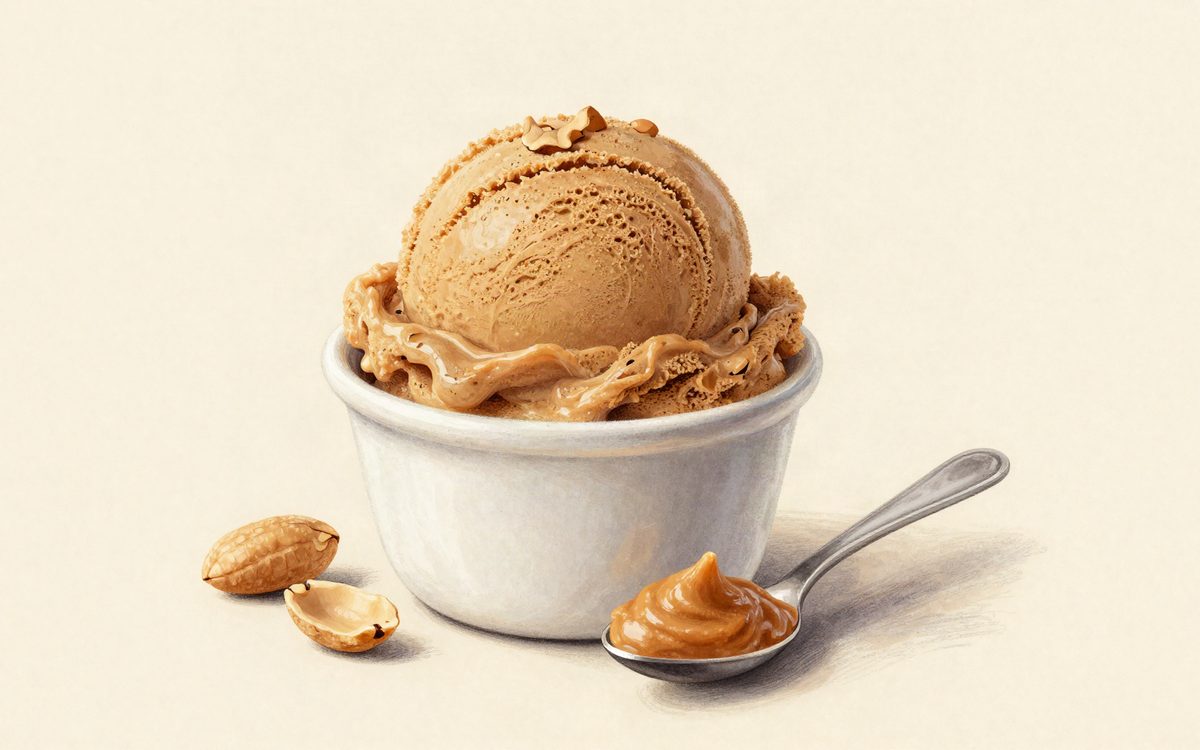
Roasted and properly salted from the first spoon, thick and coating in the mouth, then a clean fade instead of the dairy weight that usually follows.
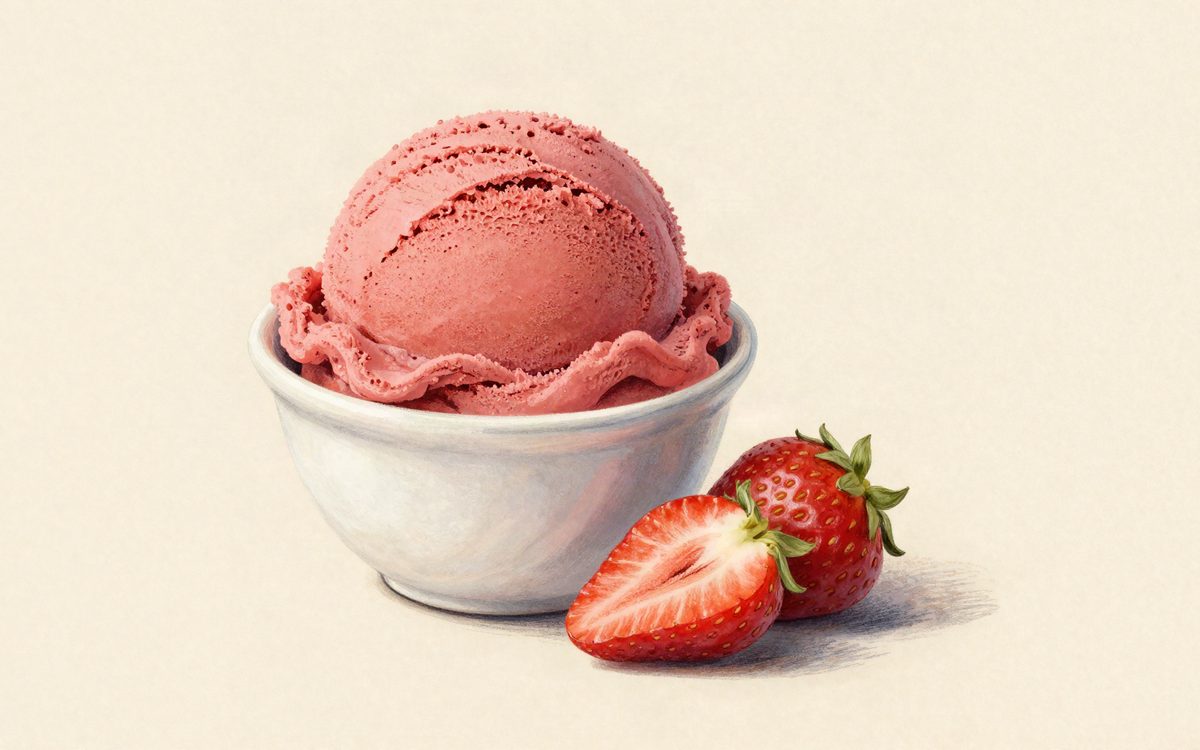
It reads as fruit first, bright and a touch sour, before a coconut and cashew richness closes in behind and holds the berry long after the cold has gone.
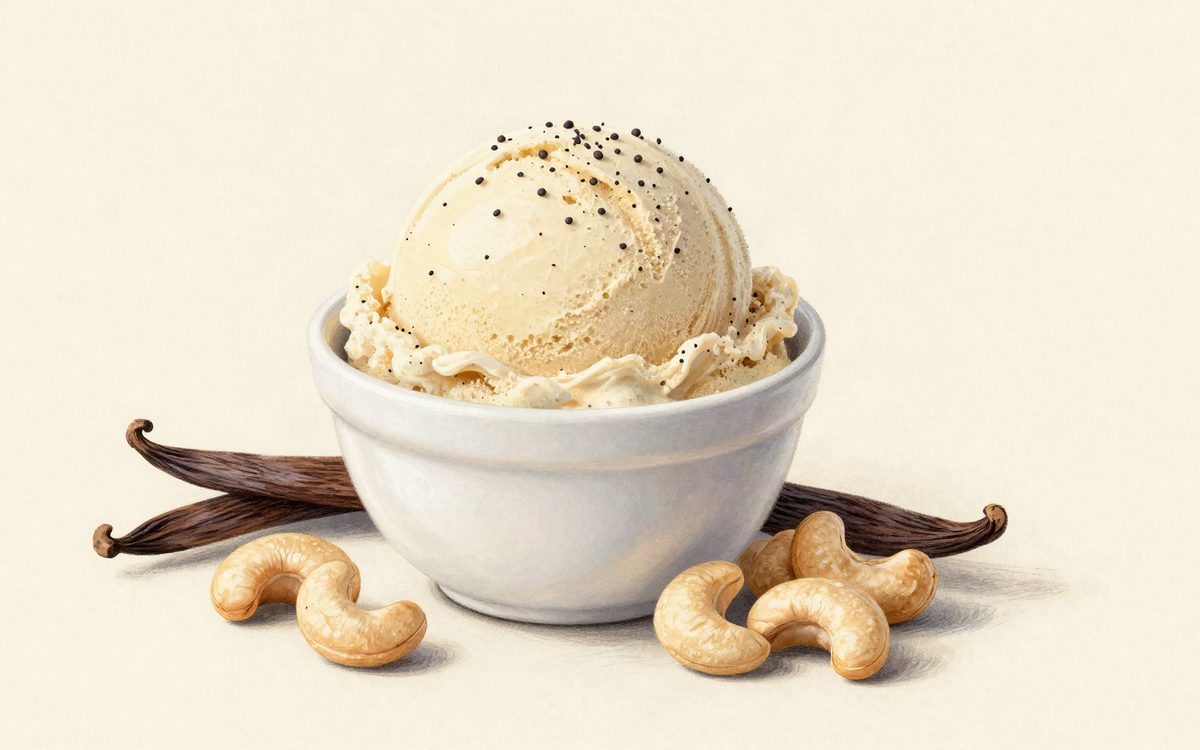
Warm, faintly nutty richness stands in for cream, firm and cold on the spoon, with the flowery side of the pod arriving on top and lasting into the finish.
Vegan chocolate bases pair cocoa with plant milks and plant fats. Cocoa brings its own protein and fat, so these recipes get their own ranges instead of borrowing the ones of a nut or oat base. Check that your chocolate is labelled dairy-free.
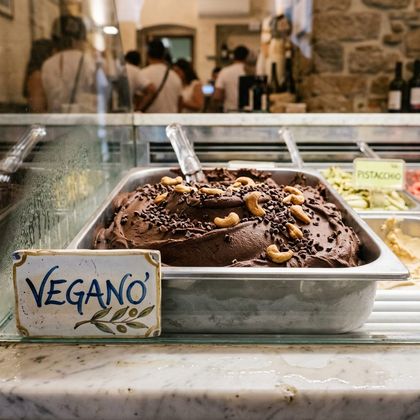
Thick and slow to melt for something with no dairy in it: bitter cocoa first, then a low coconut warmth that fills in behind and stays on the palate.
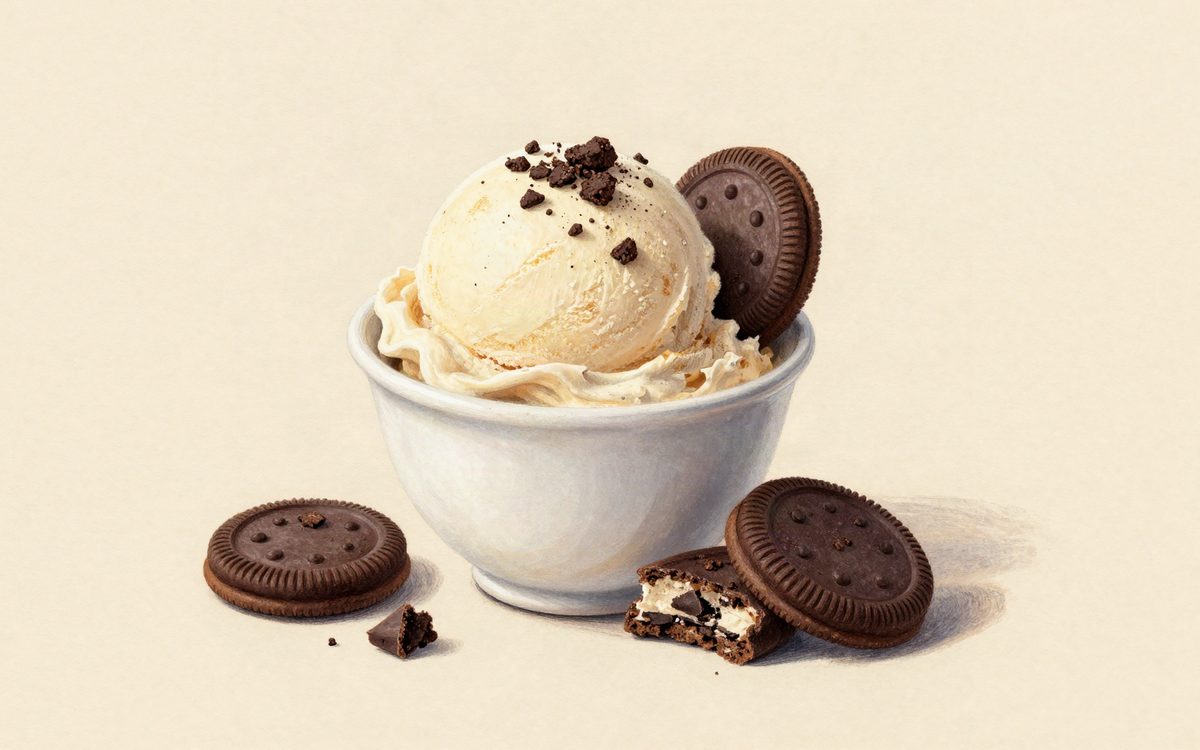
Biting through the biscuit is unchanged; what shifts is the base under it, lighter and cooler in the mouth, with a coconut note sitting behind the vanilla.
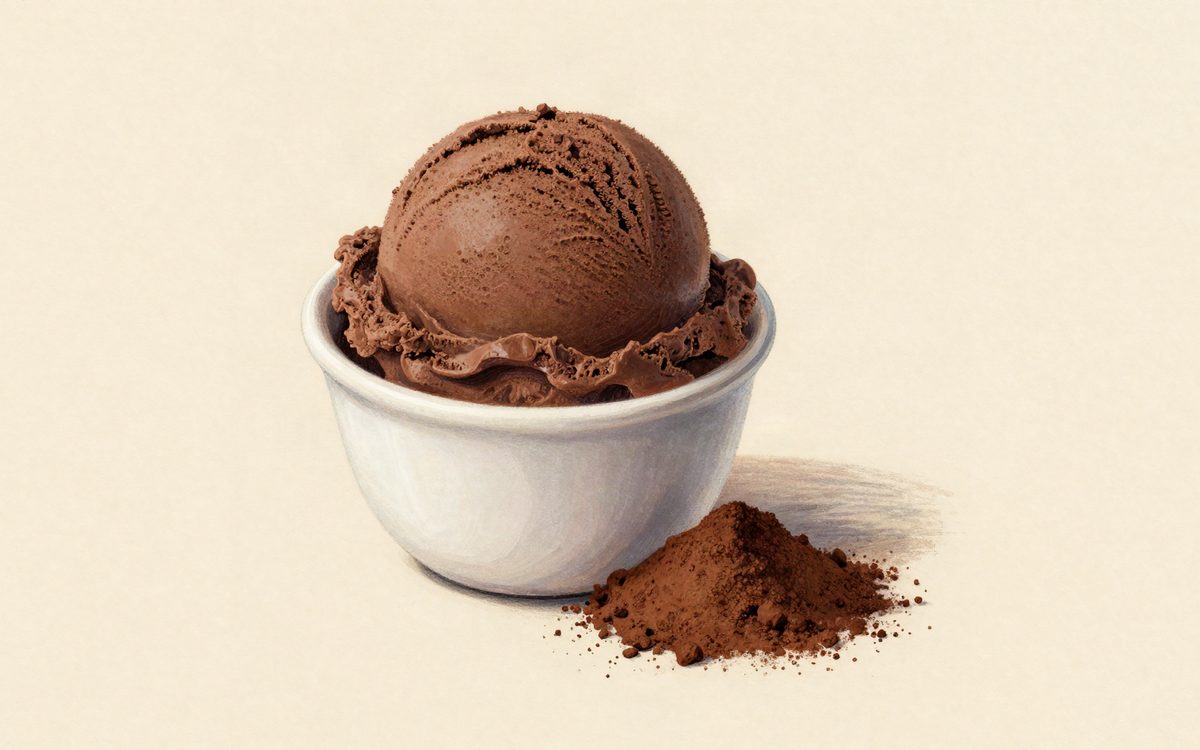
Firm from the freezer, it softens into a coating richness that carries deep, dry cocoa, and the bitterness runs long with no dairy sweetness behind it.
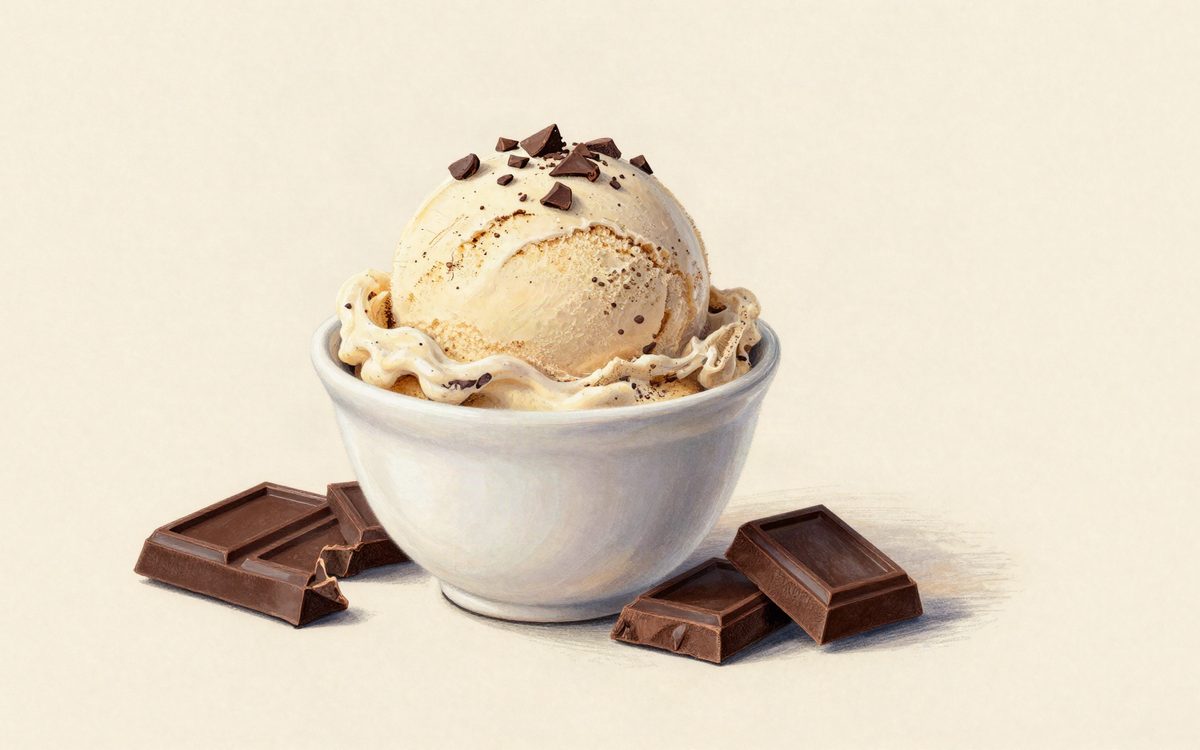
Round and nutty in the body, sharp and cool across the top, with splinters of dark chocolate that break cold between the teeth and leave a dry bitterness behind.
A vegan fruit base is fruit with a little plant fat or protein, from coconut, nuts or oat drink, somewhere between a sorbetto and a creamy vegan gelato. A plain fruit sorbetto is already vegan and sits under Sorbetto.
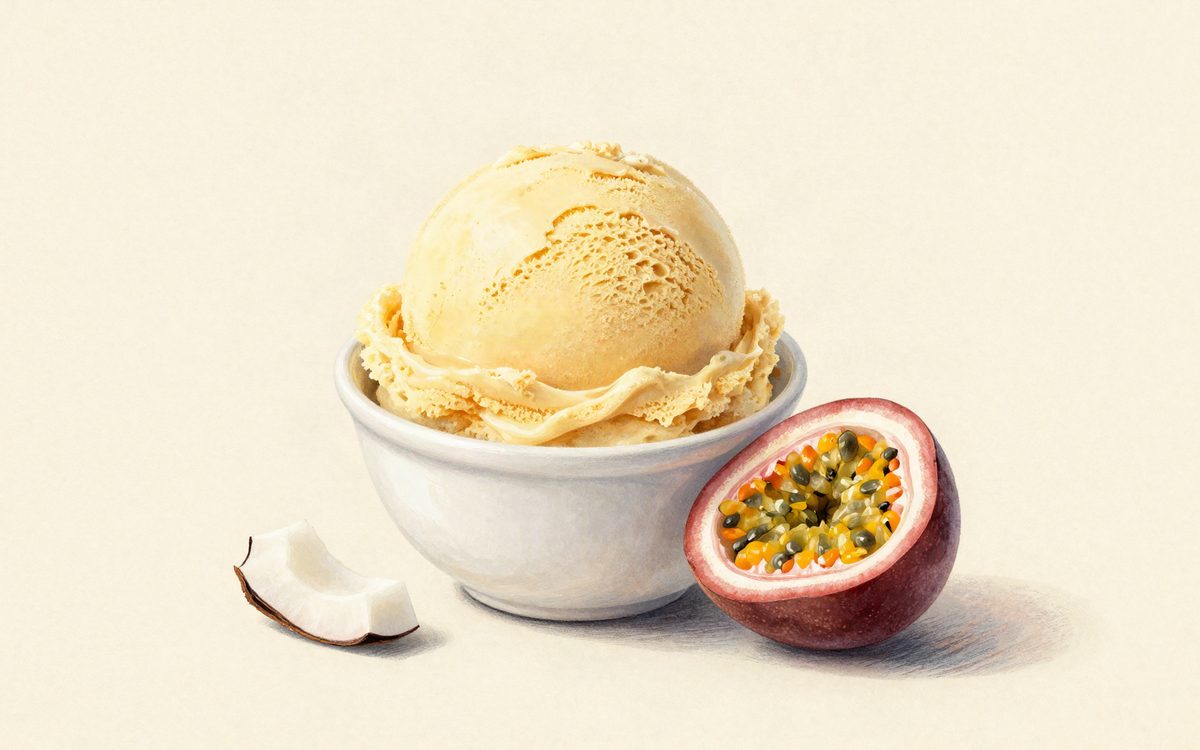
Sharp tropical fruit up front, then a soft coconut roundness underneath, light on the tongue and melting clean with a tart finish that lingers.
A variegato is not a gelato: it is the sauce you ripple through one. It has to stay soft at -18 C inside the gelato, so it is balanced on its own targets, PAC per 100 g of water and the Brix of its water phase, instead of the eight indicators of a mix.
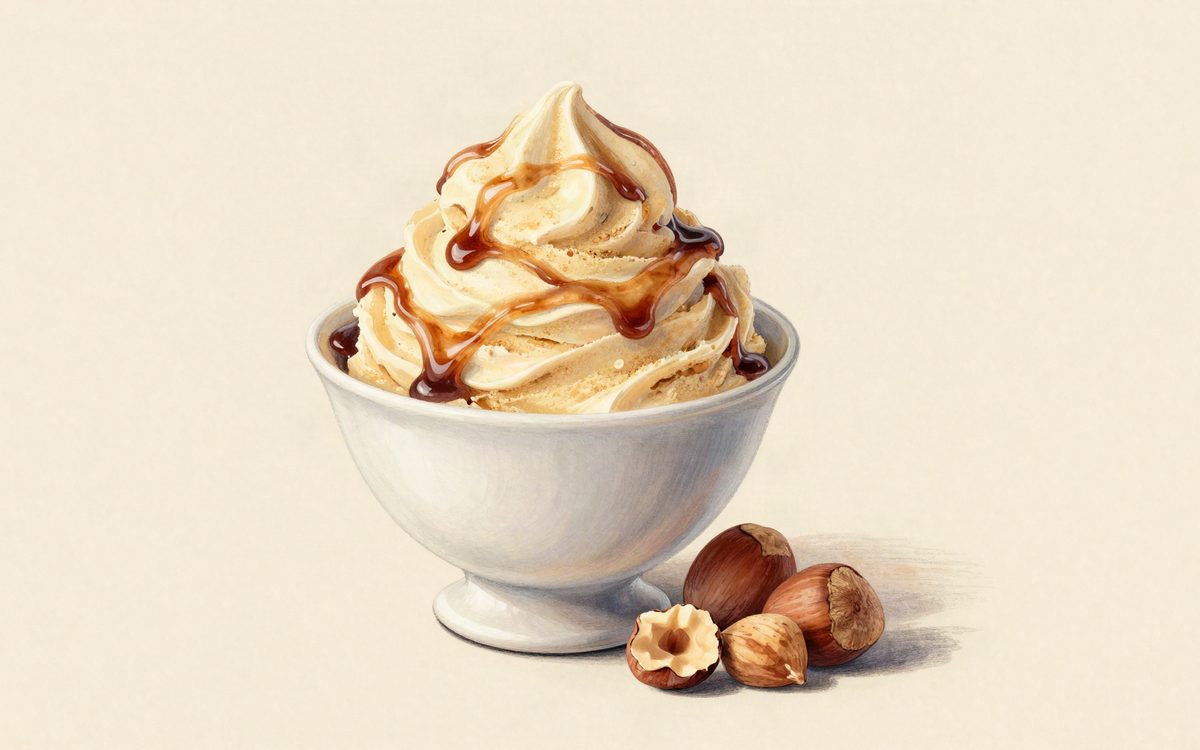
Deep roasted nut on the tongue, soft and silky even straight from the freezer, sweet without any sugar grit and with a faint salty edge at the end.
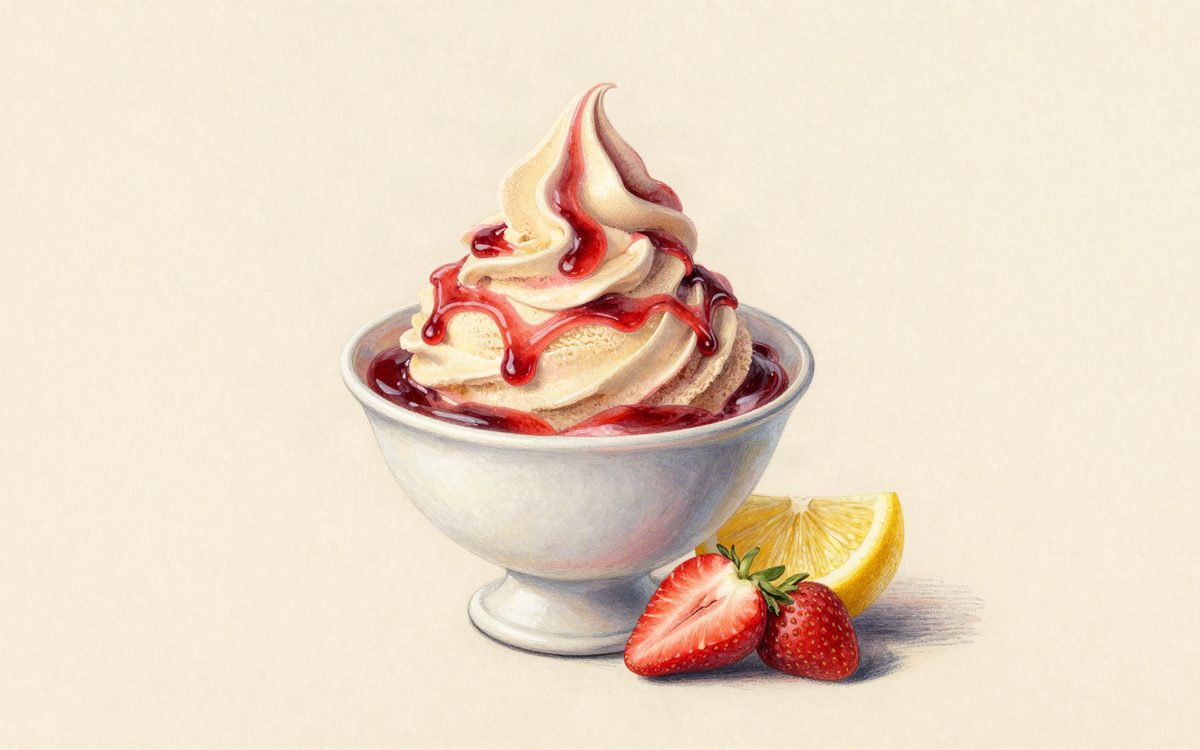
Glossy and bright red, it stays soft enough to streak through frozen gelato, sweet at first touch and then sharp with fresh berry and lemon at the finish.