Apricot Gelato Recipe: Tart Stone Fruit, Balanced Base


Table of contents
A ripe apricot is mostly water and acid with just enough sugar to be interesting. That combination makes it one of the better fruits for gelato and one of the easiest to get wrong, because the fruit that tastes best raw is also the fruit that brings the most water into your mix.
Apricot gelato should read tart first and sweet second; the balance sheet is what keeps it that way.
What an apricot brings to the mix
USDA FoodData Central puts raw apricot at roughly 86.4 g water, 9.2 g total sugars, 2.0 g fibre, 1.4 g protein and 0.4 g fat per 100 g, for about 48 kcal. The Free Gelato Balancing App ingredient table carries almost the same figures: 13.5 percent total solids, 9.2 percent sugars, 0.4 percent fat, a POD of 9.1 and a PAC of 12.5.
Read those numbers as a warning. At 30 percent fruit, the purée contributes about 260 g of water to a kilo of mix and only 40 g of solids. Everything you do afterwards is compensation for that water, which is why fruit gelato lives at the low end of the solids window while a cream base lives at the high end.
Apricot is also acidic. The FDA reference tables on the approximate pH of foods place apricots roughly between pH 3.3 and 4.8 depending on cultivar and ripeness, with malic acid dominant. That acidity is an asset: it sharpens the fruit and it makes a given amount of sugar taste less cloying. It is also a constraint, because acid in a dairy mix is a coagulation risk if you add it hot to milk protein.
The orange comes from carotenoids, which are fat soluble, reasonably heat stable and vulnerable to light and oxygen rather than to the pasteurizer. A pale apricot gelato is usually a ripeness problem, not a processing one.
Finally, apricot browns. Polyphenol oxidase acts within minutes on cut flesh and the reaction is not reversible. Heat denatures the enzyme and acid slows it, which is why the method below blanches the fruit and why lemon juice is in the formula even though the mix is not short of acid.
Choose and prepare the fruit
Ripeness is the single biggest lever on this recipe. An underripe apricot brings the same water with less sugar, less aroma and more astringency, and no amount of balancing recovers the flavour.
Measure rather than guess. Fresh apricot typically lands between 11 and 14 Brix, and Brix on a refractometer is close enough to soluble solids for recipe work. This recipe assumes 13 Brix. If your fruit reads 11, your 300 g of purée carries 6 g less sugar than the sheet expects, so add 6 g of sucrose and take 6 g out of the milk. If it reads 15, do the reverse. The brix meter guide covers how to take the reading properly and Brix versus total solids explains why the two are not the same thing.
Frozen apricot purée is a legitimate choice and often more consistent than fresh, but check whether it is sweetened. A 10 percent added-sugar purée changes the sugar bill by 30 g on this recipe, which is most of the dextrose.
The recipe: 1000 g of apricot gelato mix
Written for 1000 g of mix, roughly 1.2 litres of finished gelato at 30 percent overrun. A kilo of mix is about 910 mL at a mix density near 1.1 kg per litre; overrun is volume rather than weight, so the tub still holds a kilo.
| Ingredient | Grams | Percent |
|---|---|---|
| Apricot purée (about 13 Brix) | 300 | 30.0 |
| Whole milk, 3.5 percent fat | 391 | 39.1 |
| Heavy cream, 35 percent fat | 75 | 7.5 |
| Skim milk powder | 40 | 4.0 |
| Sucrose | 130 | 13.0 |
| Dextrose monohydrate | 44 | 4.4 |
| Fresh lemon juice | 16 | 1.6 |
| Stabilizer blend | 4 | 0.4 |
| Total | 1000 | 100.0 |
To get 300 g of purée, start with about 340 g of whole apricots. The stone is roughly 6 to 7 percent of the fruit by weight and you will lose a little more to trimming, so budget around 12 percent waste. Apricot skin is thin and pleasant, and leaving it on adds colour and fibre; peel only if you are chasing a very smooth mouthfeel.
The sugar split is the part worth understanding. Sucrose is the reference for both sweetness and freezing point depression, at 100 for each. Dextrose monohydrate, in the app's table, comes in at a POD of 64 and a PAC of about 175 on a 92 percent solids basis, so it buys you a large amount of softness for relatively little sweetness. That is exactly the trade a fruit gelato needs, because the fruit has already spent part of the sweetness budget and none of the structure budget.
Skim milk powder at 4 percent is doing the structural work the fruit cannot. Milk protein stabilises the air cells whipped in during churning, and the lactose adds solids without much sweetness.
The balance sheet
Every figure below is calculated on 1000 g of mix from the app's ingredient values.
| Parameter | This recipe | Fruit gelato range |
|---|---|---|
| Total solids | 33.3 percent | 32 to 38 percent |
| Sugars | 19.8 percent | 18 to 22 percent |
| Fat | 4.2 percent | 3 to 8 percent |
| MSNF | 7.7 percent | 6 to 11 percent |
| Sweetening power (POD) | 19.3 | 16 to 22 |
| Anti-freezing power (PAC) | 28.7 | 26 to 32 |
Total solids at 33.3 percent sit deliberately near the floor. Push fruit above 30 percent and solids fall below 32, at which point there is too much free water and the gelato reads icy no matter how cleanly you churn. Pull fruit below 25 percent and the apricot stops being the point of the flavour.
Quick reference. Hold fruit at 25 to 30 percent, total solids at 32 to 38 percent, sugars at 18 to 22 percent and PAC at 26 to 32. Use dextrose, not more sucrose, when the scoop comes out too hard.
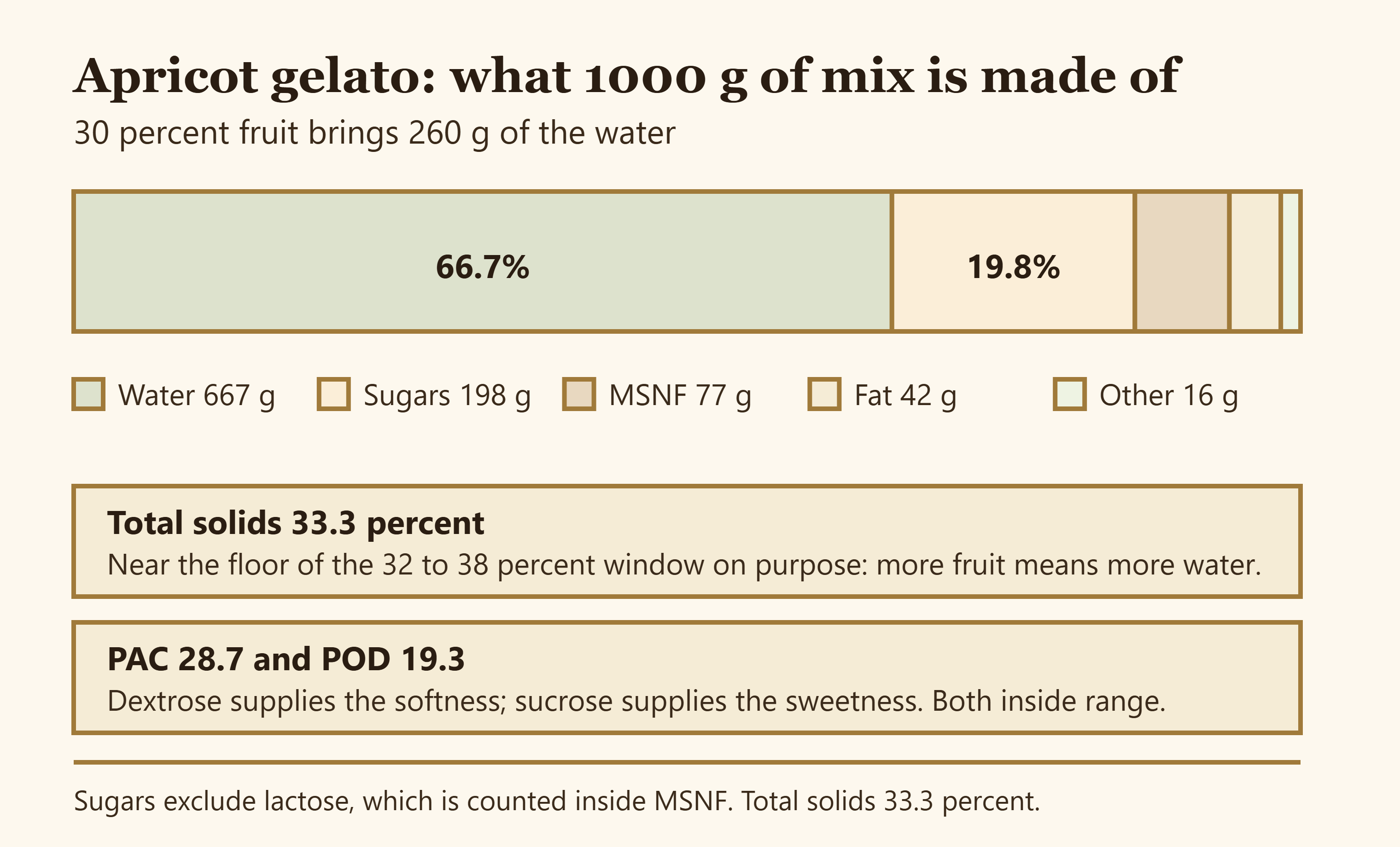
Figure 1 — two thirds of the mix is water; everything in the balance sheet is an argument about the other third.
Method, step by step
- Prepare the fruit. Halve and stone 340 g of ripe apricots. Blanch the halves for 60 seconds in boiling water and chill them immediately in iced water. The blanch denatures polyphenol oxidase, so the purée keeps its colour, and it softens the flesh for blending.
- Purée and acidify. Blend to a smooth purée with the 16 g of lemon juice. Weigh out exactly 300 g. Take a Brix reading now and correct the sugar as described above before you go any further.
- Blend the dry ingredients. Whisk the skim milk powder, stabilizer blend and about a tenth of the sucrose together dry. A stabilizer tipped straight into liquid clumps, and a clumped stabilizer never hydrates.
- Pasteurize the dairy. Combine milk, cream, remaining sucrose and dextrose. Heat to 45 C, rain in the dry blend while whisking, then take the mix to 85 C. The pasteurization deep dive covers the alternatives if you are working to a specific legal standard.
- Cool before the fruit goes in. Crash cool the dairy base to 4 C, then fold in the cold apricot purée. Adding acidic fruit to hot milk is how you get a grainy, curdled base; keeping the fruit out of the heat also keeps the fresh aroma.
- Age. Hold at 4 C for 6 to 12 hours. Maturazione is where the stabilizer finishes hydrating and the fat partially crystallises. A mix churned straight from the pasteurizer whips badly and melts fast.
- Churn. Batch freeze to about minus 8 C draw temperature, targeting 30 percent overrun. Fruit gelati take air less readily than cream bases, so do not chase a number that the machine will not give you.
- Harden and serve. Blast freeze to minus 18 C for storage and temper to minus 12 C for service. The PAC figure above is designed for that serving temperature.
Troubleshooting
It is icy. Total solids, almost always. Either the fruit came in under 12 Brix or the fruit ratio crept past 30 percent. Add 10 to 20 g of skim milk powder per kilo, or drop the fruit to 27 percent and retest.
It is too hard out of the cabinet. PAC is low for your serving temperature. Swap 15 g of sucrose for dextrose, which raises PAC without raising sweetness much, then re-run the numbers in the PAC calculator.
It is too soft and melts on the spatula. The opposite problem. Dextrose is probably over, or the fruit was very ripe and came in high on sugar. Move 10 g back from dextrose to sucrose.
The colour is dull or brownish. The fruit browned before it was heated. Blanch sooner after cutting, and do not let cut halves sit in air while you finish the rest of the batch.
The base looks grainy or split. Acid met hot milk. Chill the dairy base fully before the purée goes in, every time.
The flavour is flat. Usually underripe fruit, occasionally too much fat masking it. Try dropping the cream to 50 g and putting the difference back as milk, and check the sweetness is not sitting above POD 22.
Balanced version and related pages
- Balanced version with full metrics: Apricot Gelato
- Ingredient sheet: Apricot
- Troubleshooting: Why Acidic Fruit Curdles Dairy Gelato, and How to Stop It
Related Concepts
- Peach gelato recipe
- Amarena cherry gelato recipe
- How to balance a gelato recipe
- Gelato total solids guide
- Brix versus total solids in sorbet
- Stone fruit Brix correction guide: how to adjust sugar when peaches, apricots or plums come in under the expected Brix
- Skim milk powder in gelato
- PAC, anti-freezing power
- POD, sweetening power
- Maturazione


