Vegan gelato.
Gelateria texture.
No milk.
Milk does four jobs in gelato: fat, protein, solids and emulsion. Most vegan ice cream reassigns one of them and comes out icy or waxy. This book hands all four to a plant ingredient on purpose, in grams, and proves it with 3 white bases and 24 recipes balanced in the same engine as the Free Gelato Balancing App.
PDF, instant download. Yours to keep.
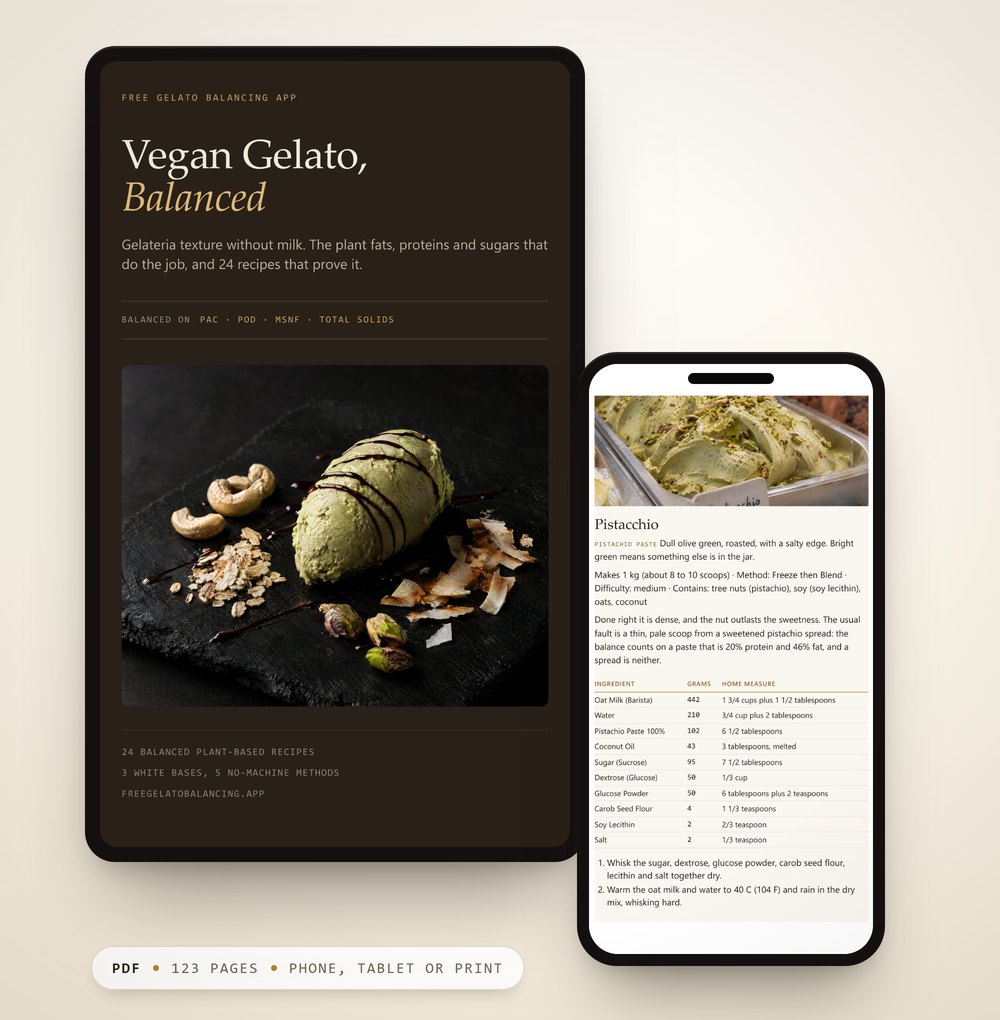
Make plant-based gelato with gelateria texture, on purpose
Take the milk out of a gelato base and you have not removed one ingredient. You have removed four: the fat, the protein, the solids and the emulsion that held them together. This book teaches you to hand each of those jobs to a plant ingredient, in grams, and to check the result against the same eight numbers a gelateria checks.
By the last page you will read a plant base the way a gelatiere reads one: not as a list of ingredients but as four jobs and who is doing them. You will be able to build a flavour on any of the three white bases, take an allergen out without breaking the balance, and explain, repeat and rescue every batch.
The four jobs of milk, reassigned
Fat, protein, solids, emulsion. Which plant ingredient takes each job, at what dose and why: coconut oil under 5% of the batch because it melts at about 24 C, nut paste dosed by protein and not by flavour, sugars carrying all of the PAC because there is no lactose.
Three white bases, no machine needed
Oat, cashew and coconut: three balanced bases that every flavour builds on. The five no-machine methods keep the names the first book gave them, Freeze and Stir, Freeze then Blend, Ice and Salt Bath, Whipped No-Churn and Countertop Machine, and the book says which one suits a plant base and which one to skip.
The exact step-by-step
Every recipe is a precise procedure: grams to 1 kg with home measures beside them, 40 C for the dry mix, 60 seconds of immersion blender, 85 C for 2 minutes, under 5 C within 2 hours, then 6 to 12 hours of rest. Each page prints its eight numbers and its allergen line.
You swapped the milk for a carton of almond milk. It came out icy, or waxy.
You took a gelato recipe, put oat or almond milk where the milk was, maybe added coconut for richness, and froze it. The next day it was either a block of ice or a scoop that left a film on your tongue.
So you decided vegan gelato is a compromise. That conclusion is the reason most people stop, and it is the wrong one. Icy and waxy are the same mistake seen from two sides.
Milk does four jobs in gelato: fat, protein, solids and emulsion. A carton of almond milk is 97% water, so it does none of them. Most vegan ice cream hands one job, usually fat, to coconut and leaves the other three empty. Icy means the water had nothing holding it. Waxy means the fat was replaced with coconut oil and nothing else was, so the fat is all you notice.
It was never the missing milk. It was the four jobs nobody reassigned.
Whole milk is 87.5% water. The other 12.5% is fat, protein, lactose and minerals, and each does a separate job once the base starts to freeze. Plant milks cannot take over: commercial almond milk is 97% water, and even barista oat milk brings 1% protein. A carton is the liquid of the recipe, never its structure.
With no lactose, the sugars carry all of the PAC. In a milk gelato, the milk and the milk powder bring roughly a quarter of it before any sugar goes in; in a plant base that hole is about 40 PAC points, which is 40 g of sucrose or 23 g of dextrose per kilo. That is why cutting sugar from a vegan recipe hands you a brick, and why most recipes here split their sugar between sucrose, dextrose and glucose powder.
Fat and protein are dosed the same way, by number. Coconut oil melts at about 24 C: under 5% of the batch it reads clean, past that it reads as wax, and no recipe here passes 47 g per kilo. Nut paste is dosed by protein, not by flavour: 25 g of protein per kilo is 139 g of cashew paste or 125 g of pistachio paste, and the fat that arrives with it decides how much coconut oil, if any, closes the gap.
So the book is not a list of substitutions. It is the professional balancing framework, rewritten for a pantry with no milk in it, plus 3 white bases and 24 recipes already balanced in the same engine as the app, each with the plant-based range printed beside its numbers.
Twenty-four recipes, each one the four jobs solved in grams
- Recipes
- 24, each balanced to 1 kg and printed with its eight numbers
- White bases
- 3: oat, cashew and coconut. Every flavour starts from one of them
- The science
- The four jobs of milk, plant fats, proteins and sugars, PAC and POD, in plain language
- Figures
- 8, computed from the app's ingredient database
- Methods
- The 5 no-machine methods from the first book, or a machine if you own one
- Step-by-step
- Grams with home measures, temperatures, blending, resting and freezing, on every recipe
- Allergens
- A Contains line on every recipe, plus a swap table for nut-free, soy-free, coconut-free and no added sugar
- Troubleshooting
- 14 symptoms, each with the fix for the tub in front of you and the recipe change
- Gelateria
- Display life, scaling to 5 kg and a costing method per kilo
- Languages
- English, Italian, Spanish and Portuguese. One purchase, all four files
All twenty-four, by name
Three white bases, fourteen classics, four fruit flavours, a coconut dulce de leche, a high-protein chocolate and a coconut with no added sugar.
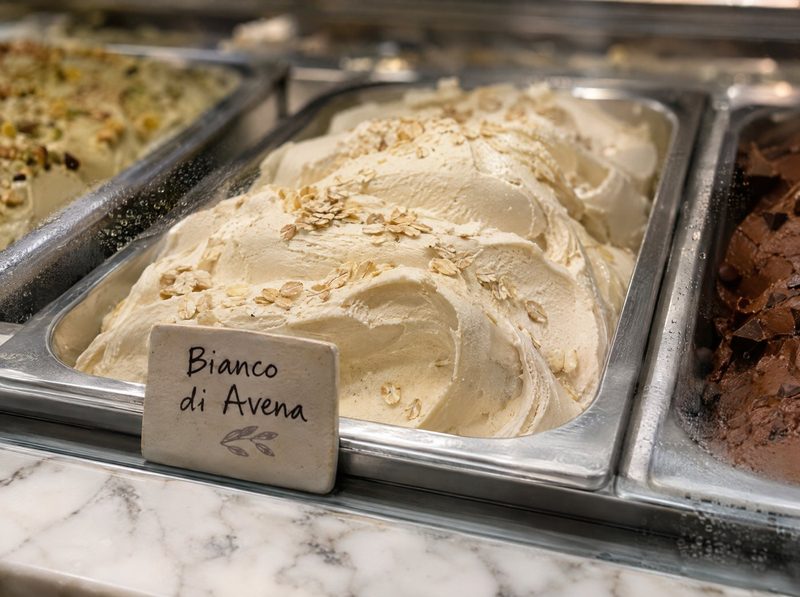 White basesBianco di AvenaOat White Base
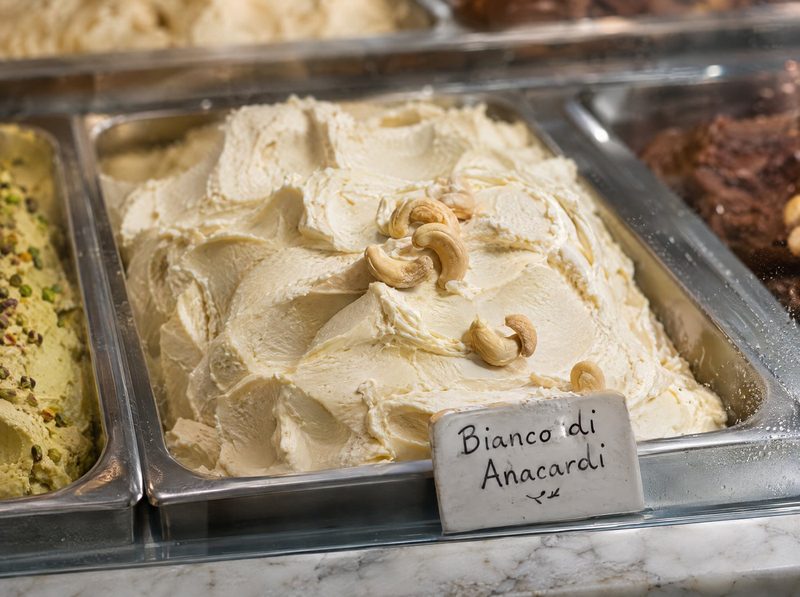 White basesBianco di AnacardiCashew White Base
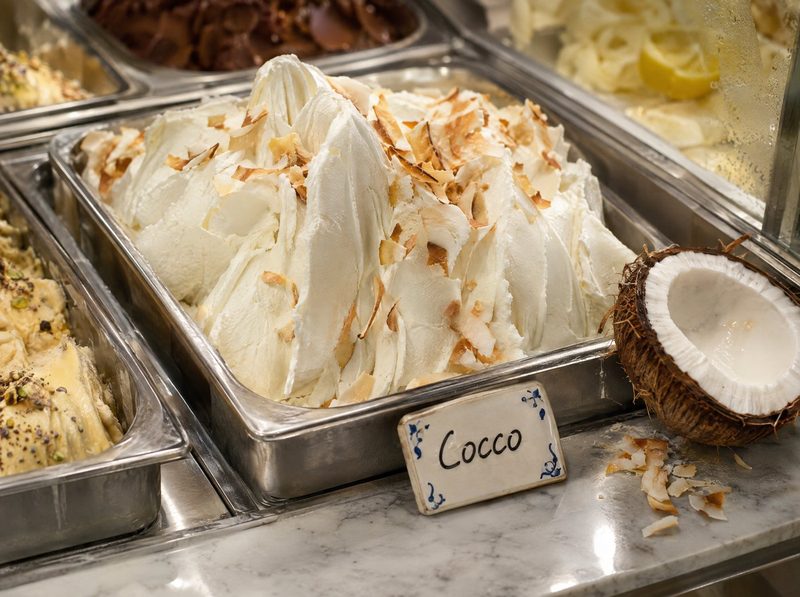 White basesCoccoCoconut White Base
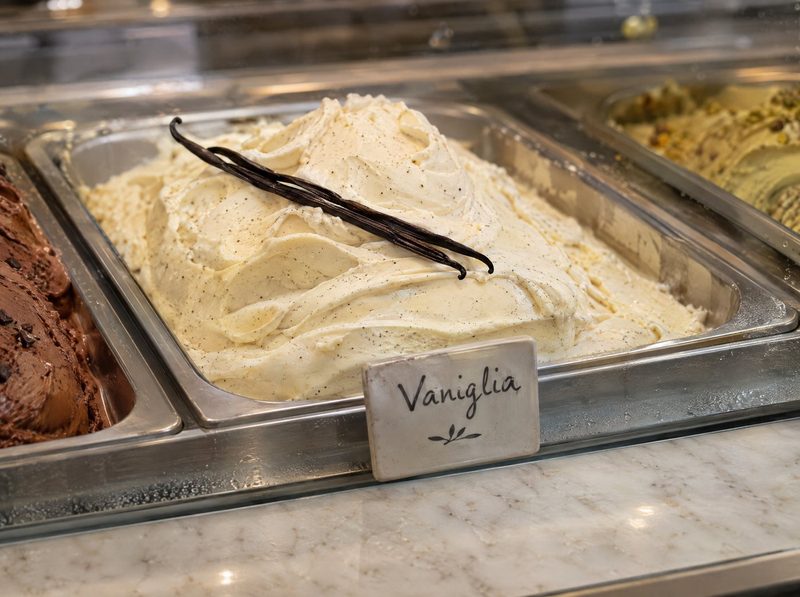 ClassicsVanigliaVanilla Bean
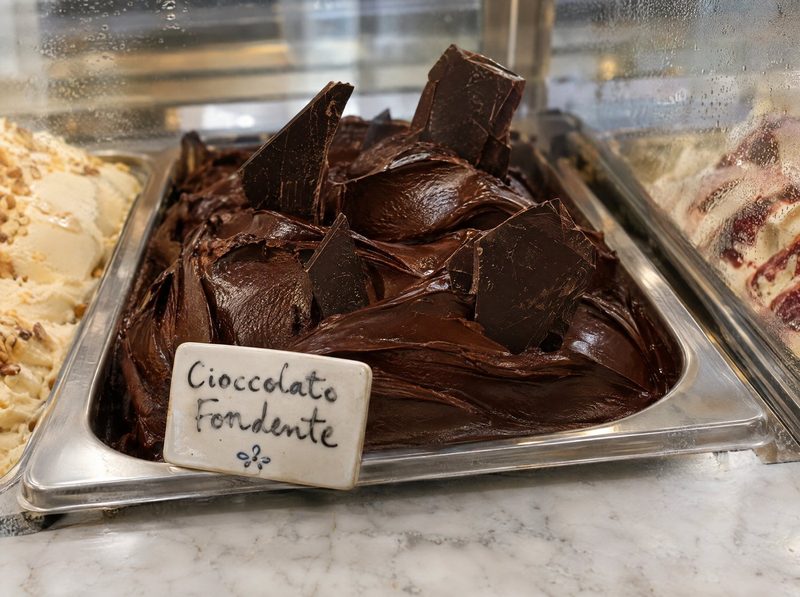 ClassicsCioccolato FondenteDark Chocolate
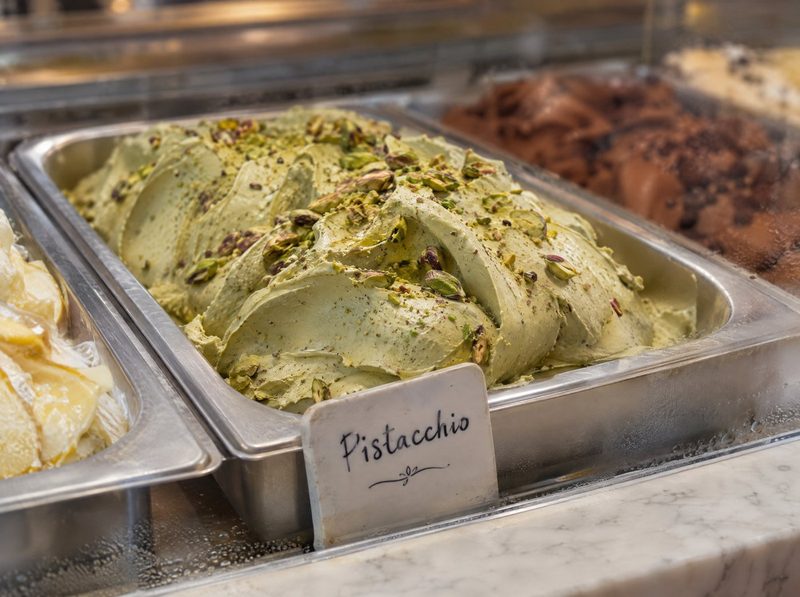 ClassicsPistacchioPistachio Paste
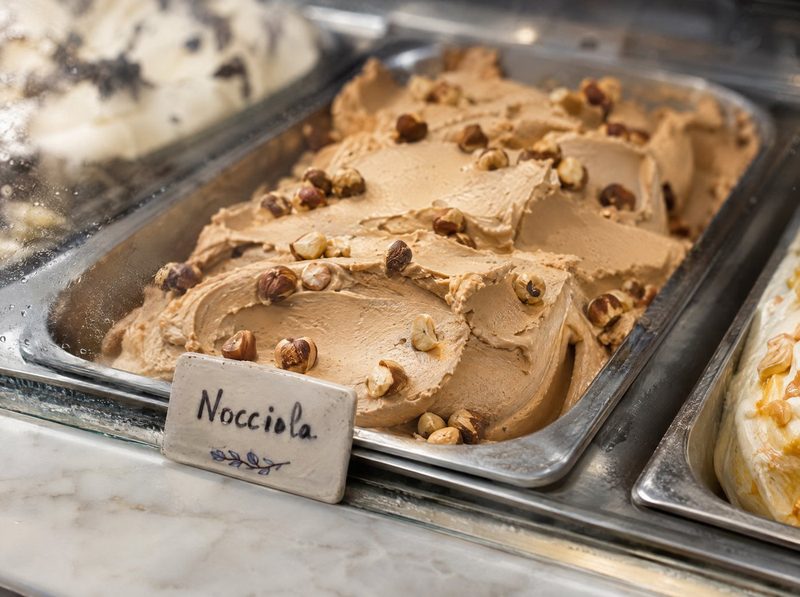 ClassicsNocciolaPiedmont Hazelnut
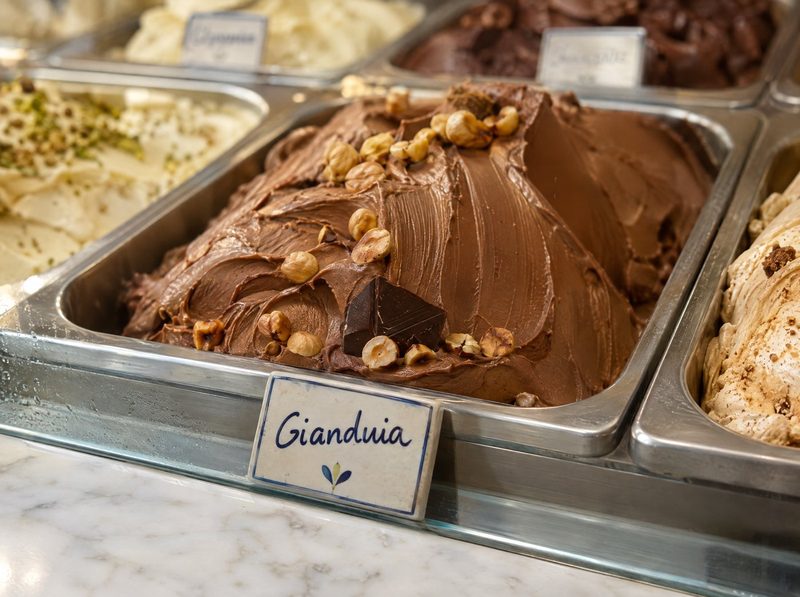 ClassicsGianduiaHazelnut and Chocolate
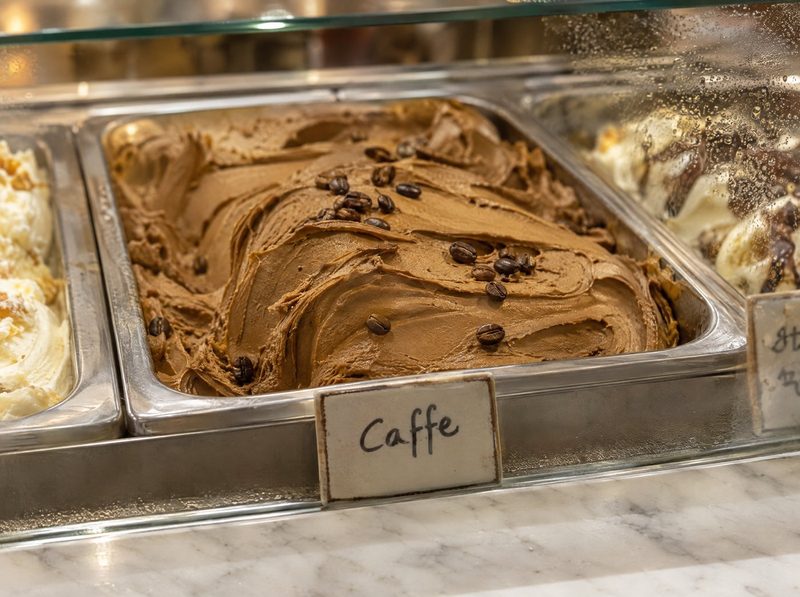 ClassicsCaffeEspresso
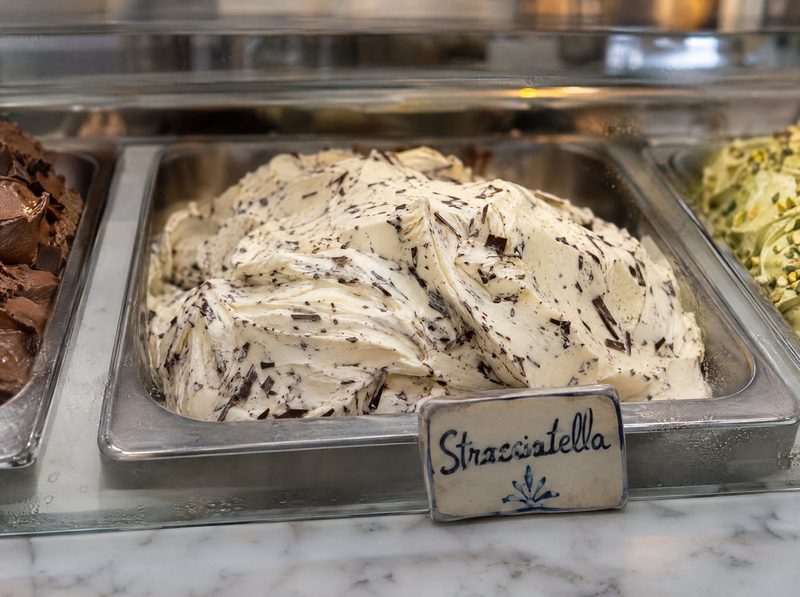 ClassicsStracciatellaCashew Base with Chocolate Shards
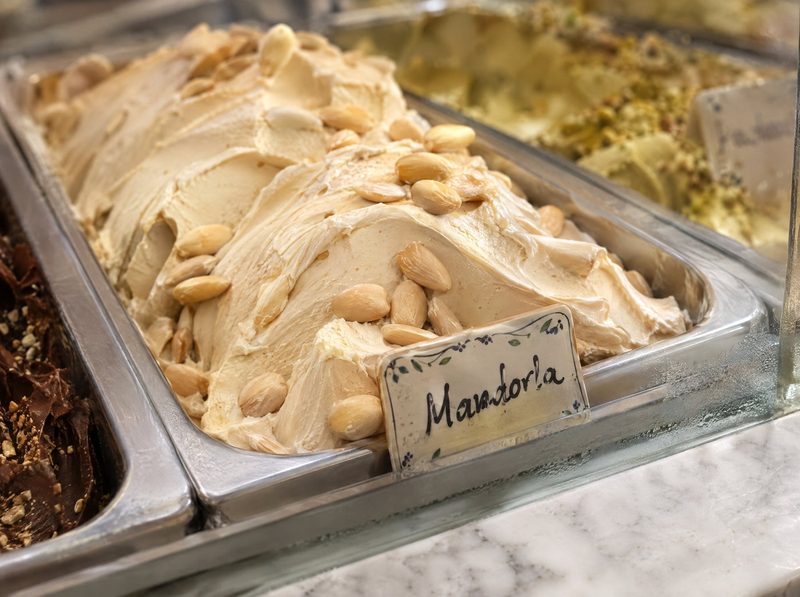 ClassicsMandorlaSicilian Almond
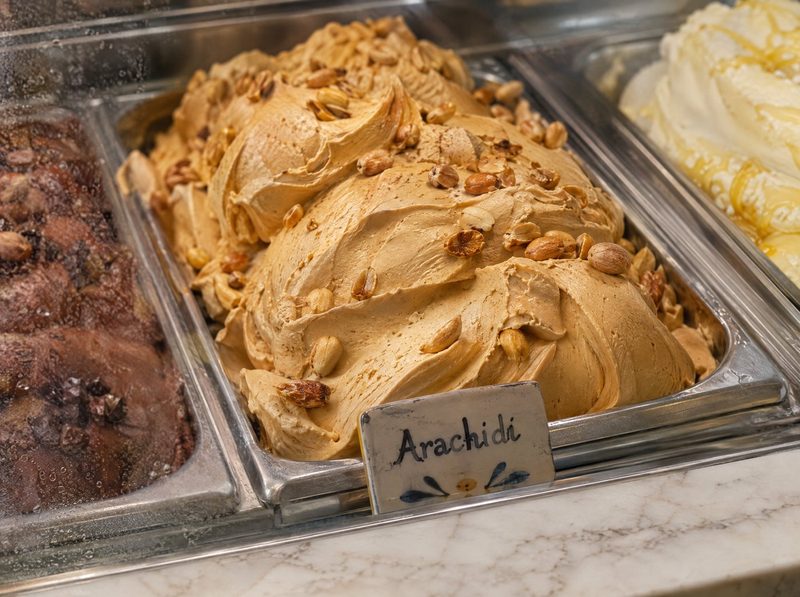 ClassicsArachidiRoasted Peanut
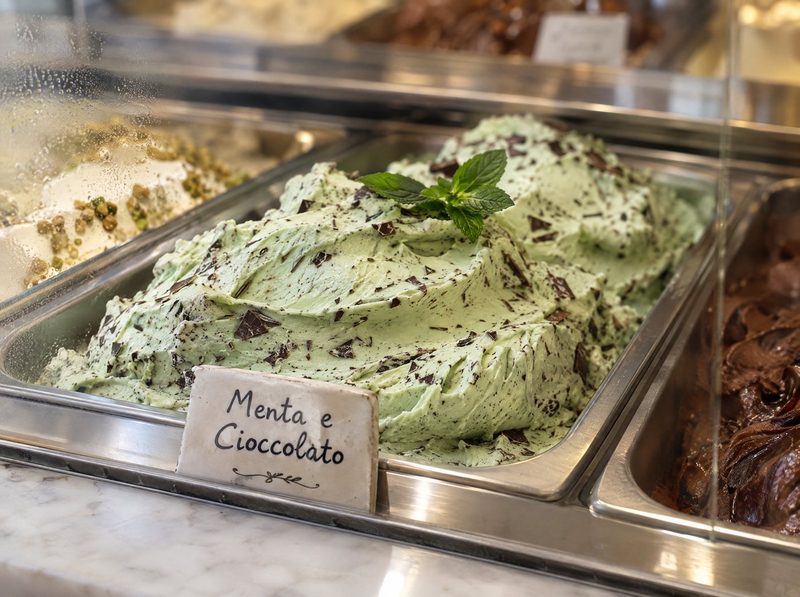 ClassicsMenta e CioccolatoFresh Mint and Chocolate
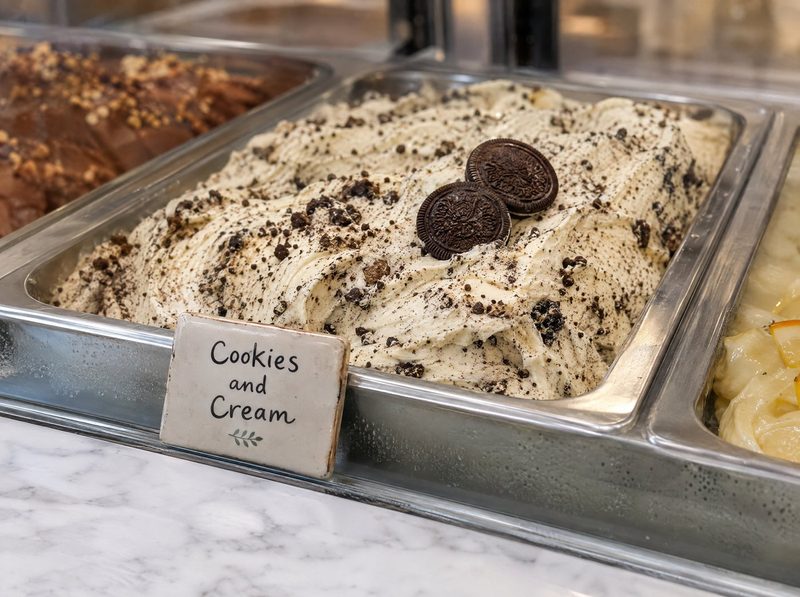 ClassicsCookies and CreamChocolate Biscuit
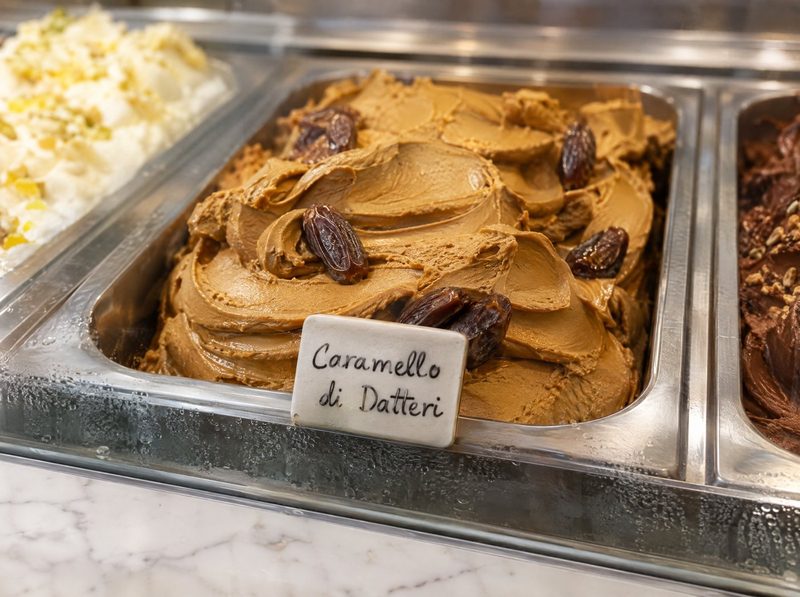 ClassicsCaramello di DatteriDate Caramel
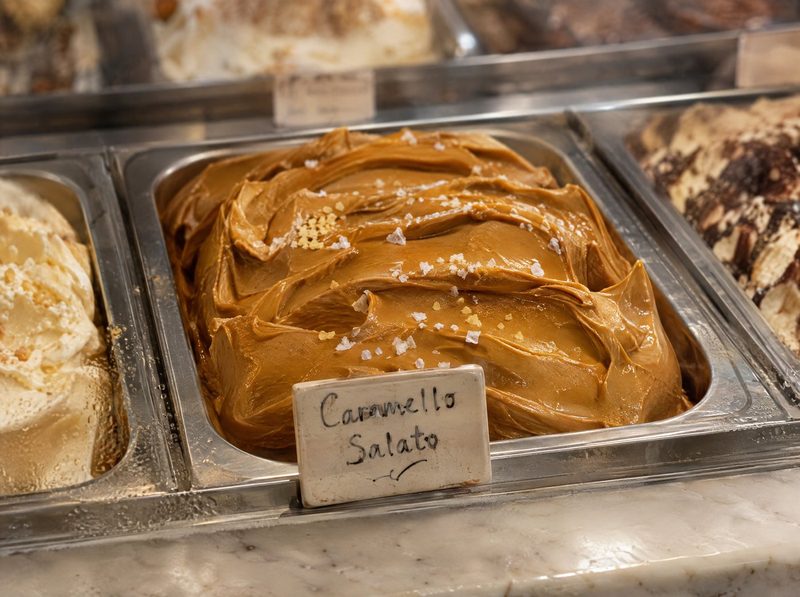 ClassicsCaramello SalatoSalted Coconut Sugar Caramel
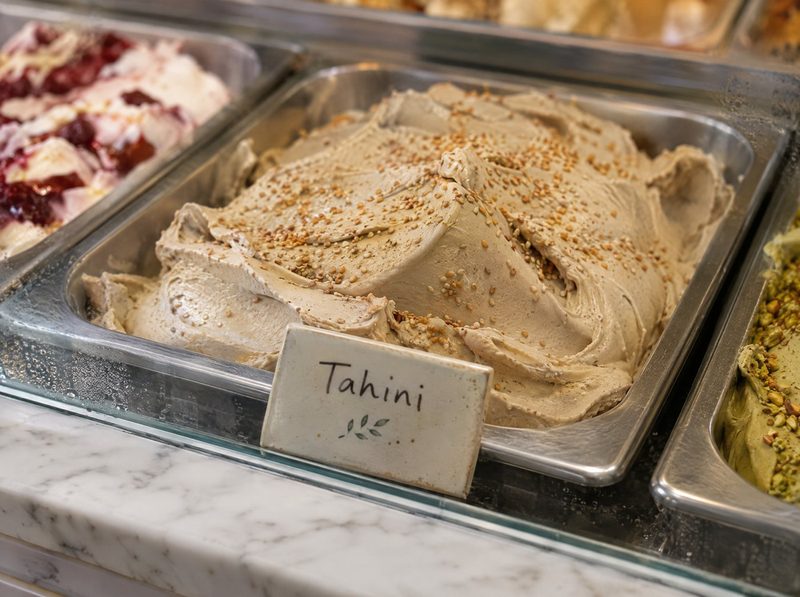 ClassicsTahiniToasted Sesame
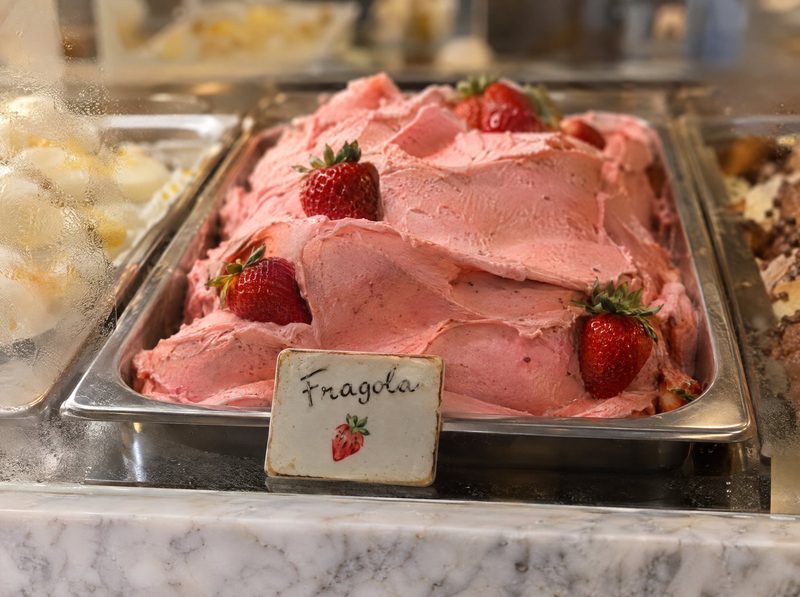 FruitFragolaStrawberry
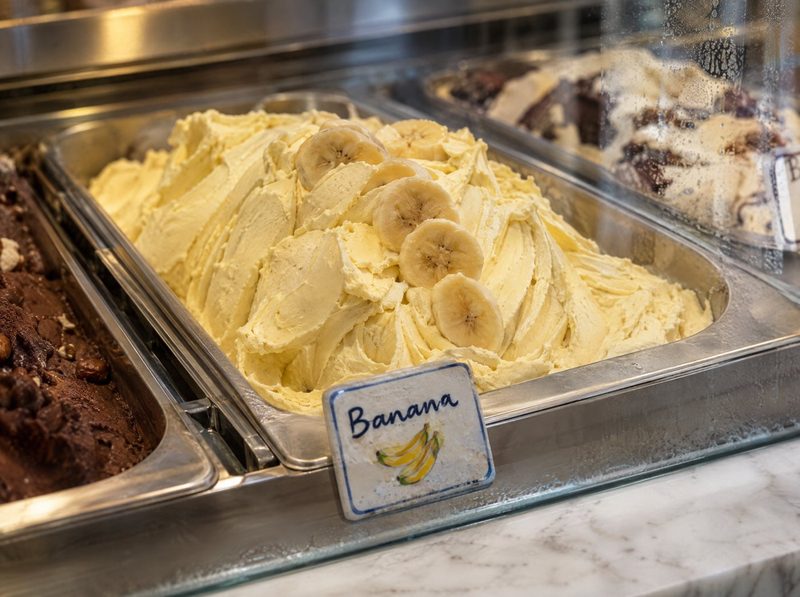 FruitBananaRipe Banana
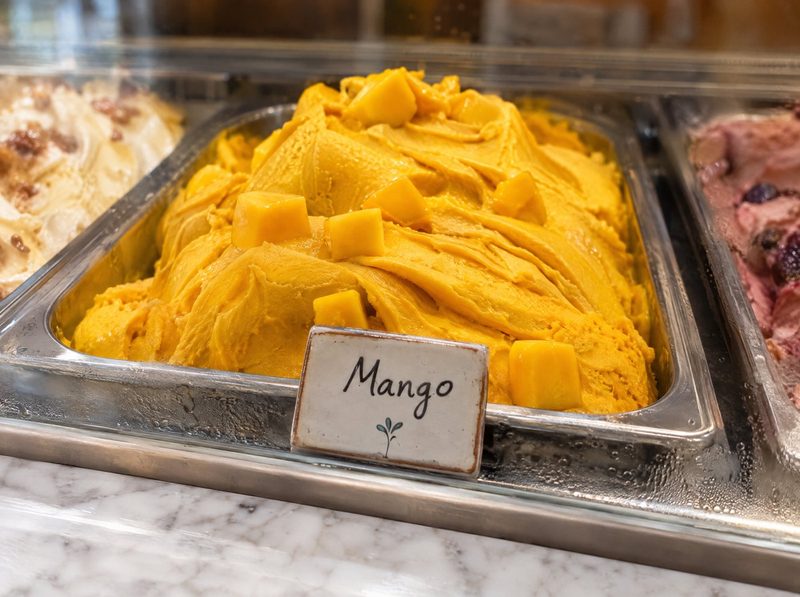 FruitMangoMango
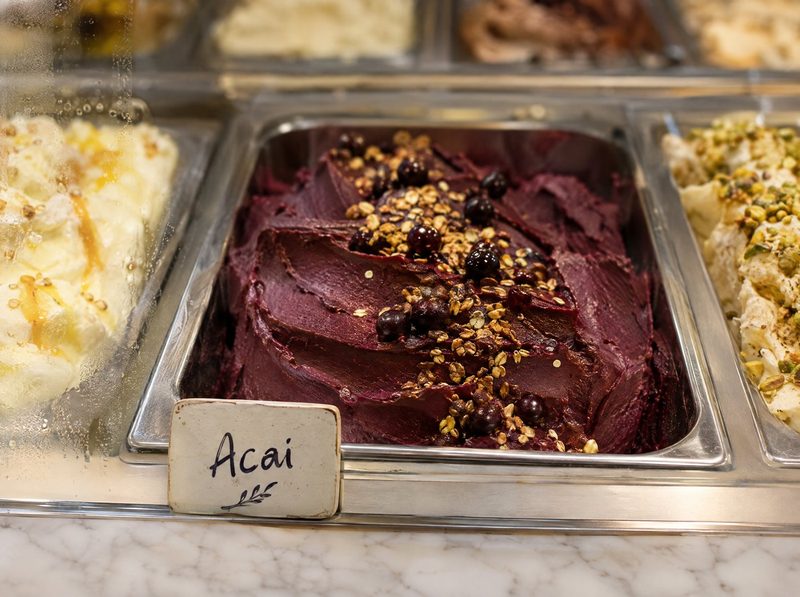 FruitAcaiAcai Pulp
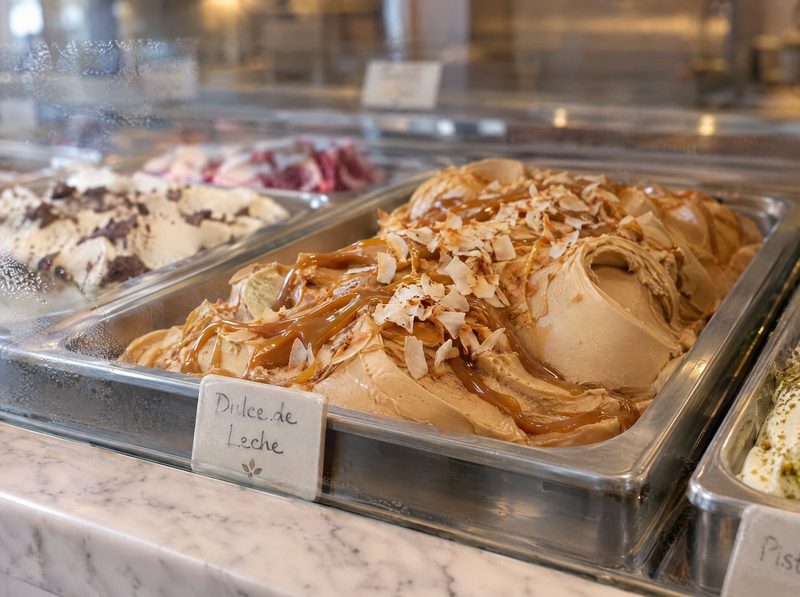 FruitDulce de Leche di CoccoCoconut Dulce de Leche
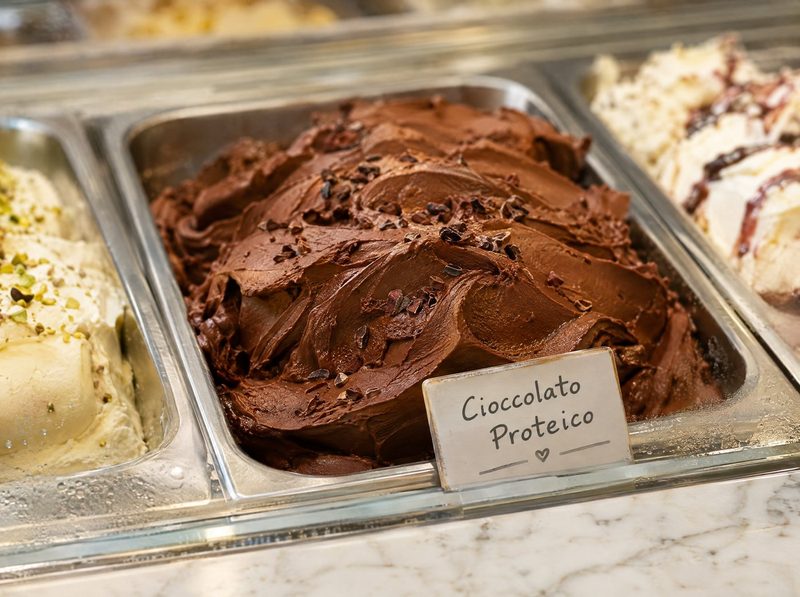 SpecialCioccolato ProteicoHigh-Protein Chocolate
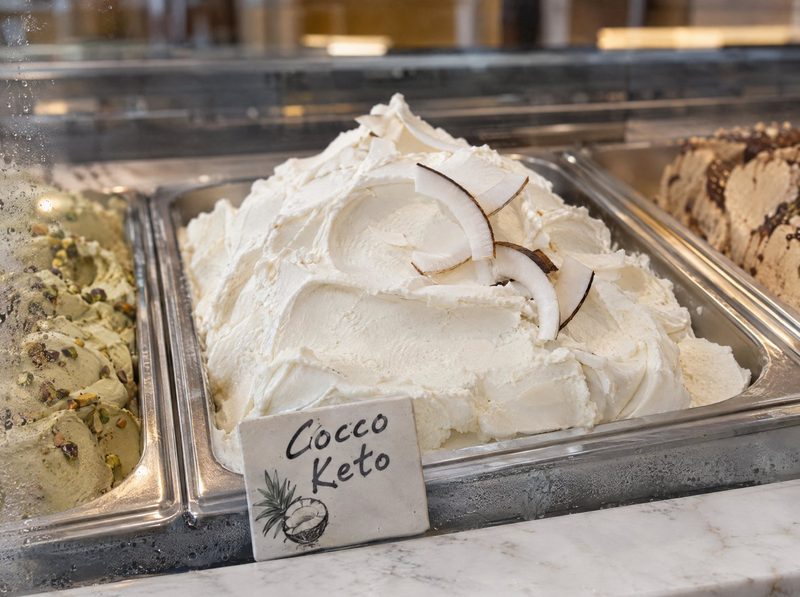 SpecialCocco KetoCoconut, No Added Sugar
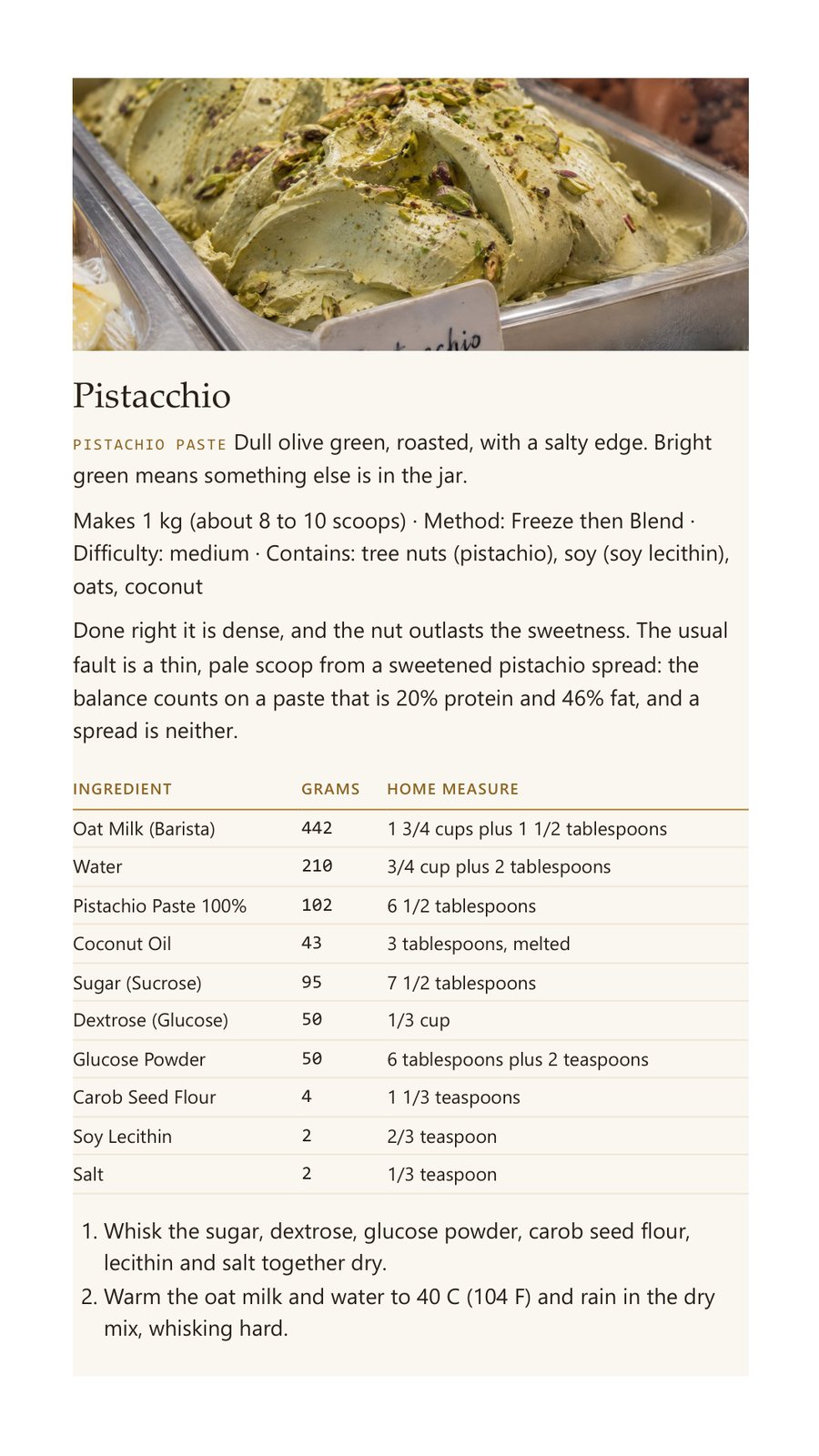
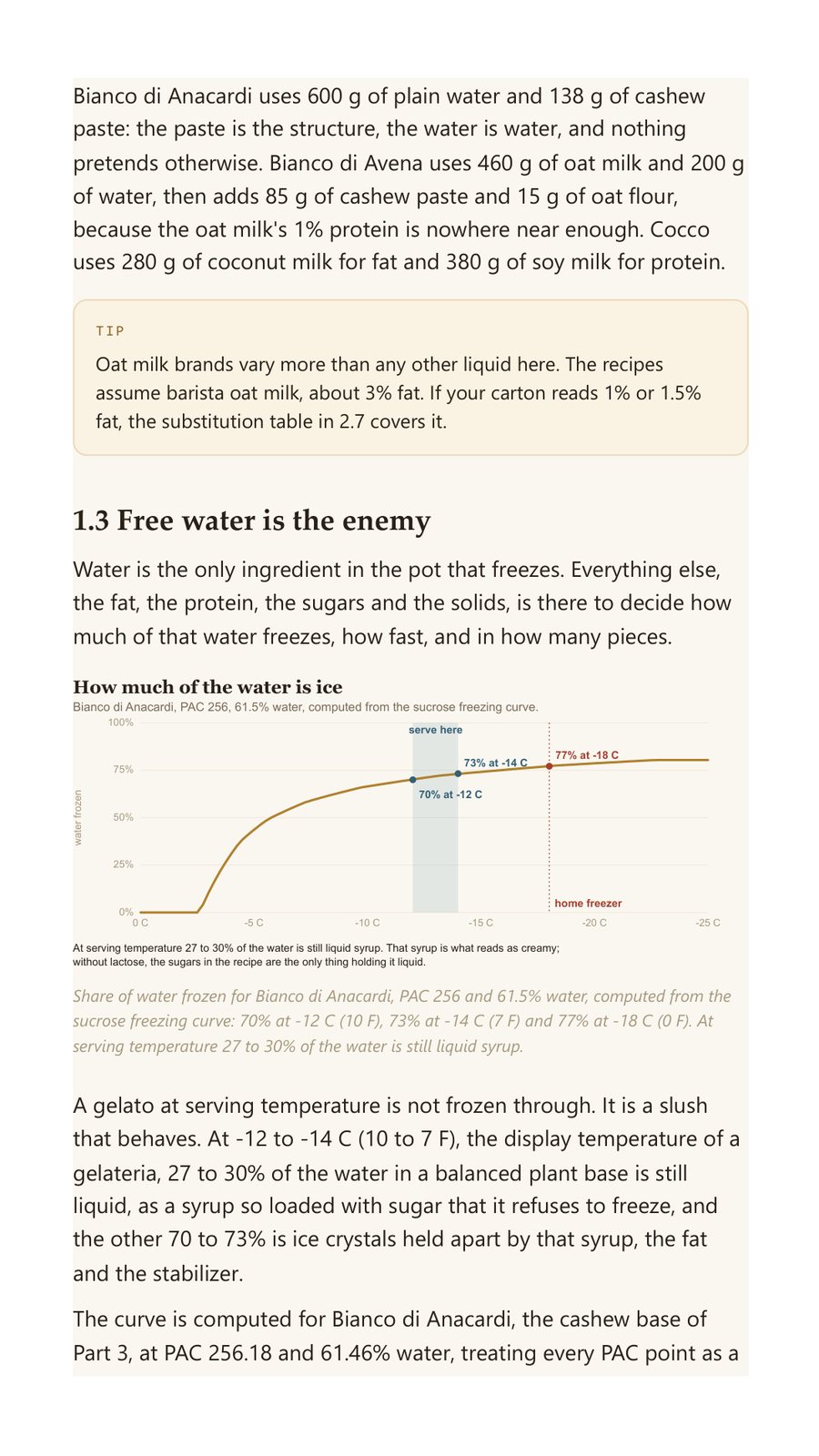
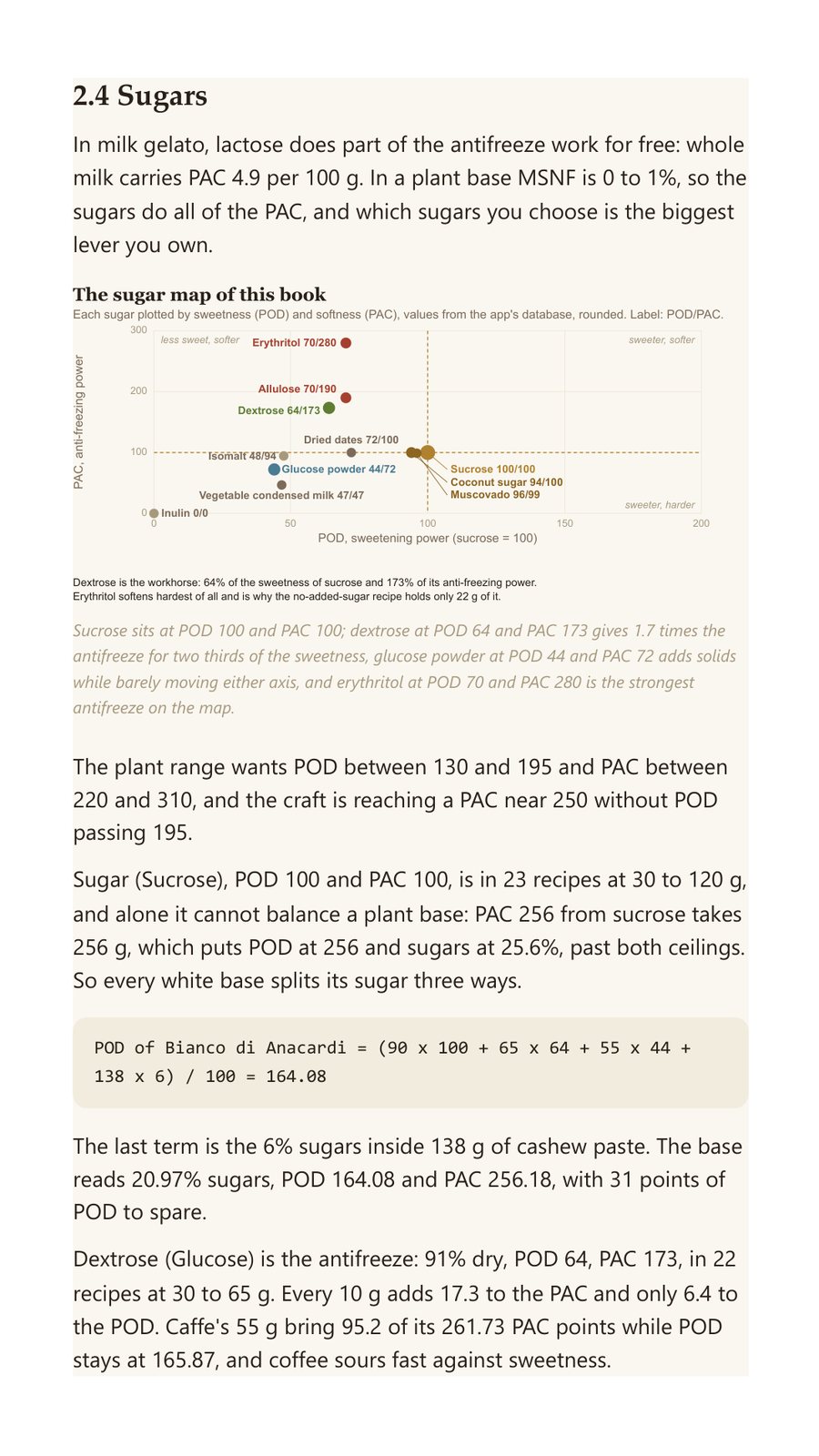
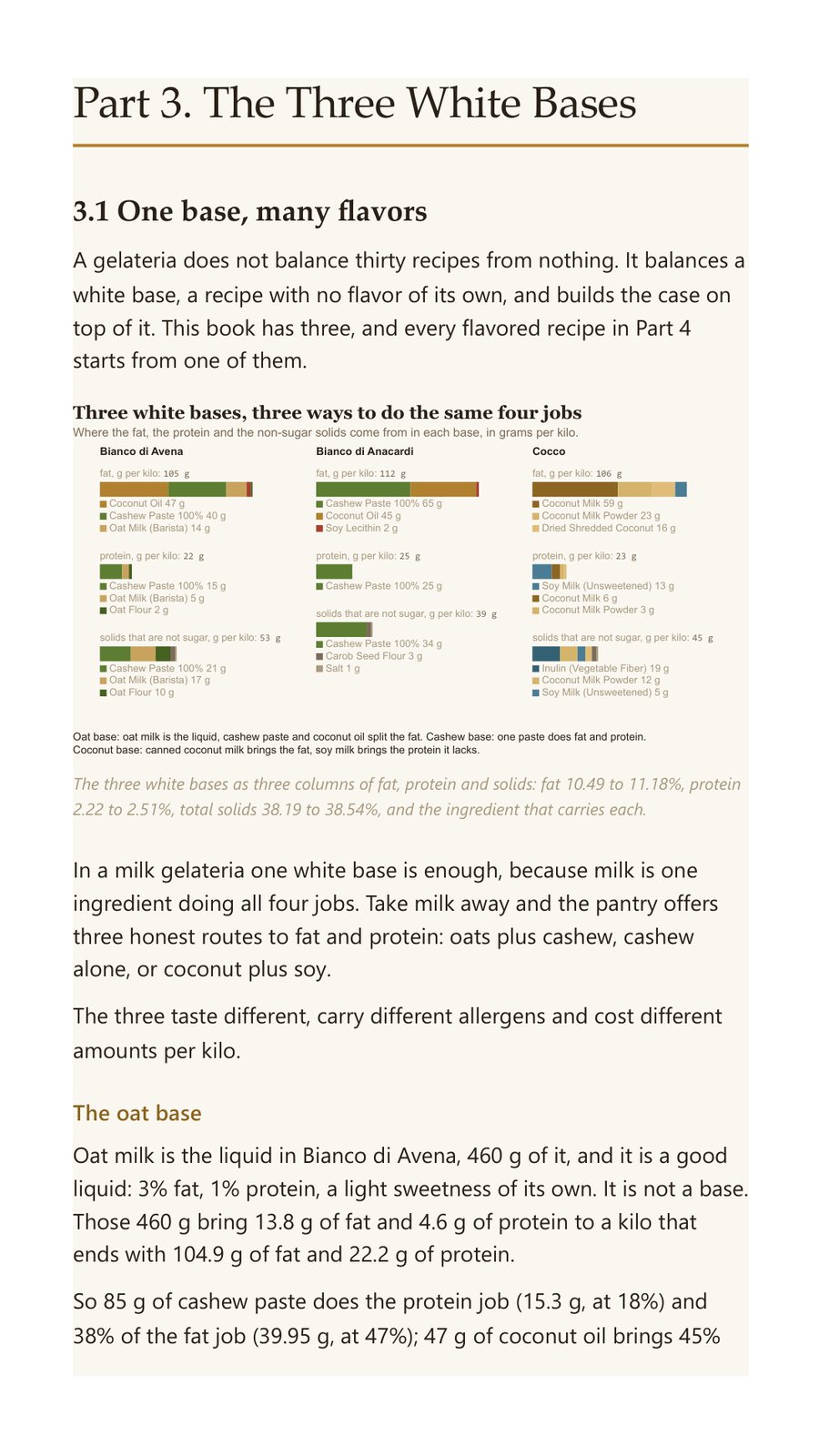
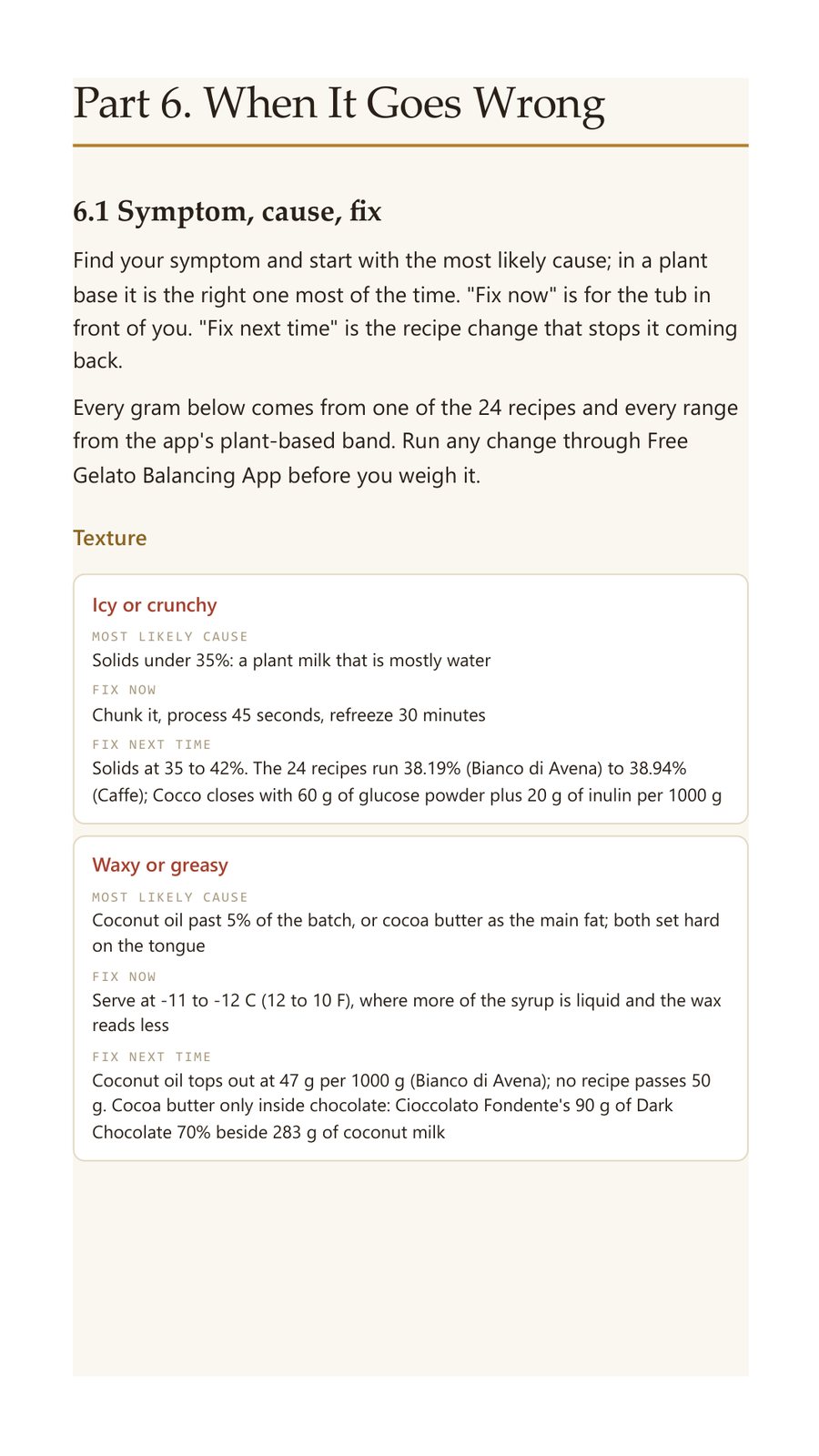
Every recipe had to hold eight numbers with no milk to lean on
Most vegan recipes are a milk recipe with the milk crossed out. These had to hold total solids, sugars, POD, PAC, fat, MSNF, water and protein inside the app's plant-based range at the same time: total solids 35 to 42%, sugars 17 to 24%, POD 130 to 195, PAC 220 to 310, fat 7 to 13%, MSNF 0 to 1%, water 58 to 65%, protein 1 to 3.5%.
All 24 were balanced in the same engine that sits on this site, free, against the same ingredient database. Not a spreadsheet built for the book. The 8 figures in the book are computed from that database too, from the water in each plant milk to the grams of each nut paste it takes to reach 2.5% protein.
The book stays in the middle of the range on purpose: across all 24 recipes total solids sit between 38 and 39%, inside a band that runs from 35 to 42. That leaves you room to change one ingredient, or to meet a carton of oat milk with 2% fat instead of 3, and still land inside.
Do not take our word for it. The same engine is open on this site, free. Type any recipe from the book into it and watch all eight numbers land inside the plant-based range, live, in the Free Gelato Balancing App
For the cook who wants vegan gelato that is not a compromise, and the gelateria that has to defend it
- You are vegan, or lactose intolerant, or you cook for someone who is, and you are tired of results that taste like a compromise.
- You have made plant-based ice cream before and it came out icy or waxy, and you suspect there is a real reason.
- You would rather understand which ingredient does which job than collect one more recipe that only works with one brand of oat milk.
- You run a small gelateria, want one honest plant-based line, and need numbers you can defend when a customer or a supplier asks.
The whole book
- The four jobs of milk and the plant ingredient that takes each one, with the dose and the reason
- 3 white bases, oat, cashew and coconut, and the one method that makes every base in the book
- 24 recipes, each balanced to 1 kg with its eight numbers, the plant-based range and an allergen line on the page
- The five no-machine methods from the first book, with the one that suits each recipe
- The allergen swap table: nut-free, soy-free, coconut-free and no added sugar, with what moves in the balance
- The technique chapter, 8 figures computed from the app's database and troubleshooting for 14 symptoms, so the 25th recipe can be yours
- A gelateria section: display life, scaling to 5 kg and a costing method per kilo
- The four editions, English, Italian, Spanish and Portuguese
- A compressor gelato machine
- $200 or more
- One class at a gelato school
- hundreds
- A scoop of vegan gelato at the gelateria, twice a week
- more than this in a month
- This book, once
- $19
The milk leaves the recipe. The texture stays.
Make a recipe within 30 days. If it is not what you expected, reply to your receipt and you get a full refund, and you keep the file either way. The risk is ours, not yours.
Secure checkout by Stripe. Card details never touch our servers.
Before you buy
Do I need a gelato machine?+
No. Every recipe carries a method label, and the five no-machine methods keep the names the first book gave them: Freeze and Stir, Freeze then Blend, Ice and Salt Bath, Whipped No-Churn and Countertop Machine. Freeze then Blend, a freezer plus a food processor, suits most plant bases best; the three white bases use Ice and Salt Bath and the fruit recipes use Freeze and Stir. The book recaps the methods and tells you which one to skip for a plant base. If you own a home churner or a Ninja Creami, it takes every base as written.
Which allergens are in the recipes, and can I swap them?+
Every recipe prints a Contains line: tree nuts by name, peanut, soy, sesame, oats, coconut, and wheat in the one recipe with biscuit. Nut pastes are the backbone of plant-based gelato, so most recipes contain cashew or another nut. The book has a one-page swap table for nut-free, soy-free, coconut-free and no added sugar that says what comes out, what goes in and which numbers move, and you run the new grams through the Free Gelato Balancing App before the first batch.
Can I make it without soy?+
Yes. Seven recipes are soy-free as written: Vaniglia, Mandorla, Arachidi, Caramello di Datteri, Fragola, Banana and Mango. In eleven more the only soy the recipe lists is 2 or 3 g of soy lecithin, which is optional wherever it appears: leave it out and blend 90 seconds instead of 60, or use sunflower lecithin at the same grams. The six that take their protein from soy milk have a swap in the table: barista oat milk plus cashew paste for the protein that leaves.
Can I make it without nuts?+
Five recipes carry no tree nut and no peanut: Cocco, Cioccolato Fondente, Tahini, Cioccolato Proteico and Cocco Keto. Tahini is sesame, which is its own allergen. The other four take their protein from soy milk and their fat from coconut, which some labels list as a tree nut. For the rest, the swap table replaces cashew paste with sunflower seed butter at the same grams, or moves the recipe onto the Cocco base, and tells you what changes in the balance.
Is there a recipe with no added sugar?+
One, Cocco Keto, and its honest label is no added sugar. It replaces sucrose, dextrose and glucose powder with a blend of IMO, allulose, erythritol and isomalt that rebuilds the PAC to about 254, so it scoops like the rest of the book. The swap table shows how to move the same blend onto another base. Every other recipe uses sugar on purpose: with no lactose the sugars carry all of the PAC, and cutting them is how a vegan gelato turns into a brick.
I already have the first book. What is different here?+
The first book, Gelateria-Grade Gelato at Home, teaches the balancing method and the five no-machine methods in full, with 24 recipes that are mostly milk gelati and sorbetti. This one is plant-based from the first page and starts where the milk leaves: the four jobs, the plant pantry, three white bases, 24 vegan recipes, allergen swaps and a gelateria section. It recaps the freezing methods and works on its own; the full lessons on the five methods are in the first book.
What if it is not what I expected?+
Make a recipe within 30 days. If it is not what you expected, reply to your receipt and you get a full refund, and you keep the file either way.
What format is it, and which languages?+
A PDF with no DRM. It opens on any phone, tablet or computer with no app and no account, and it prints on A4 and Letter. The layout is narrow and tall on purpose, so it reads on a phone propped against the counter. One purchase gives you the English, Italian, Spanish and Portuguese files at the same download link.
Stop crossing out the milk. Start reassigning its four jobs.
Three white bases, 24 balanced recipes and the arithmetic behind them. Read it tonight, make Bianco di Anacardi this weekend, and know exactly why it scooped.
PDF, instant download. Yours to keep.